




Shop Display Box
A shop display box lets you present small collections inside glass and polished wood just as Victorian and Edwardian merchants once did.
Shop Display Box
A shop display box gathers together tabletop cabinets, countertop cases, and specialised haberdashery or apothecary boxes built to showcase goods. These commercial containers hail from periods ranging from the mid-nineteenth century through the 1930s, including Victorian, Edwardian, and early twentieth-century interwar designs.
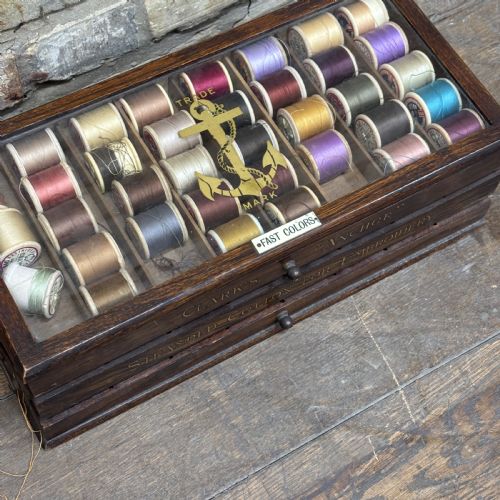
The pieces you find here served real trades, housing everything from sewing cottons and chocolates to pocket watches, tea, and stationery on merchant counters. Surviving examples bring that functional mercantile history straight into domestic rooms as tabletop display cases and desktop cabinets.
Materials and construction
Makers built these commercial cases using sturdy timbers like mahogany, oak, pine, and hardwood to withstand daily trade use. Glass panels formed the viewing lids and doors, allowing customers to inspect contents while keeping merchandise secure.
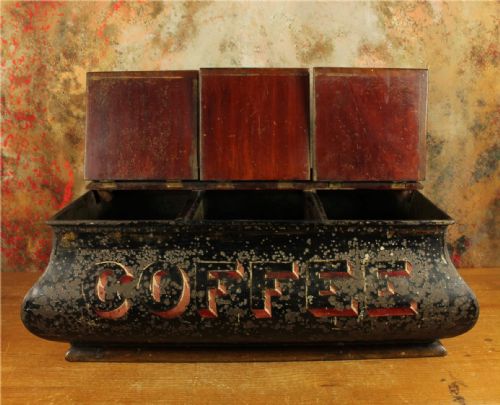
Brass hardware, Toleware painted metal, and paper detailing frequently completed the fixtures, alongside hand-applied sign-writing for brands such as Cadbury's, Fry's, and Rowntree's.
Shop Display Box Retail Price Guide 2026
Typical asking prices for shop display box among the pieces listed under this phrase on Sellingantiques today, from the lower quarter to the upper quarter. They describe what is for sale here now, not the wider market.
Current listings feature shop display boxes spanning from the 1850s to the 1930s, constructed in mahogany, oak, pine, and brass.
Assessing quality and character
Quality rests in the crispness of the original framing, the clarity of the glazed panels, and the survival of authentic maker branding or trade sign-writing. Simple pine boxes contrast with finely polished mahogany or brass-trimmed jewellery cabinets.
The integrity of original hinges, glass, and interior linings marks the distinction between a well-preserved survivor and a heavily altered utility box.
Manoah Rhodes & Sons Ltd·Chadwick’s Sewing Cottons·Rowntree’s Chocolates·Fry’s·Ermen & Roby·Cadbury's·Venus Pencil
The Shop Display Box Glossary
- Haberdashery cabinet
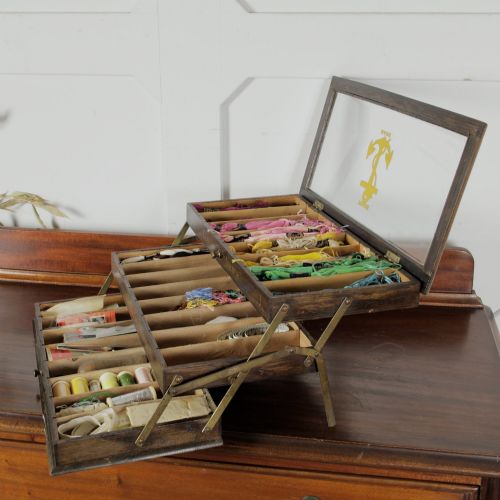
- A compartmentalised countertop unit originally designed to sort sewing cottons, buttons, and ribbons for retail customers. These multi-drawer or glazed cases now suit small collections.
- Countertop display cabinet
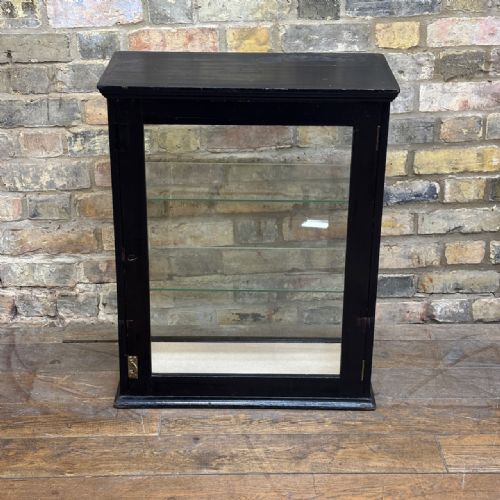
- A glazed shop case intended to sit upon a merchant's sales counter for direct customer viewing. They often feature rear access doors for the shopkeeper.
- Apothecary box
- A specialist storage container built to hold medicinal bottles, powders, or watchmaker components securely. They utilise tight compartments and fitted wooden lids.
Shop Display Box: Frequently Asked Questions
What were shop display boxes used for?
Merchants used these glazed cases and countertop boxes to showcase confectionery, sewing threads, tea, and writing materials directly to customers. The transparent glass protected delicate goods from handling while keeping them clearly visible on the shop counter.
Over time, these commercial containers adapted to myriad trades, from watchmaking to apothecary dispensaries. Today, they serve a similar purpose in homes by framing small collectibles behind glass.
How do I date a countertop display case?
Dating relies on timber choices, brass hardware styles, and the specific lettering style of any trade sign-writing present on the glass or wood. Victorian examples often favour mahogany and simple brass knobs, while 1920s and 1930s interwar versions introduce branded chocolate and pencil displays.
Construction methods also provide clues, as machine-sawn timbers and specific screw types evolved significantly between the mid-nineteenth century and the 1930s. Comparing the framing details to dated trade catalogues confirms the era.
Can I use a display box for jewellery?
Many countertop boxes and haberdashery drawers suit modern jewellery storage exceptionally well. Glass-topped cases and velvet-lined compartments allow you to organise rings, brooches, and watches securely.
Vintage apothecary boxes and small desktop cabinets offer similar compartmentalisation for precious items. Ensure the interior surfaces are clean and stable before placing delicate pieces inside.
How should I clean a wooden display case?
Maintenance requires gentle dusting with a soft, dry cloth to protect aged wood surfaces and delicate sign-writing. Avoid harsh chemical polishes that can degrade nineteenth-century polishes or lift paper labels.
Glass panels can be cleaned with standard window solution applied to a cloth rather than sprayed directly onto the wood. This preserves both the timber framing and any fragile trade markings.