



Shirvan Oriental Carpet
A shirvan oriental carpet delivers the geometric discipline and rich symbolic vocabulary of the Eastern Caucasus straight to your floor.
Shirvan Oriental Carpet
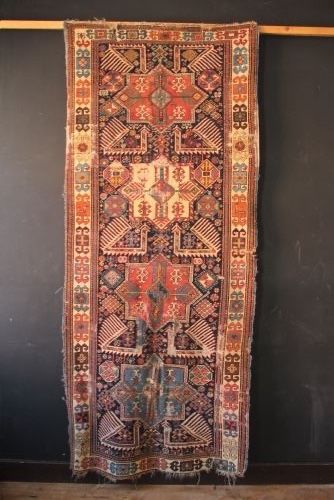
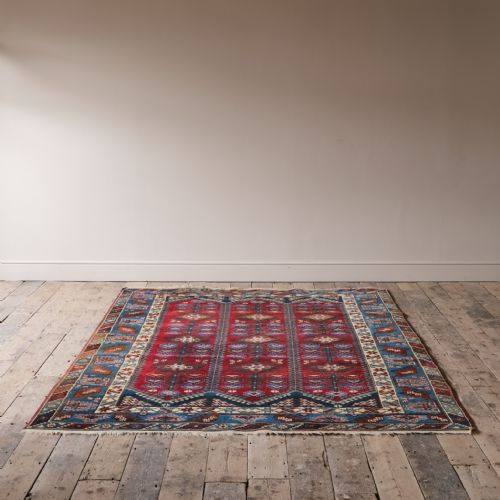
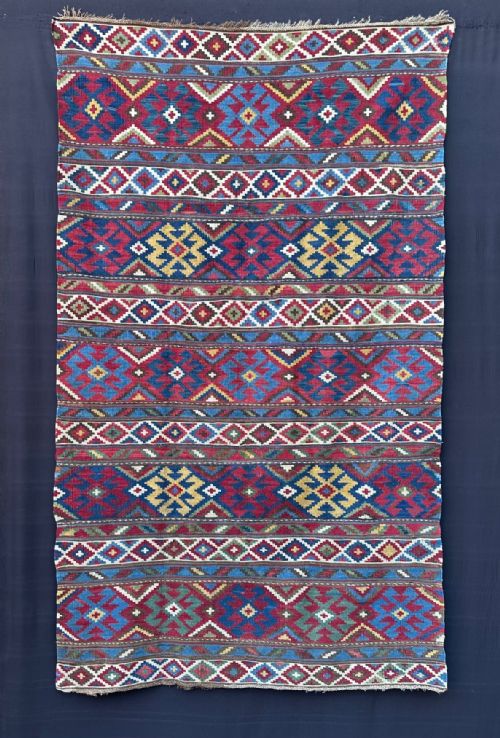
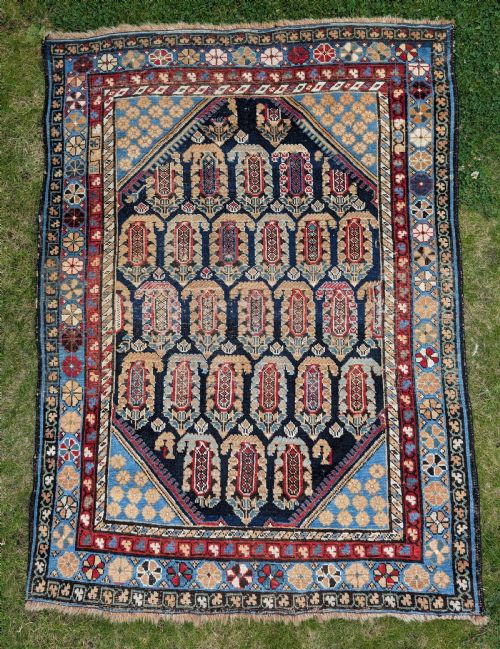
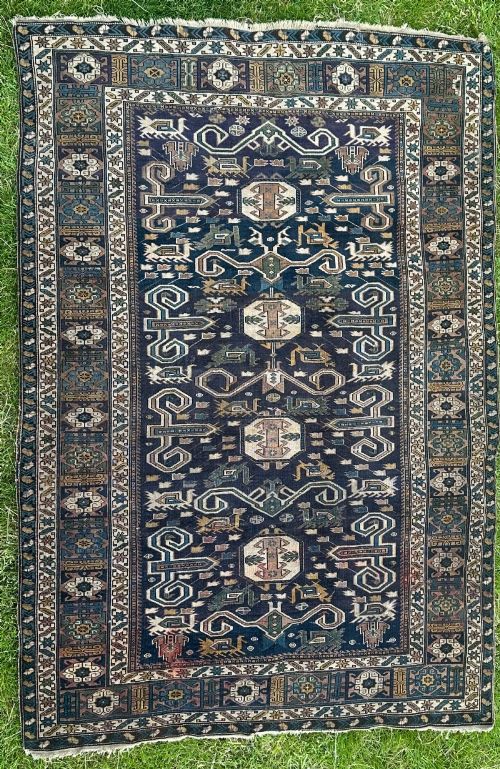
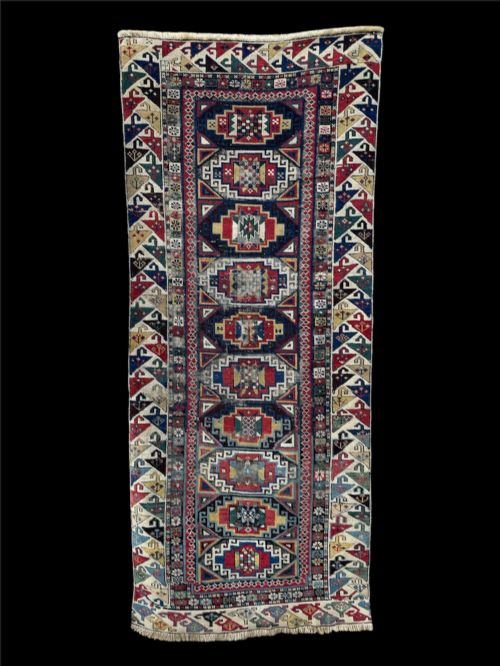
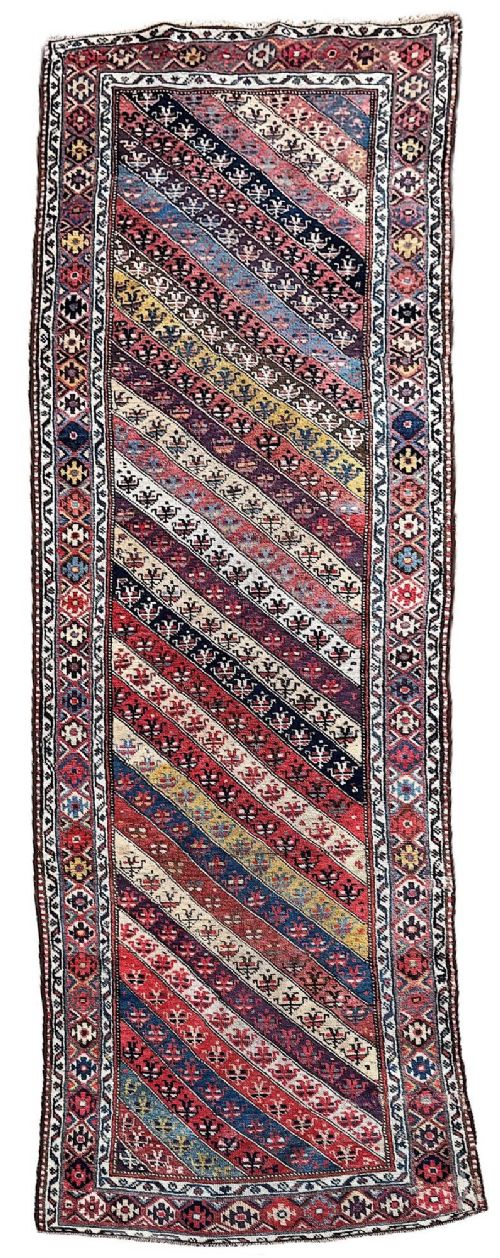
When you search for a shirvan oriental carpet, you enter the distinct visual world of Caucasian weaving traditions from the nineteenth and early twentieth centuries. These pieces encompass various formats, from compact prayer rugs and long runners to flat-woven kilims originating from the Shirvan region and surrounding Eastern Caucasian districts. Most examples you will encounter date from the late nineteenth century to around 1930, displaying characteristic tribal and traditional motifs.
The aesthetic leans heavily into structured geometric layouts, tribal medallions, floral lattices, and repeating borders such as the Kufic style. You will find both ivory and coloured grounds populated by characteristic motifs like flaming boteh, Lesghi stars, and stylised birds. Whether configured as a small scatter rug or a room-sized carpet, each item reflects the distinct design language of its Caucasian origin.
Materials and construction
Weavers constructed these carpets using wool, frequently hand-spun and combined with cotton foundations depending on the specific tribal workshop or village. The reliance on natural dyes yielded a palette that softens gracefully over time, producing muted tones and stable secondary shades.
Techniques varied between piled formats tied securely on upright looms and flat-woven kilim structures without pile. The combination of durable hand-spun wool and plant-based colourants allowed these textiles to endure generations of foot traffic while maintaining structural integrity.
Shirvan Oriental Carpet Retail Price Guide 2026
Typical asking prices for shirvan oriental carpet among the pieces listed under this phrase on Sellingantiques today, from the lower quarter to the upper quarter. They describe what is for sale here now, not the wider market.
Current listings feature pieces spanning the decades from 1850 to 1930, utilising wool, hand-spun wool, and cotton.
What separates examples
Quality in these carpets rests on the precision of the knotting, the crispness of the geometric drawing, and the depth achieved through natural dyes. Finer pieces demonstrate tight, even foundations that allow intricate motifs like floral lattices or bird borders to remain sharp and legible.
Condition also plays a significant role in distinction, separating intact surfaces from fragments or heavily worn runners. Examples retaining full pile and clear, original colour distribution command greater appreciation than those dulled by excessive wear or poorly executed past restorations.
The Shirvan Oriental Carpet Glossary
- Boteh
- A stylised teardrop or almond-shaped motif representing a floral shoot or cypress tree. This symbol appears frequently in varied forms across Caucasian weaving.
- Kilim
- A flat-woven textile produced without a pile. These pieces rely on interlocking weft threads to create sharp geometric patterns.
- Prayer rug
- A small format rug featuring a mihrab or architectural arch design at one end. Historically used to designate a clean space for individual prayer.
- Runner
- A long, narrow carpet format designed for hallways or corridors. These pieces adapt traditional repeating border designs to linear dimensions.
- Natural dye
- Colourants derived from plant, insect, or mineral sources rather than synthetic chemicals. They age by mellowing into harmonious, soft tones.
Shirvan Oriental Carpet: Frequently Asked Questions
How do I clean an old carpet?
Surface dust should be removed gently using regular low-suction vacuuming without a rotating beater bar.
Professional specialist cleaning remains essential for deep washing to protect the natural wool and traditional dyes.
Where were these rugs made?
Production centred on the Shirvan region and broader Eastern Caucasus territories during the nineteenth and early twentieth centuries.
Local workshops and nomadic weavers utilised regional motifs that distinguished their work from Persian or Anatolian traditions.
Are these rugs durable enough?
The dense hand-spun wool construction provides robust natural resistance against normal household wear.
Placing an appropriate underlay beneath the carpet prevents slippage and reduces friction against hard flooring.
How do I date a piece?
Dating relies on assessing the structural materials, the chemical nature of the dyes, and stylistic design markers.
Earlier nineteenth-century examples typically show softer palettes and finer wool preparations compared to later twentieth-century iterations.