

Sheraton Style Seating
Sheraton style seating brings refined classical geometry to domestic rooms, offering the light proportions and elegant woodwork favoured in late eighteenth and early nineteenth-century interiors.
Sheraton Style Seating
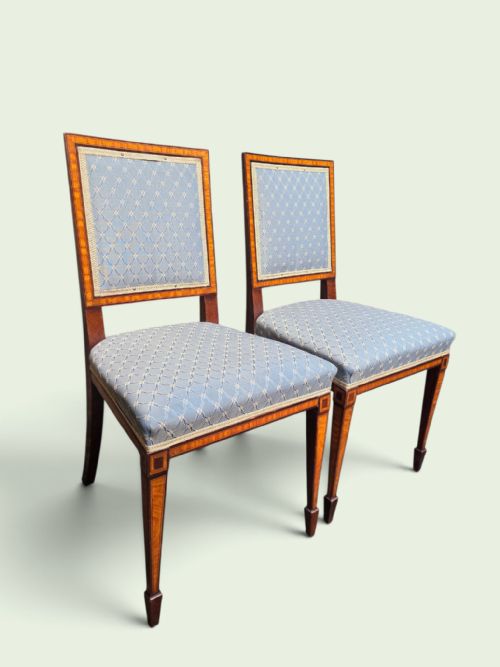
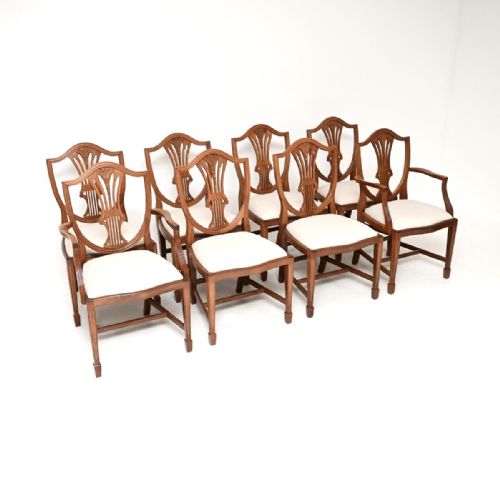
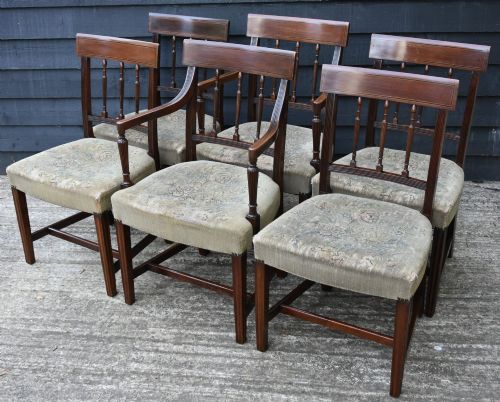
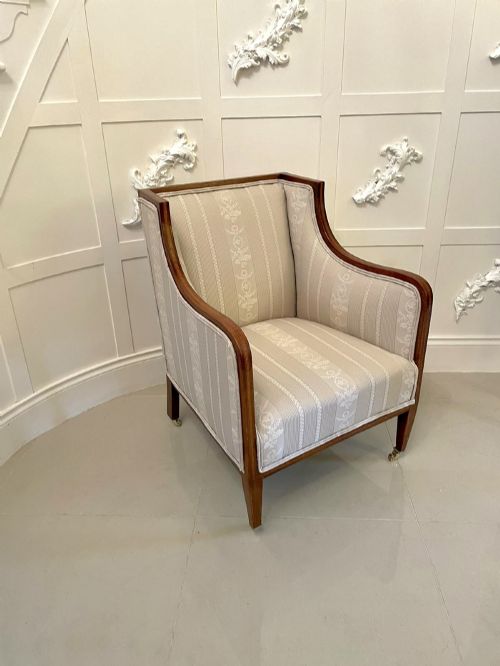
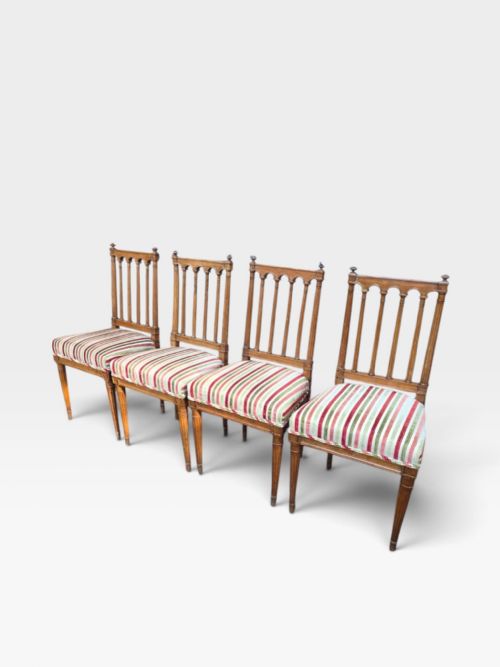
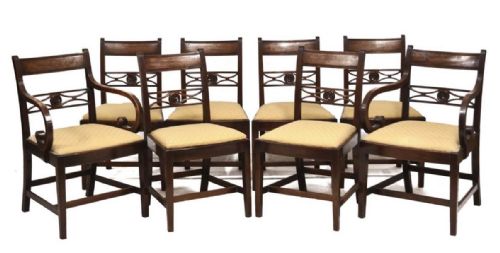
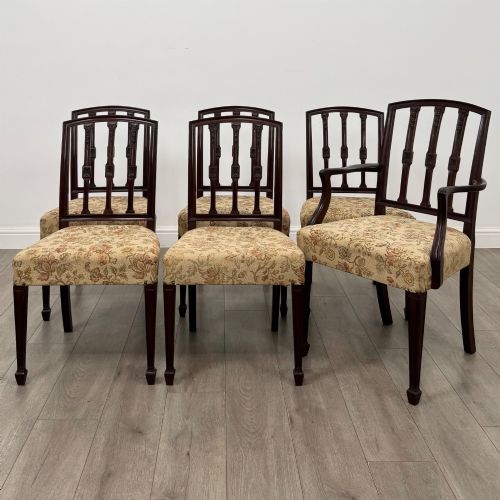
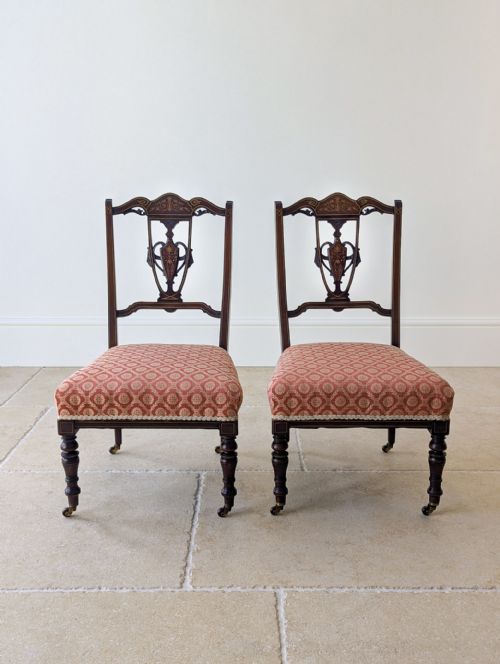
When you search for sheraton style seating, you encounter a range of forms designed for dining, drawing rooms and libraries, spanning genuine late eighteenth-century pieces and later Edwardian revivals. The most common examples on this page are dining chairs in sets, alongside occasional armchairs and compact settees.
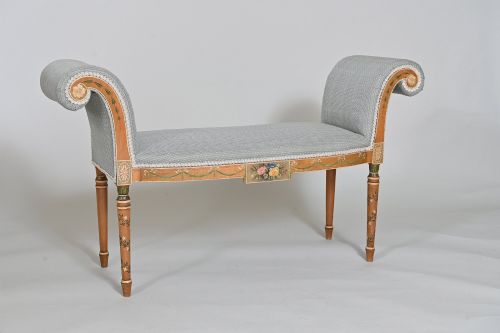
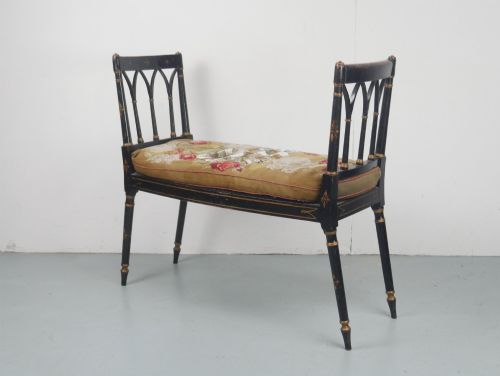
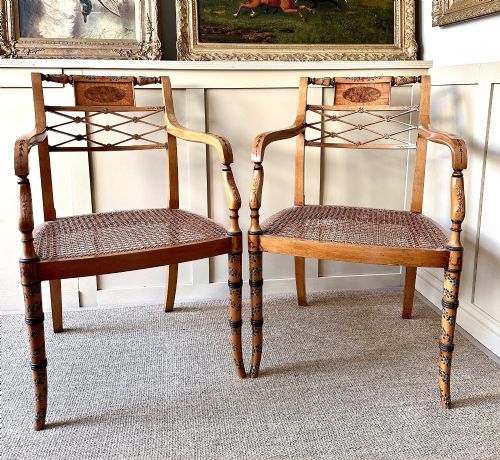
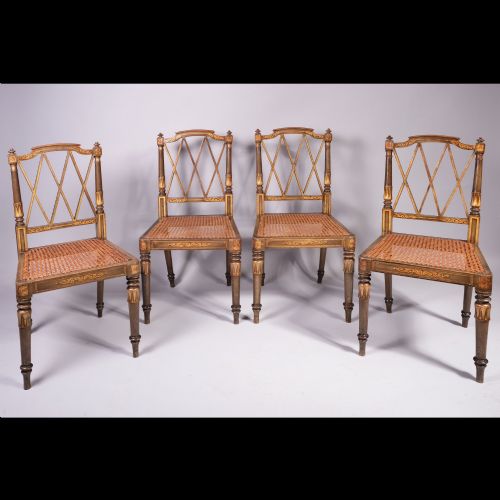
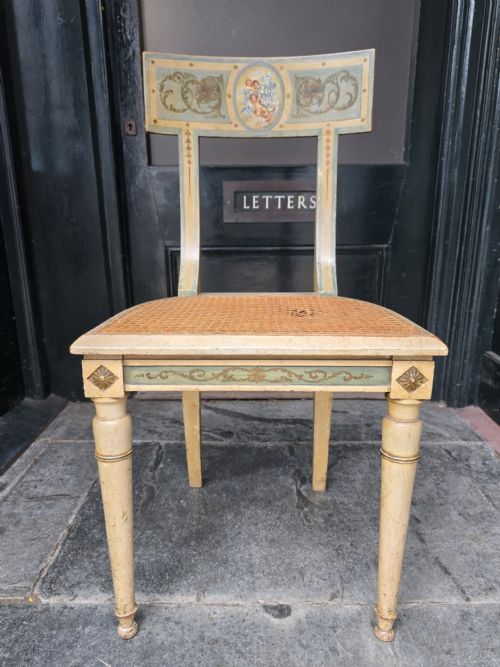
The selection extends from formal George III mahogany dining chairs to painted satinwood elbow chairs and caned window seats. These pieces range from authentic eighteenth-century examples to early twentieth-century revivals created with the same classical vocabulary.
Materials and construction
Cabinetmakers built these chairs and settees primarily using solid mahogany and satinwood, often embellishing the frames with delicate marquetry in contrasting timbers. Woodwork was shaped into straight tapered legs, shield backs and oval or rectangular frames.
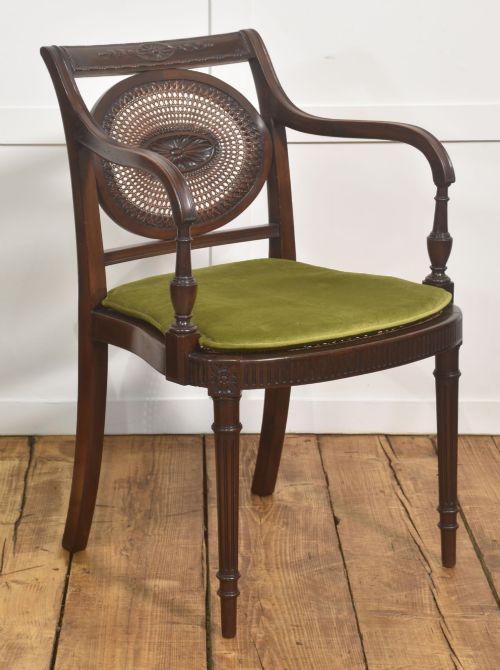
Many pieces incorporate woven cane for seats and panels, alongside upholstered squabs in velvet and various fabrics. Painted finishes appear frequently, especially on satinwood salon pieces and window seats.
Sheraton Style Seating Retail Price Guide 2026
Typical asking prices for sheraton style seating among the pieces listed under this phrase on Sellingantiques today, from the lower quarter to the upper quarter. They describe what is for sale here now, not the wider market.
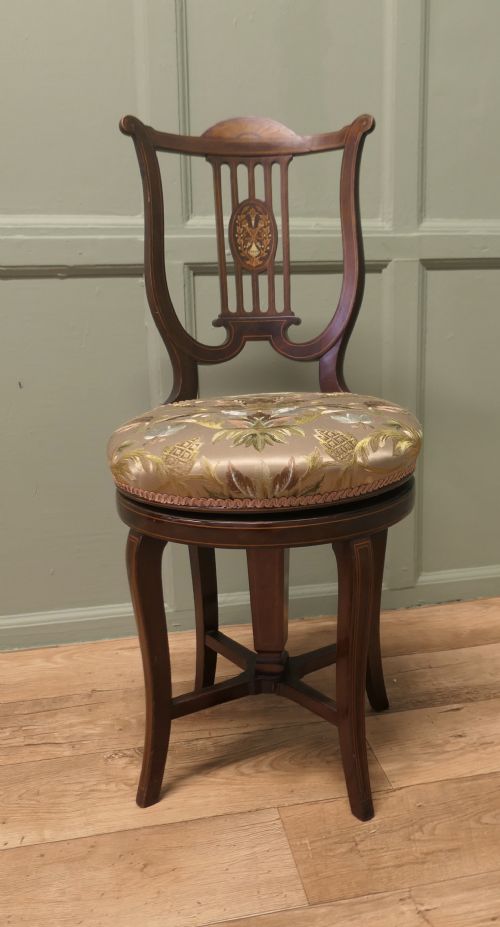
Revolving music chairs let nineteenth-century pianists and harpists spin gracefully between movements.
Judging the work
The distinction between standard commercial seating and finer productions lies in the crispness of the joinery and the precision of the inlay. Better examples show meticulous attention to the grain and proportion of the timber, particularly where veneers meet.
Execution of painted decoration and the tightness of the canework also separate everyday pieces from superior items. Original surface patina and structural integrity determine the standing of each individual chair or settee.
Brights of Nettlebed
The Sheraton Style Seating Glossary
- Carver
- An armchair designed to match a set of single dining chairs, typically positioned at the head of a table.
- Settee
- A small upholstered sofa with arms and a back, designed for two or more people.
- Satinwood
- A lustrous yellow-brown timber used extensively for fine furniture inlay and painted drawing room pieces.
- Canework
- Woven rattan cane used to form light, resilient seats and back panels.
- Shield back
- A chair back shaped like a classical shield, popular in late eighteenth-century dining chair design.
Sheraton Style Seating: Frequently Asked Questions
What is a Sheraton style chair?
A Sheraton style chair is a light, classical seating form inspired by the designs of Thomas Sheraton and the late eighteenth-century neoclassical movement. These pieces feature straight tapered legs, geometric backrests and refined inlay.
They bridge the gap between structural strength and visual lightness, making them enduringly popular for traditional and eclectic interiors alike.
How do I spot an Edwardian revival piece?
Edwardian revival pieces, often produced around 1900 to 1910, replicate eighteenth-century forms using slightly different machinery methods and internal timber preparation. They combine older stylistic cues with the manufacturing standards of the early twentieth century.
Examining the underside, secondary woods and wear patterns helps distinguish these later interpretations from genuine Georgian originals.
Can I use these chairs for everyday dining?
Most antique dining chairs remain structurally sound for daily use if joints are secure and the underframe is stable. Regular inspection of glued joints prevents loosening over time.
Care should be taken with delicate satinwood or painted surfaces, but solid mahogany sets are built to withstand regular domestic gatherings.
What is the difference between a single chair and a carver?
A single chair has no arms and was made to fit easily around a dining table perimeter. A carver is the matching armchair intended for the host.
Traditional dining sets paired several singles with one or two carvers to create a balanced arrangement.