

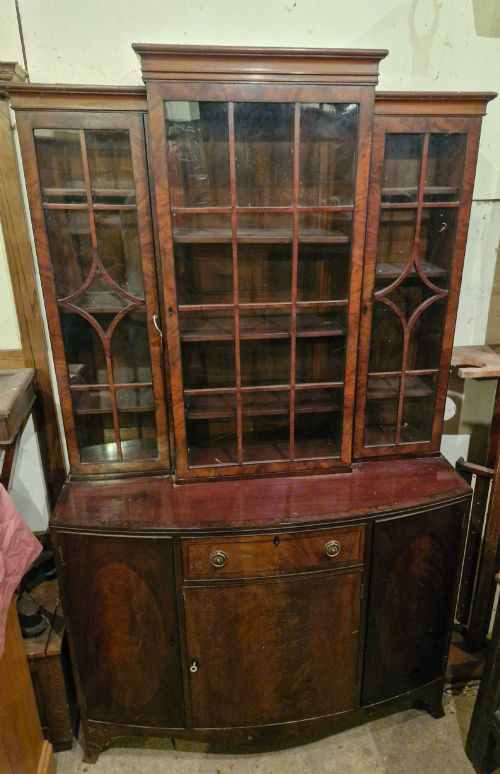
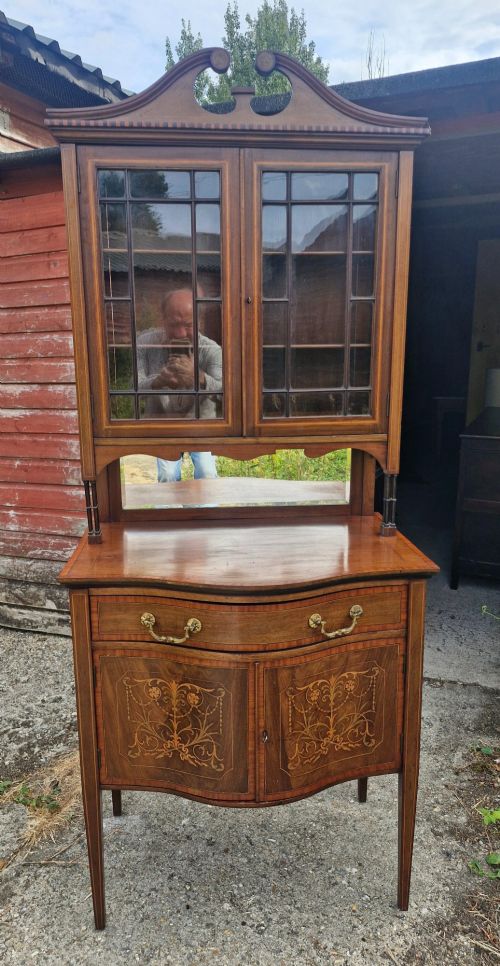
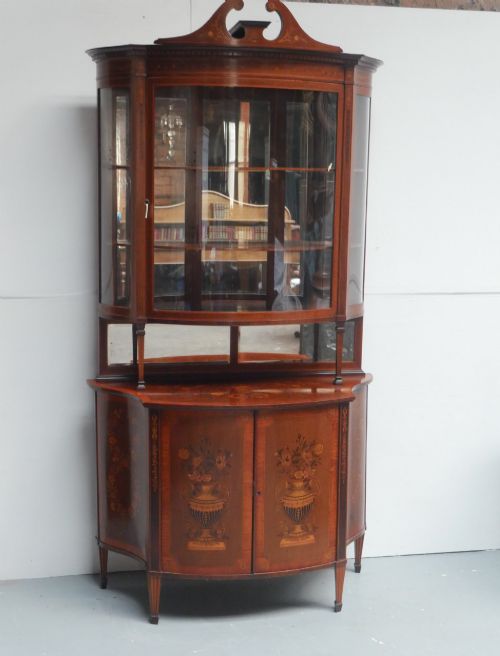
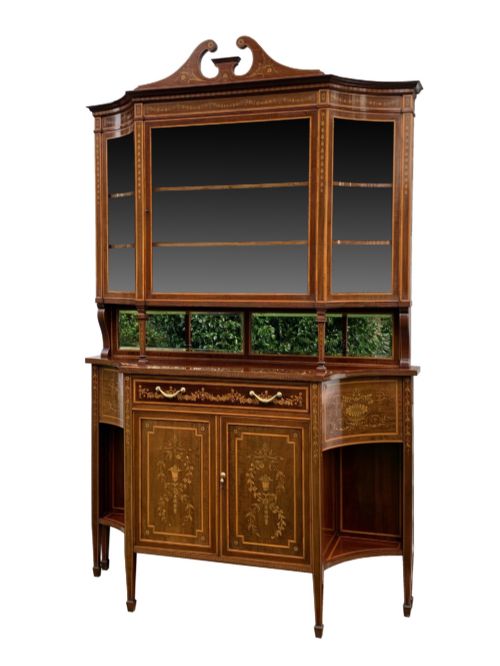
Sheraton Mahogany Bookcase
When you search for a sheraton mahogany bookcase, you are looking at refined timber housing designed to display volumes and treasures with architectural poise.
Sheraton Mahogany Bookcase
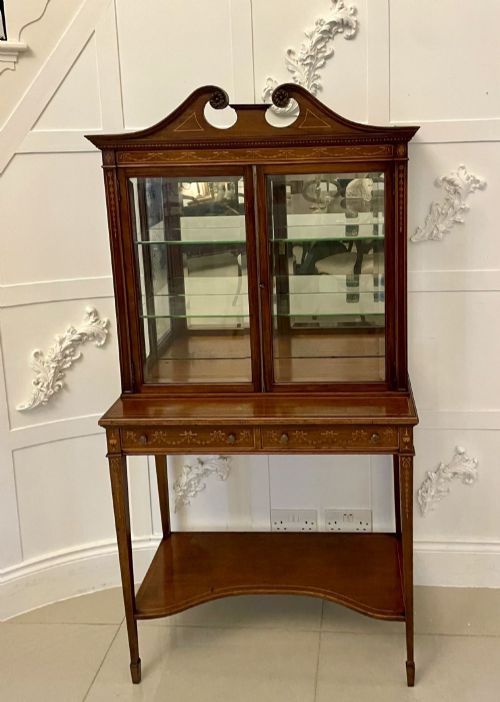
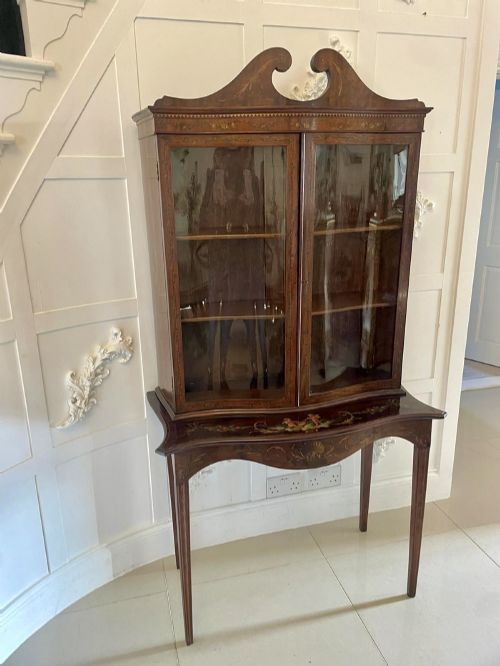
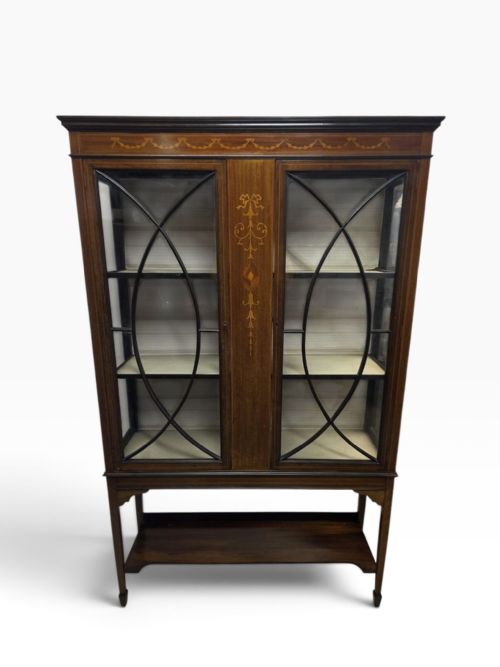
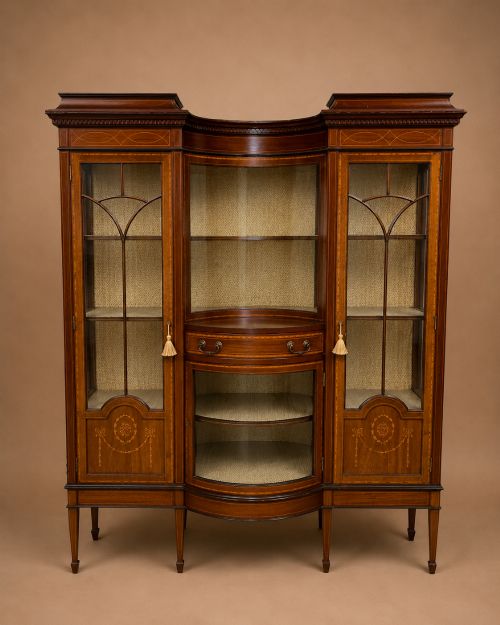
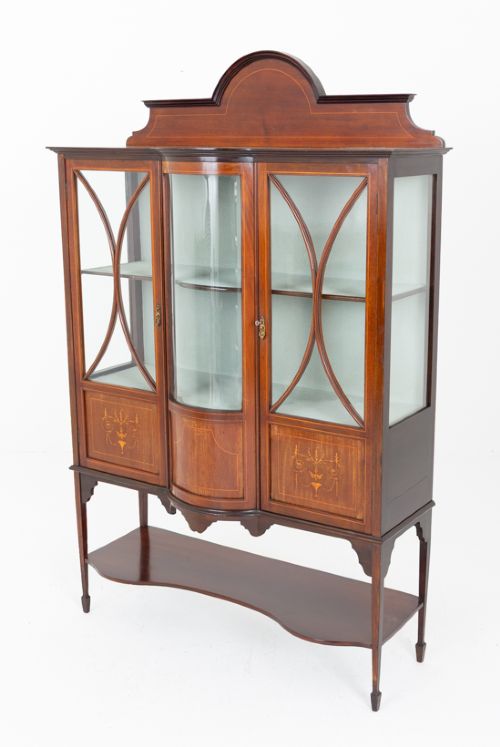
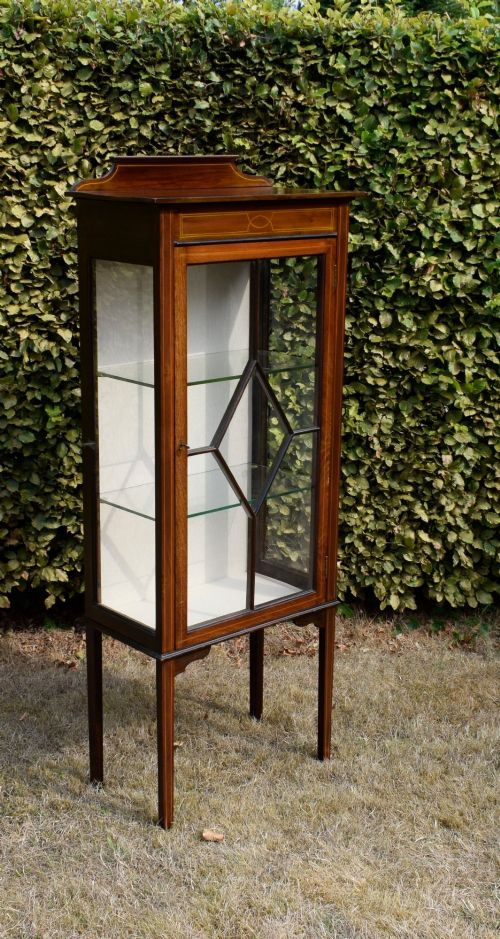
A sheraton mahogany bookcase brings together formal Georgian proportion and the lighter, decorative revivals of the Victorian and Edwardian eras. These pieces range from open library shelving and revolving table units to tall glazed display cabinets and secretaire desks fitted with writing drawers.
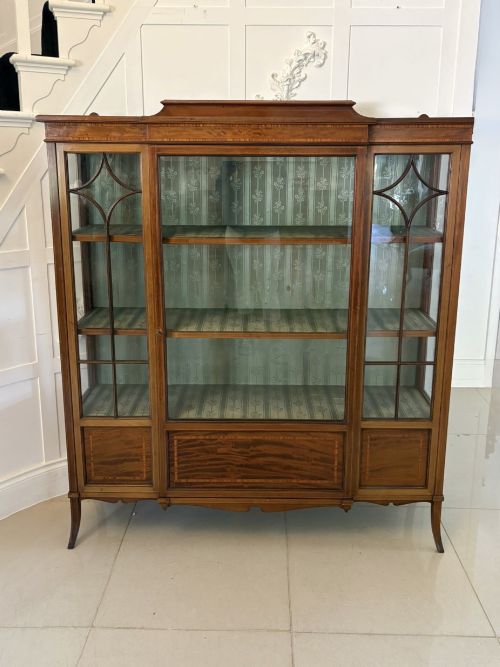
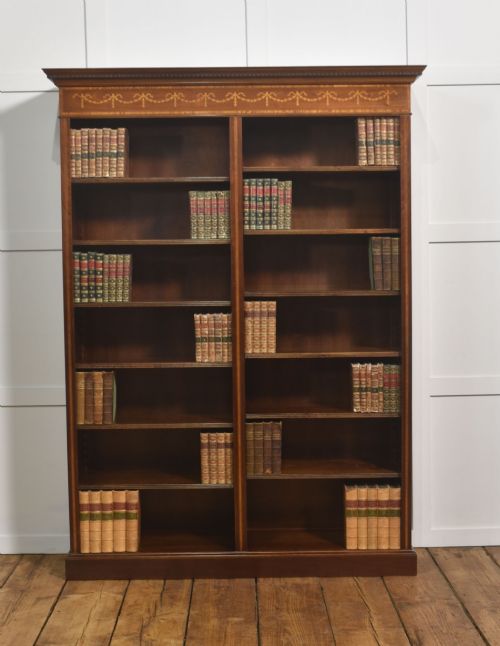
The Edwardian and late Victorian periods supply the largest share of surviving examples on this page, often built in the Sheraton Revival style alongside genuine 18th-century pieces. Makers utilised mahogany as the primary timber, frequently embellished with contrasting veneers and stringing.
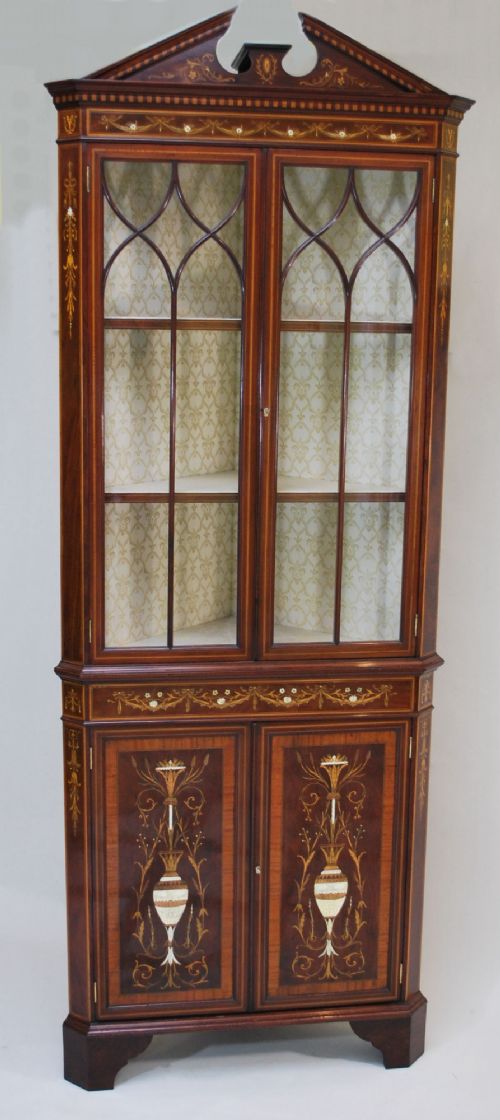
Buyers encounter corner cabinets, breakfront forms, and two-part bookcase-over-cupboard configurations designed for domestic libraries and drawing rooms. Each variant offers a distinct method for storing books while maintaining visible elegance through glass doors and inlaid panels.
How They Were Made
Cabinet makers built these pieces using solid mahogany and supportive secondary timbers, applying finely figured veneers to drawer fronts and door panels. Workshops relied on precise joinery to construct glazed frames, bracket feet, and robust cornices.
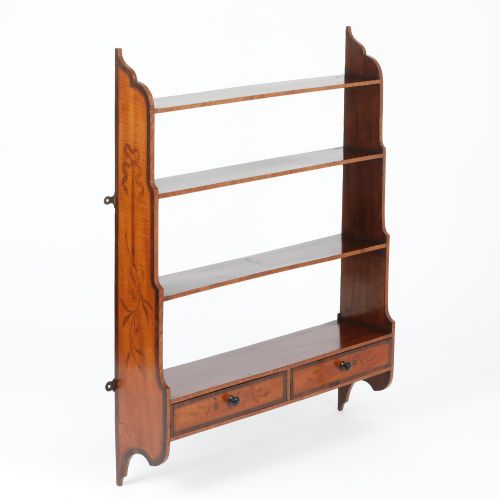
Decoration relied on contrasting timbers such as satinwood and boxwood, inlaid into the primary mahogany surface to create geometric borders, urns, and floral motifs. Painted decoration and delicate brass hardware completed the construction of the finer display pieces.
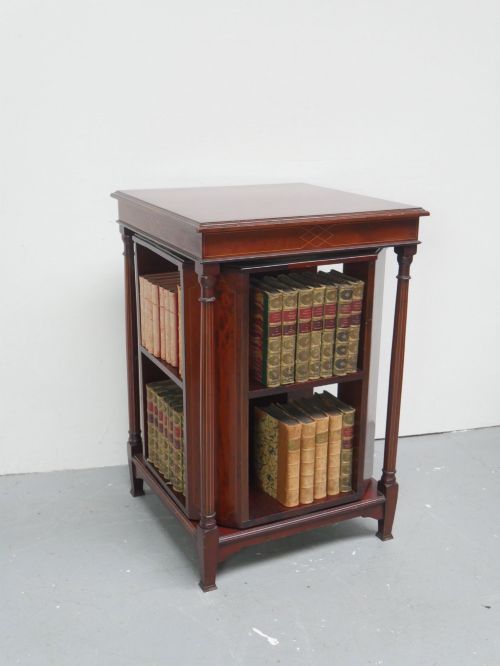
A revolving bookcase lets you spin your entire reading list with a gentle push of the finger.
What Varies in Quality
Quality rests upon the depth of figure in the mahogany timber and the crispness of the inlaid satinwood and boxwood stringing. Pieces with hand-painted floral details or original glass panes command greater appreciation among collectors.
Proportion and architectural balance dictate the standing of a cabinet, distinguishing standard commercial production from workshop pieces commissioned with breakfront profiles or fiddleback veneers.
Edwards & Roberts·Jewell of London
The Sheraton Mahogany Bookcase Glossary
- Sheraton Revival
- A design movement inspired by the late 18th-century neoclassical style of Thomas Sheraton, popular during the Victorian and Edwardian periods. It is characterised by slender proportions and delicate inlay.
- Secretaire Bookcase
- A dual-purpose piece featuring a pull-down writing drawer with fitted internal compartments situated beneath upper bookcase shelving. This form allowed owners to write letters and store volumes within a single cabinet.
- Breakfront
- A cabinet construction where the central section projects forward from the flanking wings. This configuration adds architectural depth and presence to large library bookcases.
- Inlay
- A decorative technique where contrasting woods like satinwood or boxwood are inserted into recesses cut into the mahogany ground. This creates sharp linear borders and ornamental motifs.
- Fiddleback
- A figured mahogany grain pattern displaying ripples that resemble the back of a violin. Cabinet makers reserved this timber for the most prominent display doors.
Sheraton Mahogany Bookcase: Frequently Asked Questions
What is a secretaire bookcase?
A secretaire bookcase combines a bookshelf with a pull-down desk drawer, hiding pigeonholes and small compartments behind a folding writing surface.
This clever dual function made it a popular choice for studies and drawing rooms where space was valued.
How do I identify Sheraton Revival?
Sheraton Revival pieces date from the Victorian and Edwardian eras rather than the 18th century, drawing inspiration from classical neoclassical design.
They are recognised by light mahogany timbers, satinwood inlay, tapered legs, and restrained geometric proportions.
Are revolving bookcases practical?
Revolving bookcases sit on a low table or floor base with a hidden pivot mechanism allowing easy access to a circle of books.
They were designed for desktop use or bedside reading in the late 19th and early 20th centuries.
Where were breakfront bookcases used?
Breakfront bookcases were grand library furniture pieces built to house extensive leather-bound collections in formal rooms.
The projecting central section created a commanding architectural silhouette against large walls.