

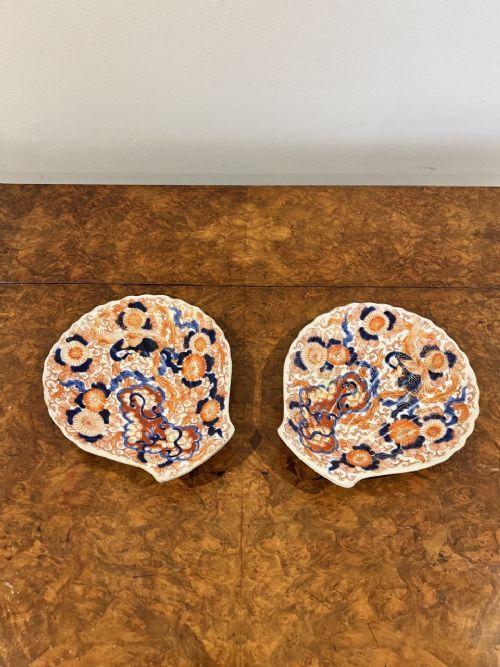


Shell Painting
These shell painting antique pieces bring together marine forms and hand-painted artistry from the Georgian, Regency, and Victorian periods.
Shell Painting
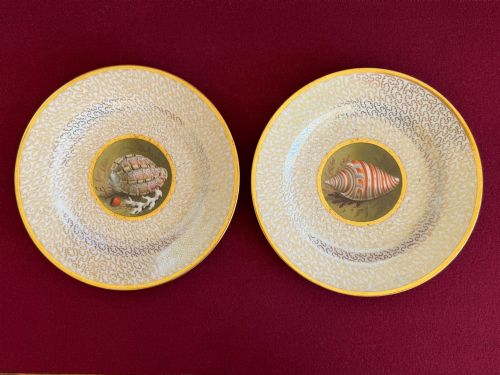
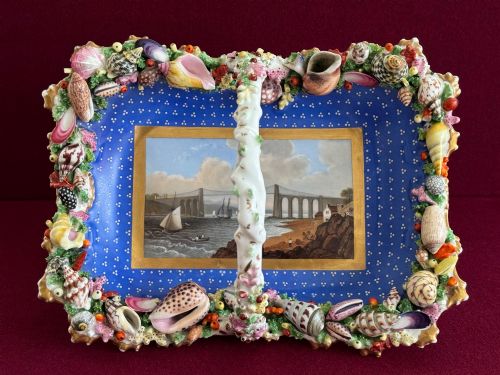
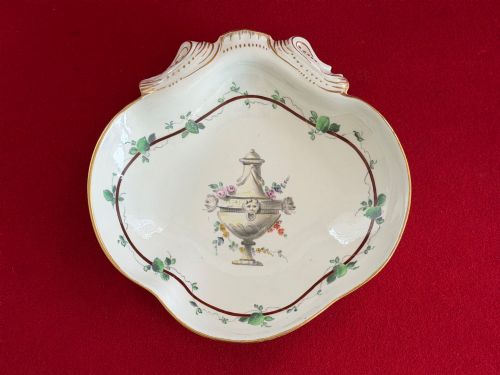
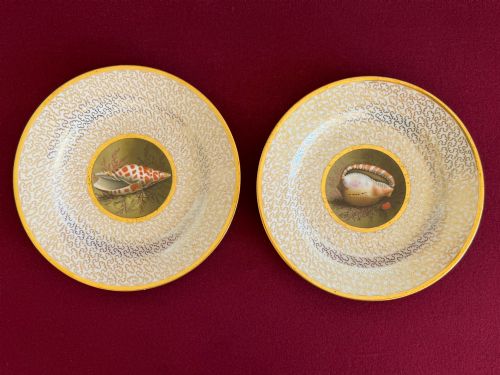
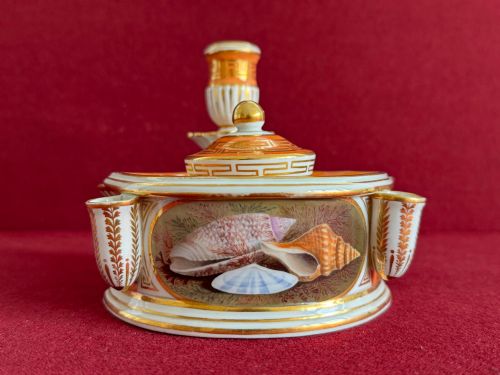
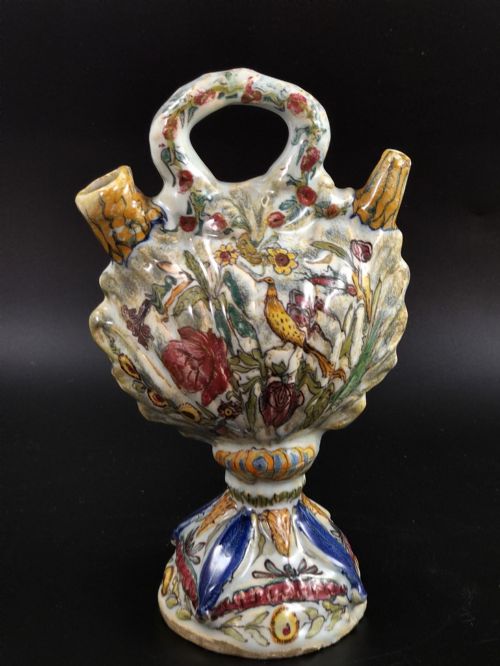
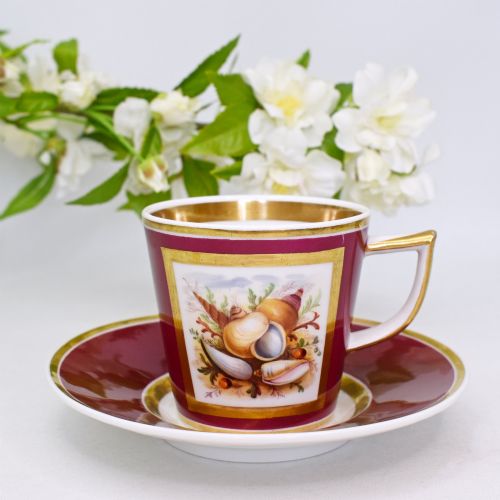
When you search for a shell painting antique, you encounter items featuring shell motifs, actual shells, or porcelain and ceramic wares shaped directly like scallop and conch shells. The selections on this page span several centuries, moving from Georgian porcelain dessert dishes and inkstands to 19th-century oil paintings and Japanese Imari shell-shaped plates.
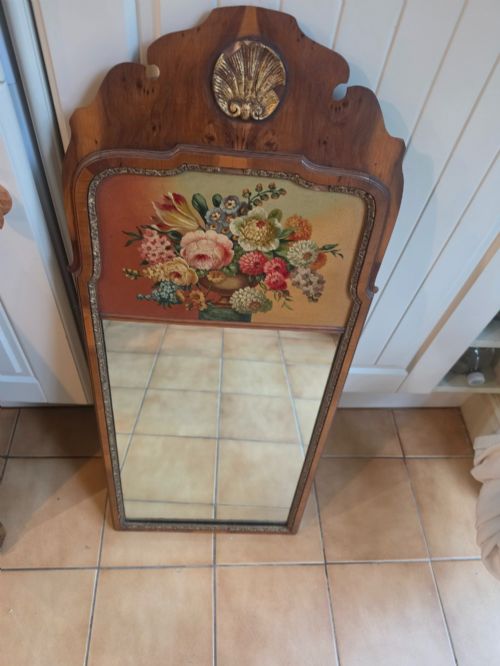
Most items you meet here take the form of tableware, decorative plates, mirrors, and framed oil paintings. Makers utilised porcelain, ceramic, enamel, and canvas to depict maritime subjects, floral sprays, and still life scenes incorporating shells.
Origins stretch across English, French, Italian, Dutch, and Japanese workshops, with notable contributions from historical porcelain factories like Worcester. These pieces served both decorative and functional roles in period interiors, from dining rooms to drawing rooms.
Materials and construction methods
Makers shaped hard-paste and soft-paste porcelain into realistic marine contours, applying hand-painted enamels and gold leaf highlights before kiln firing. Painters used fine sable brushes to render detailed botanical and maritime scenes directly onto porcelain surfaces and canvas.
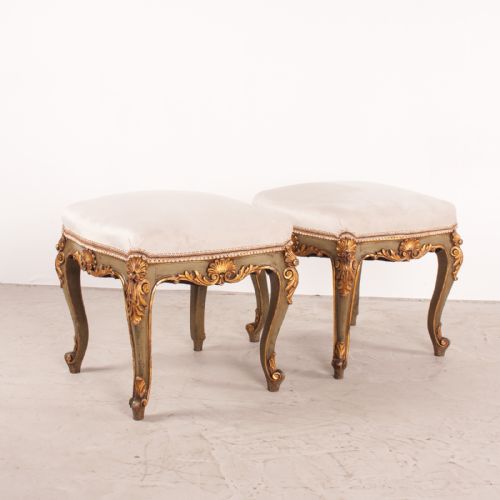
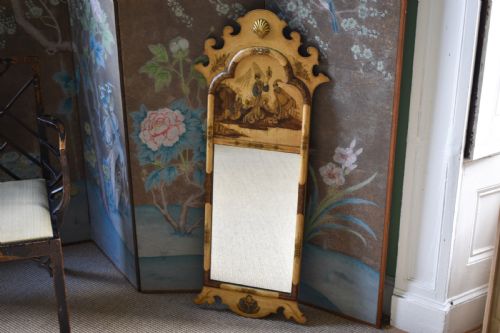
Cabinetmakers and artisans utilised walnut, painted wood, cast iron, and gesso for furniture and mirrors incorporating shell carvings, gilt accents, and Chinoiserie decoration. Folk artists also assembled natural materials into intricate dioramas within framed enclosures.
Shell Painting Retail Price Guide 2026
Typical asking prices for shell painting among the pieces listed under this phrase on Sellingantiques today, from the lower quarter to the upper quarter. They describe what is for sale here now, not the wider market.
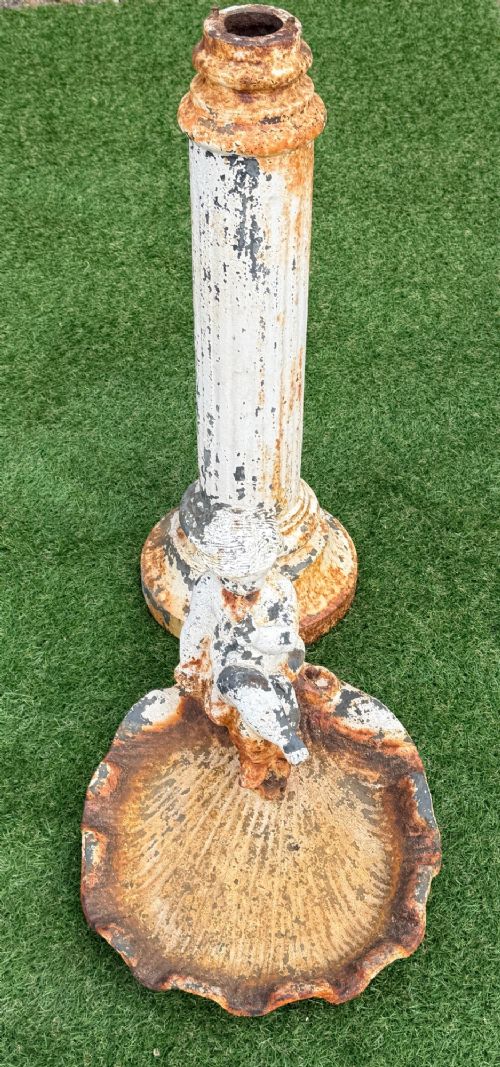
A cast iron bird bath sits alongside fine porcelain plates, guarded by a very small cherub perched on a column.
Assessing quality in antique shell pieces
The degree of artistic skill in the hand-painted details separates standard factory output from exceptional studio work. Fine brushwork on porcelain surfaces and canvas displays precise control of colour and perspective, whereas lesser examples show hurried execution.
The crispness of the moulding on porcelain vessels, ceramic plates, and carved wooden frames indicates the grade of the original production. Well-preserved gilding, original painted finishes, and intact enamel glazes elevate the standing of any piece from this selection.
James Giles·Barr Flight and Barr·Royal Worcester·Rockingham·Gillows
The Shell Painting Glossary
- Comport
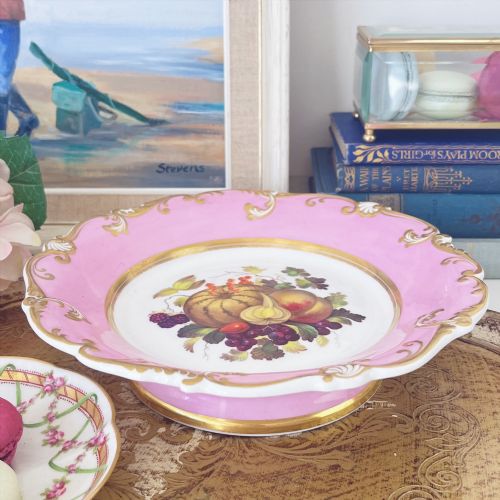
- A decorative footed dish or tazza raised above the table level for serving fruit or dessert. These often feature shaped edges and hand-painted botanical motifs.
- Majolica
- A type of earthenware decorated with opaque coloured glazes, frequently utilised for Italian and Continental vessels. The glaze provides a glossy surface suitable for vibrant polychrome painting.
- Imari
- A style of Japanese export porcelain decorated in underglaze blue and contrasting iron red, gold, and green enamel. Makers adopted these symmetrical floral and shell designs in later European adaptations.
- Diorama
- A three-dimensional scene enclosed within a case or frame, utilising natural specimens such as shells alongside painted backgrounds. Folk artists assembled these popular Victorian decorative objects.
- Vide-poche
- A small shallow dish or tray designed to hold small personal items emptied from pockets. French examples often employ blue and white faience or porcelain.
Shell Painting: Frequently Asked Questions
What is a shell painting antique?
A shell painting antique refers to items featuring painted representations of shells on canvas or porcelain, as well as three-dimensional ceramic wares shaped like marine shells. These objects date primarily from the Georgian, Regency, and Victorian eras.
Collectors find these pieces in various forms, including oil paintings, decorative dessert plates, and porcelain inkstands. Each item demonstrates the period fascination with natural history and maritime collecting.
How were porcelain shell dishes used?
Porcelain shell dishes and comports served during formal dessert courses to hold fruit, sweetmeats, or confectioneries. They acted as decorative centerpieces on dining tables.
Beyond the dining room, smaller shell-shaped dishes functioned as vide-poches or desk accessories. Their sculptural forms made them suitable for display on cabinet shelves.
How do I date a painted porcelain shell piece?
Dating relies on factory marks, paste composition, and the style of the hand-painted decoration. Early pieces from factories like Worcester display specific enamel palettes and paste characteristics unique to the 18th and early 19th centuries.
Reference books detailing manufacturer marks help narrow down production years. Stylistic clues such as gilt borders and floral arrangements also align with specific design periods.
How do I care for antique painted surfaces?
Antique painted surfaces and gilt details require gentle handling with a dry, soft cloth to remove dust. Avoid chemical cleaners and moisture, which damage fragile enamels and gold leaf.
Display items away from direct sunlight to prevent fading of the painted pigments. Maintaining stable room temperature prevents wood or gesso frames from warping.