




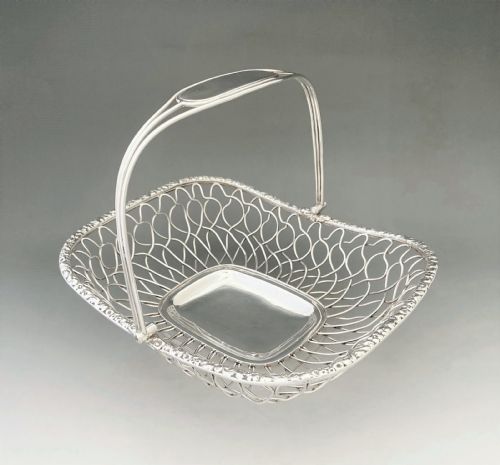


Sheffield Silver Sugar
Sheffield silver sugar pieces bring Georgian and Edwardian craftsmanship to the table, offering lasting elegance for daily use.
Sheffield Silver Sugar
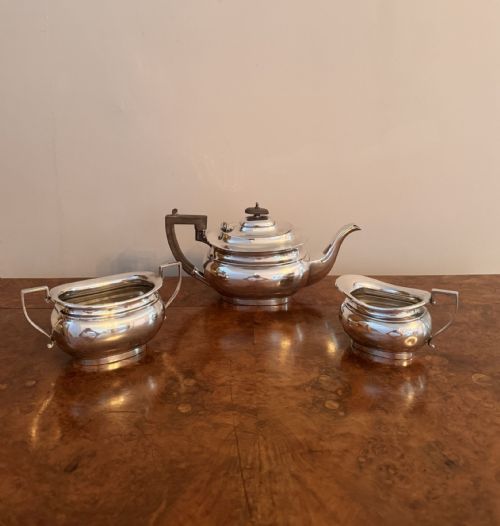
When you search for sheffield silver sugar, you encounter a specialised selection of tableware designed for sweetening tea and coffee. These items include delicate sugar baskets, sugar bowls, casters, and tea sets spanning the Georgian, Edwardian, and mid-twentieth century periods.
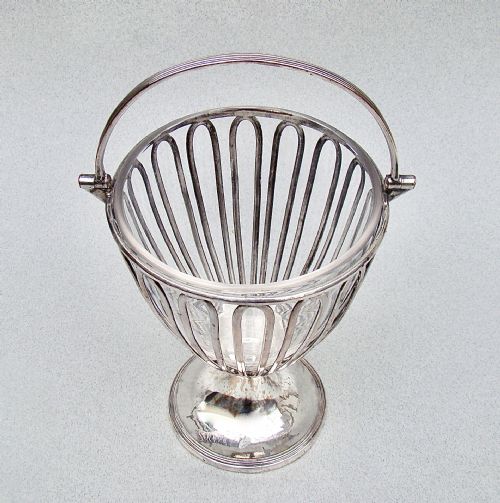
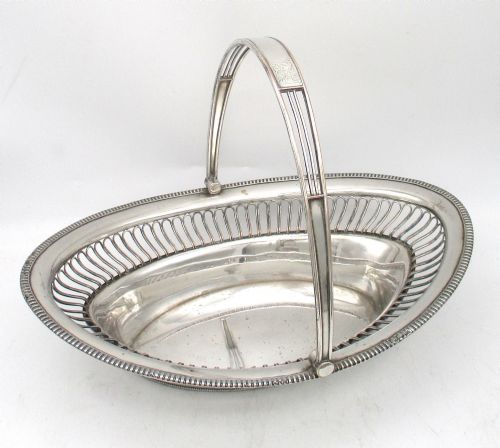
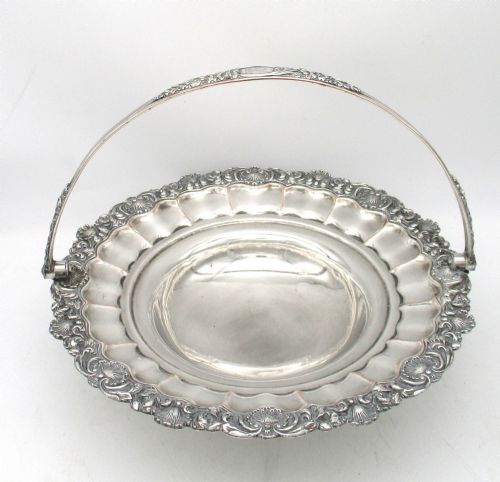
The most common examples on this page are wirework baskets and plated bowls originating from the late eighteenth and early nineteenth centuries. Alongside these, solid silver Edwardian baskets and complete tea services demonstrate the breadth of forms produced across these eras.
Materials and construction
Many early pieces utilise Old Sheffield Plate, a fusion method combining silver and copper, often shaped into open wirework frames. Others employ sterling silver shaped through fretwork, alongside accents of gold gilt and wooden components.
Makers shaped these metals into structural baskets and vessels, sometimes pairing them with creamin jugs or incorporating fitted presentation cases.
Sheffield Silver Sugar Retail Price Guide 2026
Typical asking prices for sheffield silver sugar among the pieces listed under this phrase on Sellingantiques today, from the lower quarter to the upper quarter. They describe what is for sale here now, not the wider market.
Listings span from the 18th century through to 1940, featuring Old Sheffield Plate, copper, sterling silver, and gold gilt.
Judging quality and execution
Distinction in these items often rests on the finesse of the wirework and the precision of the piercing or fretwork decoration. Simpler plated vessels sit alongside intricate solid silver designs carrying clear hallmarks.
The presence of original fitted cases and complete multi-piece services elevates the standing of an item compared to single surviving bowls or baskets.
Joseph Rodgers & Sons·James Dixon & Sons Ltd·Hammond, Creake & Co·Harry Atkin
The Sheffield Silver Sugar Glossary
- Old Sheffield Plate
- A composite material made by fusing a thin layer of silver onto a heavier copper core. This technique predates modern electroplating and remains visible at cut edges.
- Wirework
- A method of construction using fine metal wires soldered into open geometric or looping patterns. It creates lightweight yet rigid baskets typical of the Georgian period.
- Sugar Caster
- A perforated vessel used for sprinkling sugar over food or beverages. These tall shakers often feature hallmarked silver bodies.
- Fretwork
- An ornamental design created by piercing patterns through a sheet of solid silver. This technique is frequently seen on Edwardian baskets.
- Hallmark
- An official stamp applied to precious metals indicating the standard of purity and the place of assay. Sheffield items often bear specific town marks.
Sheffield Silver Sugar: Frequently Asked Questions
What is Old Sheffield Plate?
Old Sheffield Plate is an early composite material formed by melting a sheet of silver onto a copper ingot. This creates a durable metal that shows thin lines of copper where edges meet.
Items made this way date primarily to the eighteenth and nineteenth centuries before electroplating became common.
How do I clean these items?
Silver and plated surfaces require gentle cleaning with a soft cloth and a non-abrasive silver polish. Avoid harsh scrubbing that can wear through thin plating.
Store pieces in dry conditions to prevent tarnishing over time.
How do I date a sugar basket?
Dating relies on stylistic clues like wirework patterns, along with any stamped hallmarks indicating the assay office and year. Georgian and Edwardian designs each carry distinct structural traits.
Comparing construction methods helps narrow down the period of manufacture.
Were these pieces used daily?
Sugar baskets and casters served a functional role in formal dining and tea service traditions. Wealthy households displayed them prominently on the table.
Over generations, many transitioned from active service into decorative display collections.