

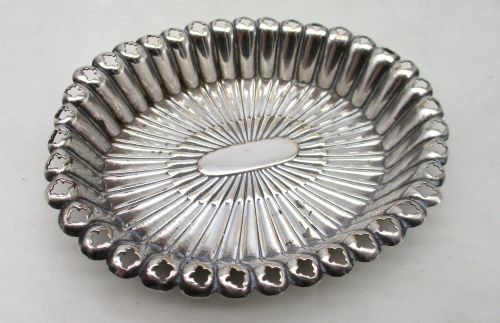
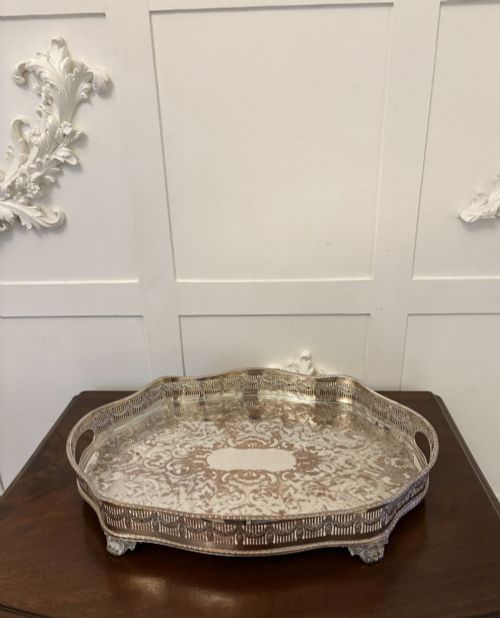
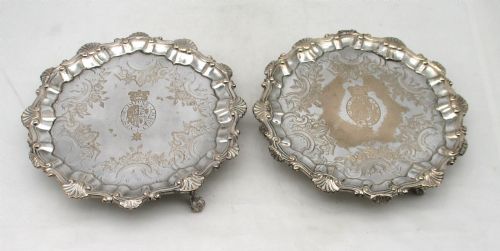


Sheffield Plated Tray
A sheffield plated tray is a fusion of copper and silver that brings Georgian and Victorian elegance directly to the table.
Sheffield Plated Tray
When searching for a sheffield plated tray, buyers encounter items ranging from small card dishes to large serving platters spanning the 18th and 19th centuries. The selection includes serving trays, tea trays, knife trays, and inkstands shaped by Georgian, Regency, and Victorian styles.
The 18th century and early 19th century examples frequently utilise the older fused plate technique, whereas later pieces often employ electroplated methods on nickel silver or copper bases.
Materials and construction methods
The traditional process involved fusing a thin sheet of silver to a thicker ingot of copper, then rolling the combined metal out into sheets for forming. Makers shaped these sheets into trays, often incorporating applied silver wire borders to hide the exposed copper edges.
Later pieces shift towards electroplating, depositing silver onto bases such as copper or nickel silver through an electrical current. Cut glass and wood also appear in specific forms like wine coasters and desk stands.
Sheffield Plated Tray Retail Price Guide 2026
Typical asking prices for sheffield plated tray among the pieces listed under this phrase on Sellingantiques today, from the lower quarter to the upper quarter. They describe what is for sale here now, not the wider market.
Listings feature items spanning the 18th century to the Edwardian period, constructed from Old Sheffield Plate, copper, silver plate, and electroplated nickel silver.
Assessing quality and craftsmanship
Quality rests on the preservation of the original silver layer over the underlying copper, particularly where edges and engraving reveal the base metal through wear. Crispness in reticulated piercing, hand-engraving, and applied cast borders distinguishes finer workshops from standard production.
The weight of the metal and the integrity of soldered joints on handles and feet further separate superior serving pieces from lighter utilitarian items.
Creswick·Walker Knowles·Padley Parkin·J Dixon & Sons·Frank Cobb & Co·Daniel Holy of Sheffield·Lee & Wigfull·J.H. Potter
The Sheffield Plated Tray Glossary
- Old Sheffield Plate
- A material produced by fusing a layer of silver to a copper core before rolling the metal into sheets. This method predates modern electroplating.
- Electroplated Nickel Silver
- A base alloy of copper, nickel, and zinc coated with a layer of silver using an electrical process. This technique became common during the Victorian era.
- Reticulated
- Decorated with an openwork pattern of pierced geometric or floral designs. This ornamentation appears frequently on later serving trays.
- Mazarine
- A flat draining plate or insert placed inside a larger dish to drain liquids from meat or fish. These items are typically found in earlier dining sets.
- Salver
- A flat tray, usually standing on small feet, used for serving drinks or presenting cards. These pieces often feature engraved centres and shaped rims.
Sheffield Plated Tray: Frequently Asked Questions
What is a sheffield plated tray?
A sheffield plated tray is a serving piece made by fusing silver and copper together, or later by electroplating silver onto a base metal. These items originated in Sheffield during the 18th century as an accessible alternative to solid silver.
They encompass various forms, from tea trays and salvers to inkstands and card dishes, following styles from the Georgian period through to the Edwardian era.
How can I tell old sheffield plate from later silver plate?
Old Sheffield Plate often reveals a thin line of copper showing along the cut edges or wear points where the silver layer has thinned. This method of fusion creates a distinct tactile weight and appearance compared to later electroplated wares.
Electroplated nickel silver, introduced in the 19th century, shows a greyer metal underneath rather than the warm reddish hue of copper.
How do I care for a sheffield plated tray?
Clean the tray using a soft cloth and a gentle silver polish specifically formulated for plated items, avoiding harsh abrasive pastes that can wear through the silver layer. Regular, light dusting preserves the finish.
Store the piece in a dry environment away from direct heat and rubber compounds, which can accelerate tarnishing of the silver surface.
Were these trays used for food?
Many of these pieces served practical dining functions, holding meat dishes, serving tea, or draining liquids from roasts with mazarine inserts. Others functioned as decorative accessories for calling cards or desk stationery.
Their robust construction in copper and silver made them suitable for daily household service in large 18th and 19th century homes.