




Sheffield Plated Metal
Sheffield plated metal items are fused silver and copper wares that bring Georgian elegance to the table.
Sheffield Plated Metal
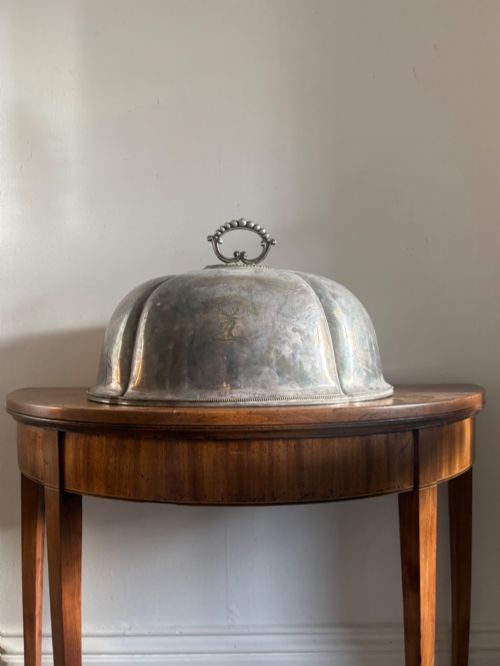
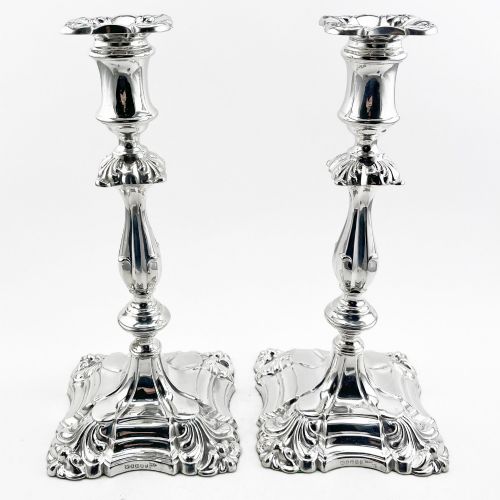
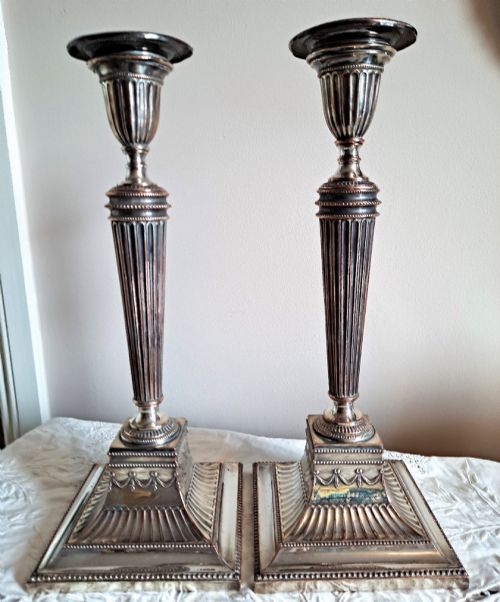
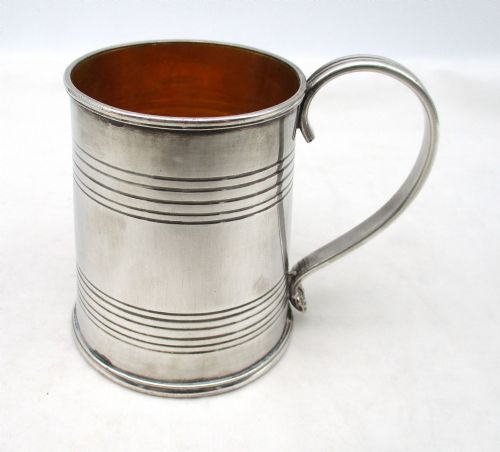
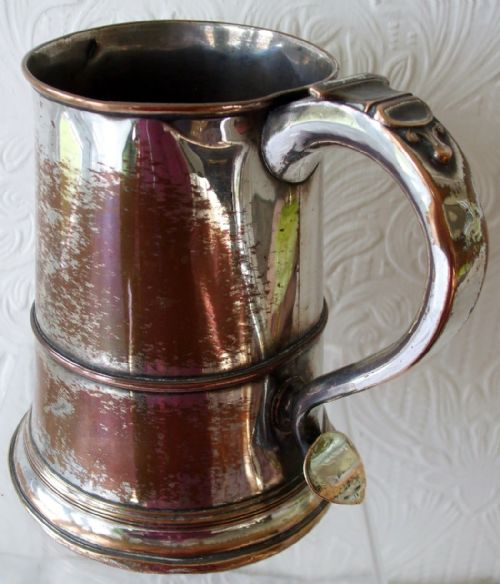
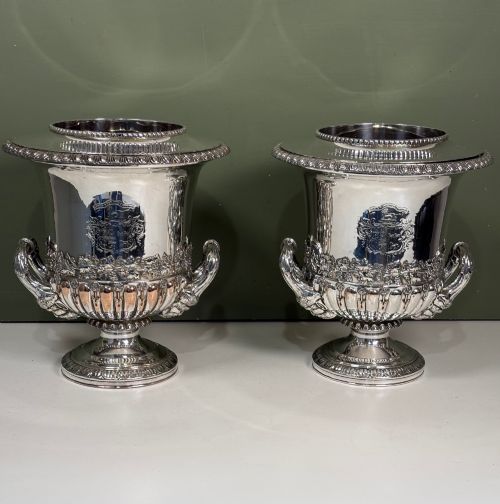
Sheffield plated metal encompasses domestic and dining wares produced predominantly during the eighteenth and nineteenth centuries, taking forms such as tankards, candlesticks, tea urns, and wine coolers.
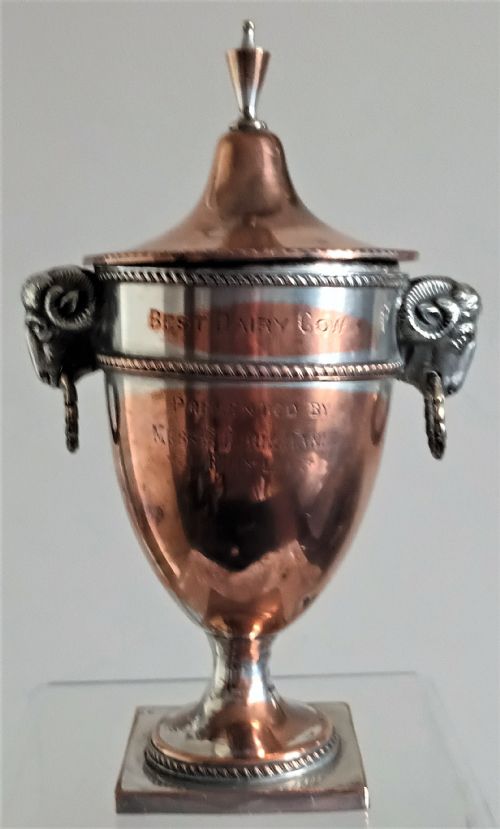
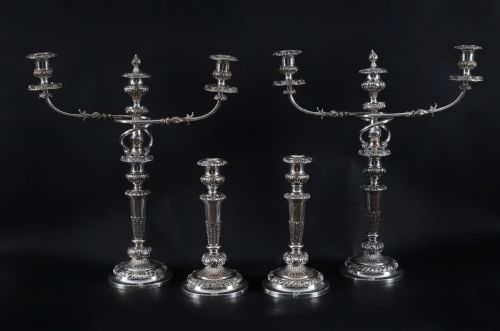
Buyers seeking sheffield plated metal will encounter pieces reflecting Georgian, Regency, and Victorian styles, ranging from miniature chestnut urns to grand candelabra suites.
The selection includes practical vessels and decorative table items like wirework baskets, card trays, and communion chalices originating from English workshops.
Materials and Construction
These pieces are made by fusing a thin sheet of silver to a thicker copper core, a method developed in the eighteenth century that created durable metal wares.
Makers occasionally incorporated wood and gold gilt elements into designs like tea caddies and decorative vessels alongside the primary copper and silver plate materials.
Sheffield Plated Metal Retail Price Guide 2026
Typical asking prices for sheffield plated metal among the pieces listed under this phrase on Sellingantiques today, from the lower quarter to the upper quarter. They describe what is for sale here now, not the wider market.
Keep an eye out for miniature chestnut urns, which prove that Georgian nobility took their roasted nuts remarkably seriously.
Distinctions in Quality
Quality in sheffield plated metal rests on the crispness of chased and applied ornamentation, such as crests, rococo motifs, and neoclassical borders.
The integrity of the fused metal sheet over the copper base determines the visual weight and longevity of items like tankards, trays, and candelabra.
Richard Morton·Walker & Hall·Padley Parkin·Frank Cobb & Co·Blagden Hodgson & Co
The Sheffield Plated Metal Glossary
- Old Sheffield Plate
- A material produced by thermally fusing silver onto a copper ingot before rolling them into sheets together. This technique predates modern electroplating methods.
- Wine Cooler
- A vessel designed to chill bottles at the dining table, often fashioned with handles and lined for ice. These pieces frequently bear family coats of arms.
- Candelabra
- A branched candlestick holding multiple lights, standing as a centrepiece on dining tables. Larger examples often separate into individual sticks.
- Samovar
- A large heated metal urn used to boil water for tea, fitted with a tap at the base. They stand as notable centrepieces of nineteenth-century hospitality.
Sheffield Plated Metal: Frequently Asked Questions
What is old sheffield plate?
Old sheffield plate is a composite material made by fusing silver and copper together through heat and pressure. The resulting sheet was then worked into tableware.
This technique differs from later nineteenth-century electroplating by showing a genuine layer of fused metal rather than a chemical deposit.
How do I clean sheffield plate?
These metal items require gentle cleaning with a soft cloth and a specialised silver polish formulated for plated wares. Vigorous rubbing must be avoided to protect the underlying copper.
Proper maintenance preserves the remaining silver layer and prevents damage to engraved crests or applied decorative mounts.
Are these pieces solid silver?
These items are not solid silver, as they utilise a copper base fused with a silver sheet. This construction method provided the appearance of silver at a lower weight and cost.
Examining the edges or worn spots often reveals the reddish copper hue beneath the silver surface.
How were tea urns used?
Tea urns and samovars held hot water for hospitality during Georgian and Victorian gatherings. A small tap at the base allowed servants or hosts to fill teapots easily.
These large vessels served as functional centrepieces on sideboards and tables during formal meals.