


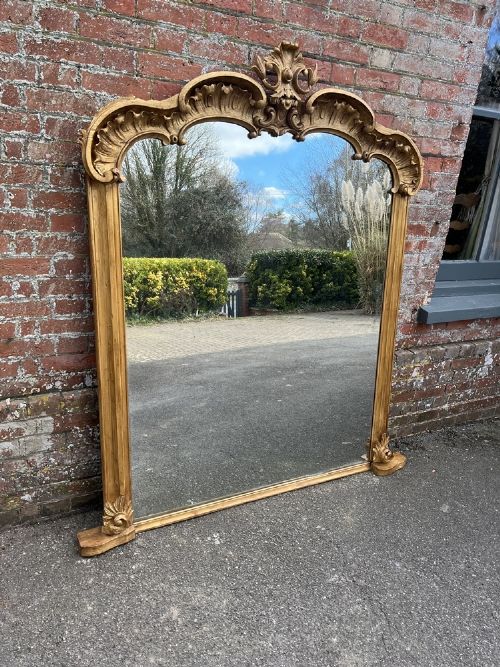


Shaped Crest Mirror
A shaped crest mirror brings fluid, architectural curves and generous proportions to a room, offering both practical reflection and strong decorative presence.
Shaped Crest Mirror
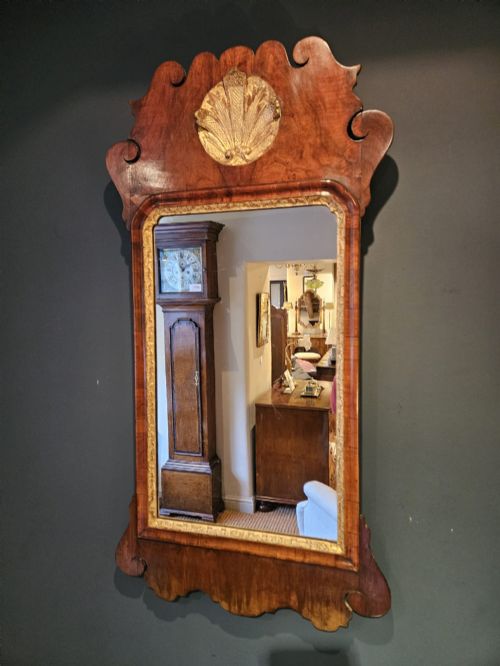
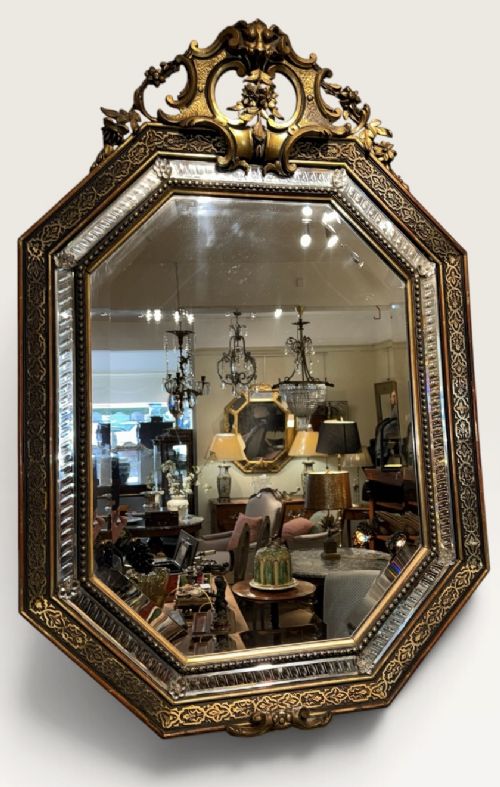
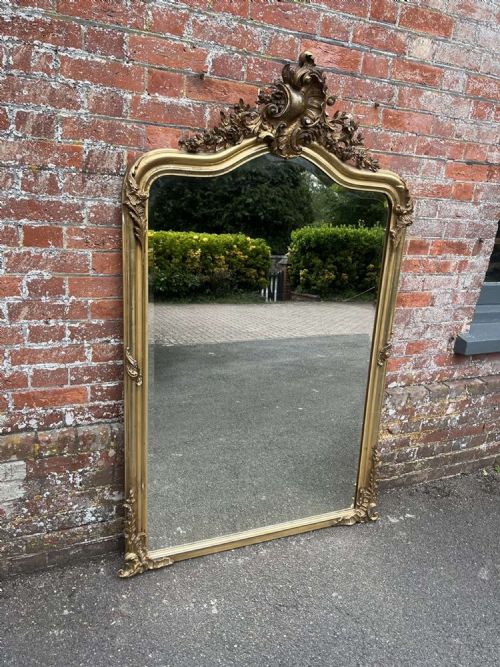
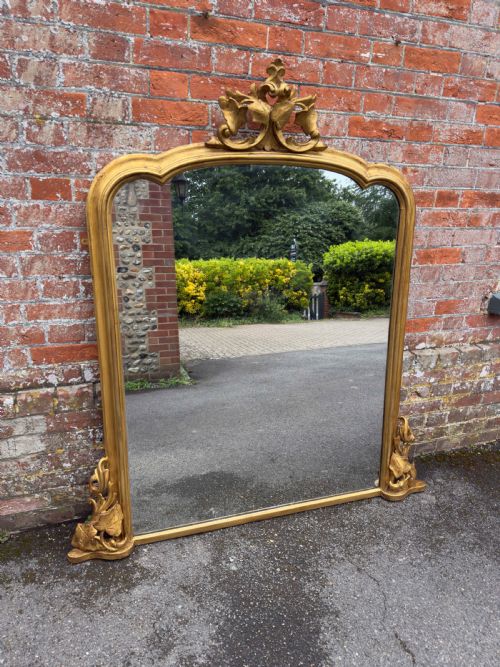
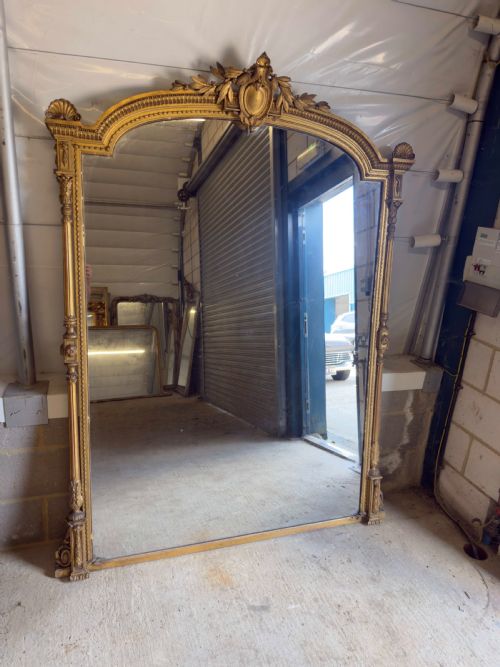
A shaped crest mirror draws the eye through distinctive upper contours, appearing frequently here as grand nineteenth-century overmantel pieces and French wall mirrors. These items anchor a room by combining substantial scale with elaborate cresting above the main glass plate.
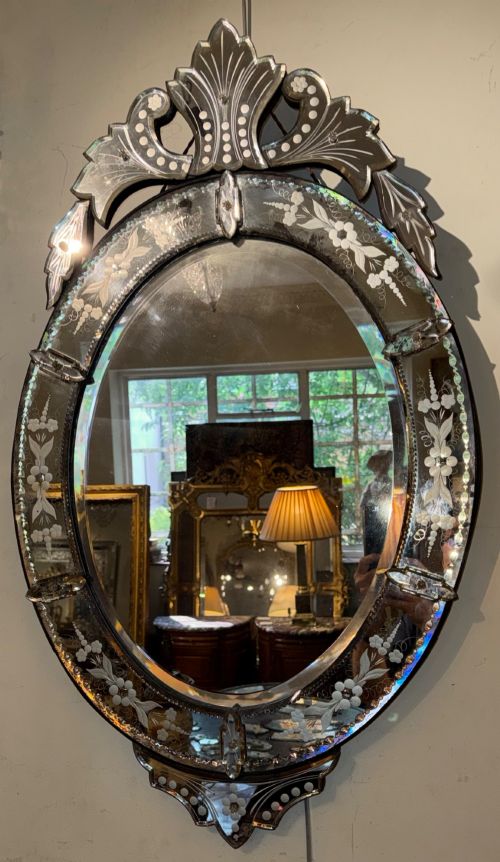
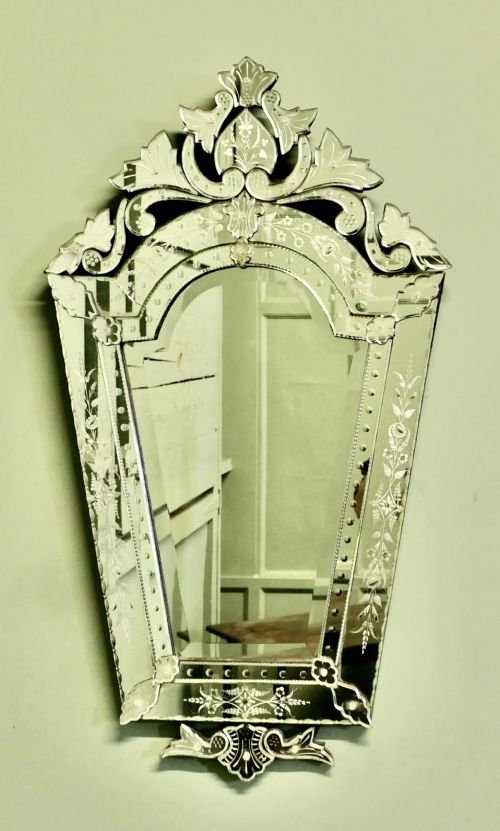
The selection ranges from Victorian giltwood examples to walnut pieces and Venetian designs, spanning periods from the nineteenth century into the mid-twentieth century. Buyers encounter both painted finishes and gilded surfaces designed to catch and reflect natural light.
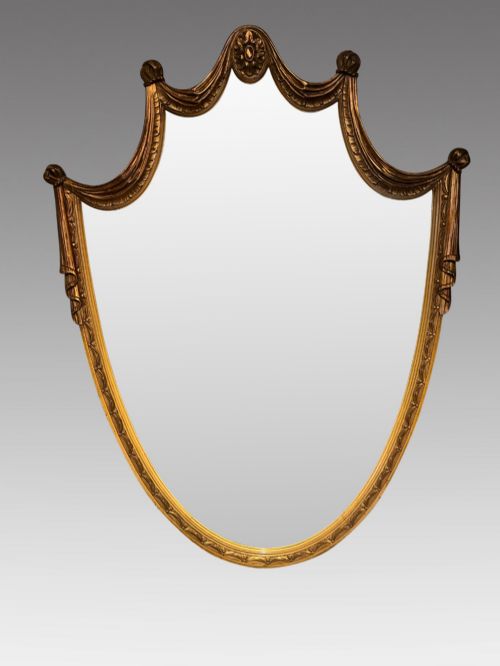
Overmantel formats dominate the selection, historically built to sit above a fireplace and command the vertical space of a reception room. Alongside these sit distinct wall mirrors taking shield forms or incorporating delicate glass panels.
How they were made
Carved wood provides the structural foundation for these pieces, overlaid with gesso to build up intricate relief work before applying gilding or paint. This traditional combination allows sharp definition along the curved crests and elaborate scrollwork.
Gold leaf and silver-gilt applications give many frames their luminous finish, while other pieces rely on walnut veneers or simple painted surfaces. Mirror glass is set within these frames, sometimes retaining its original silvering and foxed appearance from the period of manufacture.
Shaped Crest Mirror Retail Price Guide 2026
Typical asking prices for shaped crest mirror among the pieces listed under this phrase on Sellingantiques today, from the lower quarter to the upper quarter. They describe what is for sale here now, not the wider market.
The selection spans the nineteenth century up to the 1950s, encompassing wall mirrors, overmantels, and heraldic shield forms.
What varies in quality
The depth and crispness of the carved wood and gesso ornamentation separate standard frames from superior examples, as skilled hands achieve greater fluidity in the crest curves. Original gilding and untouched surface patination command higher regard than later repainting or re-gilding.
The integrity of the mirror glass itself influences the character of the piece, with original plates showing subtle age marks that attest to period authenticity. Construction weight and the retention of original backboards also indicate the care taken during initial manufacture.
The Shaped Crest Mirror Glossary
- Gesso
- A plaster-like preparation applied to wood surfaces to form a smooth base for carving, gilding or painting. It allows craftsmen to model intricate three-dimensional details along the frame.
- Giltwood
- Timber that has been coated with gold leaf or metal leaf over a prepared ground. This material catches ambient light and brightens darker interiors.
- Overmantel mirror
- A large wall glass specifically proportioned to hang above a mantelpiece. These pieces often feature horizontal or vertical grandeur designed to fill the chimney breast.
- Shield-shape mirror
- A glass whose perimeter follows the heraldic form of a protective shield. This distinct outline creates a narrower base tapering towards a pointed or curved top.
Shaped Crest Mirror: Frequently Asked Questions
Where should I hang an overmantel mirror?
These large mirrors sit naturally above a fireplace mantel, where their proportions balance the hearth below and reflect light back into the room.
They also work effectively on expansive drawing room walls where the height of the shaped crest can command an empty space.
How do I identify a nineteenth-century frame?
Examine the construction materials, noting the presence of carved wood beneath layers of gesso and traditional gilding techniques.
Period pieces often display heavy timber frames with hand-applied finishes and signs of age on the mirror glass itself.
Are French and English mirrors different?
French examples from this selection frequently feature painted wooden frames with softer, more whimsical Rococo curves and pale finishes.
English pieces more commonly adopt grand giltwood overmantel formats built for Victorian reception rooms.
What does original gilding mean?
Original gilding indicates that the gold leaf applied during the initial manufacture remains intact on the gesso and wood frame.
This surface develops a softer sheen and gentle wear over decades, distinguishing it from bright modern re-gilding.