



Sevres Style Glass
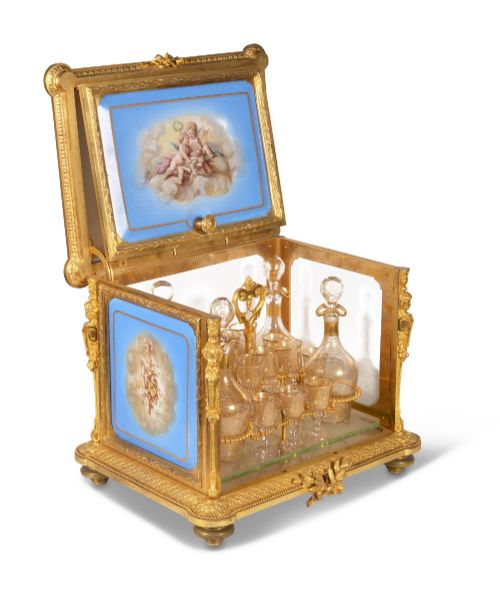
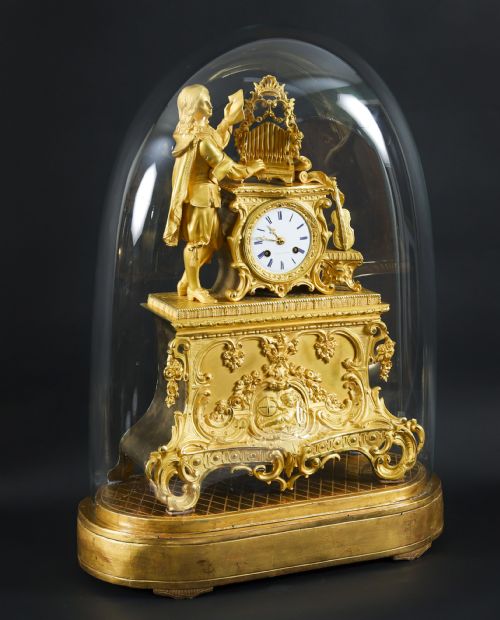
These sevres style glass pieces bring ornate French Rococo and Victorian craftsmanship into your home through decorative porcelain panels paired with glass and gilt bronze.
Sevres Style Glass
When you search for sevres style glass, you are looking at nineteenth century decorative objects that incorporate painted porcelain plaques within glass domes, mantel clocks, and cabinets. These items originate from the Victorian era and the French Napoleon III period, blending rich materials like burr walnut and ebonised wood with classical ornamentation.
The objects on this page most commonly appear as mantel clocks set beneath glass domes, oil lamps, and display furniture mounted with porcelain panels. You will also find decanter sets and pier cabinets that reflect French Second Empire and Louis XVI Revival tastes, often featuring gilt bronze and ormolu mounts.
How they were made
Maker workshops constructed these pieces using a combination of cast ormolu, gilt bronze, and turned wood carcasses veneered in burr walnut or ebonised finishes. Artisans set hand-painted porcelain plaques into the bodies of clocks and furniture to emulate the famous French royal manufactory aesthetic.
Makers protected delicate clock garnitures and porcelain components beneath glass domes supported on wooden or gilded bases. Metalwork components involved detailed casting and fire gilding to create rich ormolu mounts that frame the porcelain panels.
Sevres Style Glass Retail Price Guide 2026
Typical asking prices for sevres style glass among the pieces listed under this phrase on Sellingantiques today, from the lower quarter to the upper quarter. They describe what is for sale here now, not the wider market.
Listings feature nineteenth century objects combining porcelain, ormolu, and glass domes within Victorian and Napoleon III revival styles.
What varies in quality
The refinement of the painted porcelain panels and the crispness of the ormolu casting separate the finest examples from standard production. Superior items display intricate hand-painting on the porcelain alongside deeply chased gilt bronze mounts that fit flush against the wood or glass bodies.
Construction standards also define the tier of the piece, visible in the choice of burr walnut veneers and the weight of the bronze castings used for clock garnitures and cabinet mounts. Higher quality pieces often include exhibition level marquetry and complex bell striking clock movements.
Leroy Paris
The Sevres Style Glass Glossary
- Ormolu
- Gilded bronze mounts applied to furniture and clocks for decorative effect. This technique involves using mercury gilding on cast bronze to produce a rich metallic lustre.
- Garniture
- A set of matching decorative objects, typically a clock paired with matching vases or candelabra. These sets were designed to sit together on a mantelpiece.
- Marquetry
- Decorative veneer work where small pieces of wood are fitted together to form geometric or pictorial patterns on cabinet surfaces. This method highlights the skill of nineteenth century cabinet makers.
- Pier Cabinet
- A narrow display cabinet designed to stand against the wall between windows. These pieces frequently feature glass doors and inset porcelain plaques.
- Second Empire
- The French architectural and decorative style prevalent during the reign of Napoleon III. This aesthetic combines eclectic revivals of past royal styles with opulent materials.
Sevres Style Glass: Frequently Asked Questions
What are sevres style glass items?
These items are nineteenth century decorative works that incorporate painted porcelain plaques alongside glass domes, mantel clocks, and display cabinets. They reflect French and Victorian revival styles through the use of ormolu and fine wood veneers.
Collectors prize them for their combination of decorative porcelain and elaborate metalwork mounts, which capture the luxury of mid nineteenth century European interiors.
How were clock garnitures used?
Clock garnitures were placed centrally on mantelpieces above fireplaces, often accompanied by matching side ornaments like urns or candelabra. The glass domes protected the delicate mechanics and painted porcelain from dust.
In period parlours, these sets served as both timekeepers and focal points for the room, demonstrating the owner's taste for French design.
How do I live with these pieces?
Place these decorative objects on stable surfaces away from direct sunlight to protect the painted porcelain and wood veneers. Glass domes should be handled with care during cleaning to avoid damaging the underlying clock or garniture.
Integrating them into a room works best when they are given space to function as standalone decorative accents rather than being crowded among other items.
How do I tell periods apart?
Nineteenth century pieces often display distinct stylistic markers such as Napoleon III gilt bronze mounts or Victorian ebonised finishes with inlaid porcelain plaques. Examining the construction of the woodwork and the casting quality of the ormolu helps distinguish between earlier and later Victorian production.
Signatures or stamps on clock movements provide definitive clues to the date and the workshop origin of the piece.