


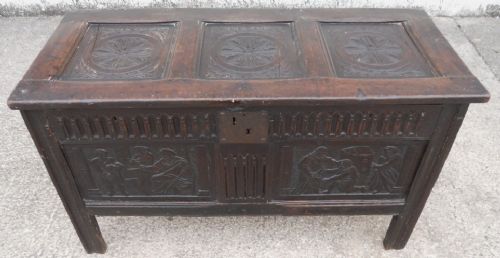


Seventeenth Century Style Chest
A seventeenth century style chest brings sturdy oak construction and rich historic character straight into a modern room.
Seventeenth Century Style Chest
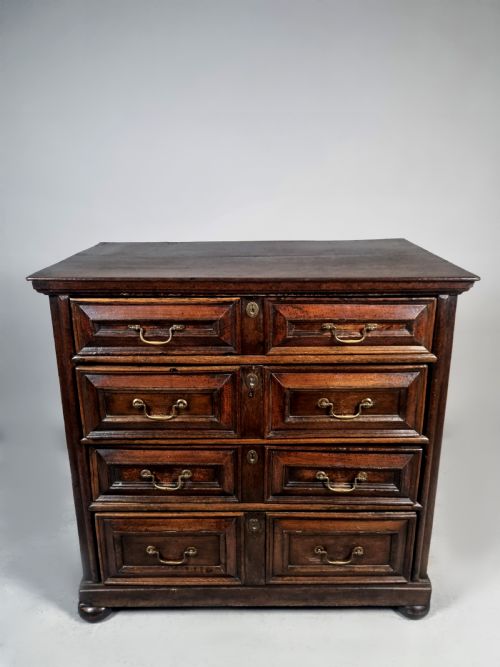
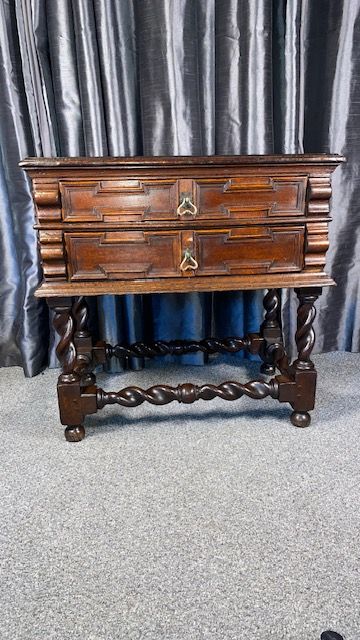
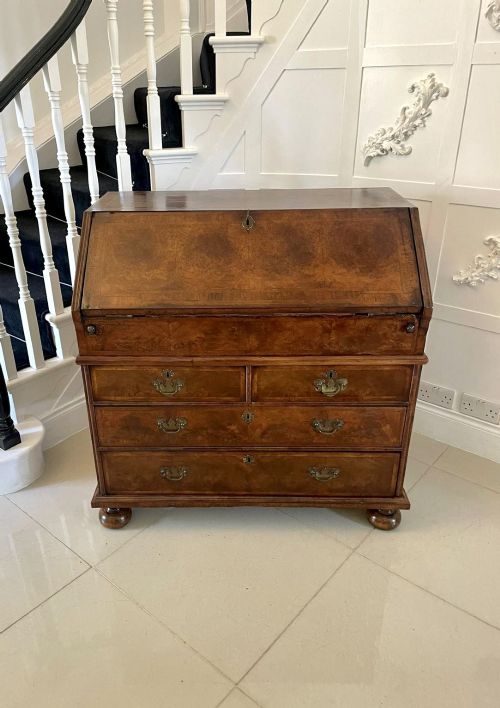
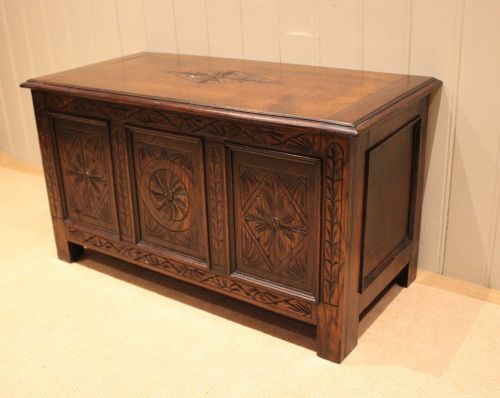
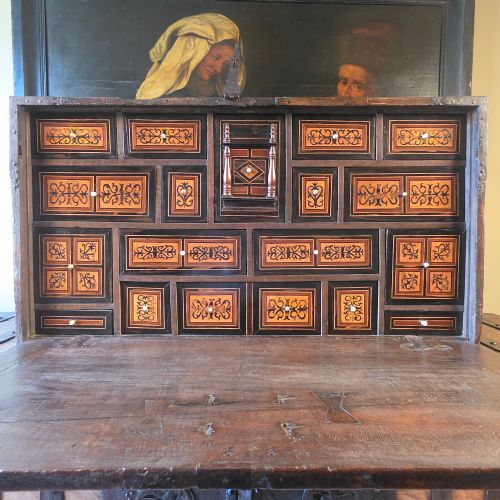
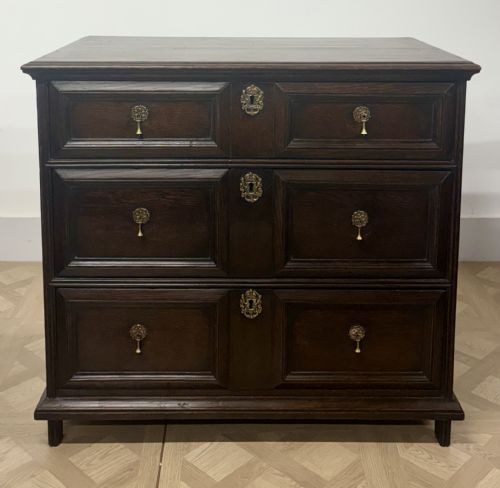
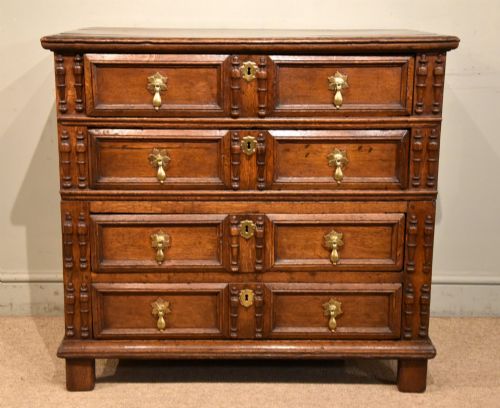
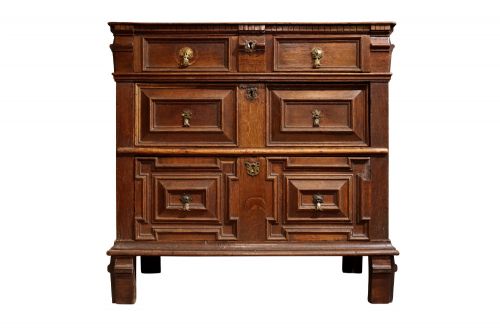
A seventeenth century style chest gathers robust oak furniture pieces designed for storage, encompassing styles from Jacobean revival to Charles II and William and Mary eras. Buyers examining this category will most frequently encounter sturdy oak chests of drawers, coffers, and blanket chests fashioned in these historic aesthetics.
The selection ranges from genuine seventeenth-century survivals to later revival pieces created around nineteen ten and nineteen twenty. These items typically manifest as low storage chests, upright chests of drawers with moulded fronts, or smaller side cabinets intended for practical household use.
Materials and construction
Makers built these pieces primarily using solid oak, sometimes integrating secondary timbers such as walnut, fruitwood, and varied wood inlay to create decorative contrast on drawer fronts and panels. Structural integrity relied on heavy timber framing, panelled construction, and pegged joints designed to withstand generations of domestic service.
Surface ornamentation involved hand carving, geometric block fronts, and applied mouldings that defined the Jacobean and Baroque styles. Functional hardware consisted of forged iron and brass drop handles or hinges, securing the heavy lids and drawer assemblies.
Seventeenth Century Style Chest Retail Price Guide 2026
Typical asking prices for seventeenth century style chest among the pieces listed under this phrase on Sellingantiques today, from the lower quarter to the upper quarter. They describe what is for sale here now, not the wider market.
Biblical scenes carved into oak blanket chests offer medieval soap opera entertainment for any living room wall.
Assessing quality and character
Quality separates pieces by the depth and crispness of the hand carving, the selection of figured timber grain, and the integrity of the original construction methods. Superior examples display harmonious proportions, carefully fitted drawers, and rich patination accumulated across centuries of use.
Revival pieces differ significantly from period originals through the precision of their joinery and the treatment of the timber surface. Finer examples maintain a clear fidelity to historic proportion, whereas lesser interpretations rely on heavy machine stamping or superficial distressing.
The Seventeenth Century Style Chest Glossary
- Coffer
- A large wooden chest traditionally used for storing valuables, linens, or domestic provisions. These items often feature hinged lids and elaborate front panel carvings.
- Jacobean Revival
- A nineteenth and twentieth-century design movement recreating the architectural styles of the early seventeenth century. Furniture from this period utilises dark oak and heavy geometric ornamentation.
- Block front
- A cabinetmaking technique where the front of a chest is divided into three vertical sections, with the exterior sections projecting forward and the central section recessed. This creates a bold three-dimensional facade.
- Moulded front
- A decorative treatment on drawer faces or cabinet doors utilising shaped wooden strips to create raised geometric panels and borders. This adds texture and depth to flat wooden surfaces.
Seventeenth Century Style Chest: Frequently Asked Questions
What is a seventeenth century style chest?
A seventeenth century style chest is a heavy storage piece built from oak, following aesthetic traditions from the Jacobean, Charles II, or William and Mary periods. These pieces include low blanket chests, coffers, and multi-drawer storage units.
Many examples found today date from later revival periods around nineteen ten or nineteen twenty, whilst others originate directly from the seventeen hundreds and earlier. They serve as functional storage items that bring historic presence into living spaces.
How do I care for antique oak furniture?
Antique oak requires a stable environment away from direct heat sources and dramatic humidity fluctuations to prevent timber splitting. Regular dusting with a soft cloth keeps the surface clean without abrasive chemical cleaners.
Applying a traditional beeswax periodically nourishes the dry wood and enhances the natural patina. Avoid placing wet items or direct sunlight onto the polished top surface.
How do I distinguish original pieces from revivals?
Distinguishing period pieces from later revivals involves examining the tool marks, timber shrinkage, and the type of construction hardware used in the assembly. Seventeenth-century originals display hand-cut joinery, pegged tenons, and wear patterns consistent with centuries of handling.
Nineteenth and twentieth-century revival pieces often reveal machine-sawn timber edges, standardised fixings, and cleaner interior surfaces. Comparing the wood patination inside and outside the piece provides further clues regarding its true age.
Where should I place a heavy oak chest?
Heavy oak chests suit hallways, living rooms, and bedrooms where their substantial presence anchors the room's layout. Ensure the floor can support the significant weight of solid timber furniture before positioning.
Keep the piece away from radiators and fireplaces to protect the dry oak from excessive heat. Adequate clearance around the lid or drawers ensures functional daily use.