



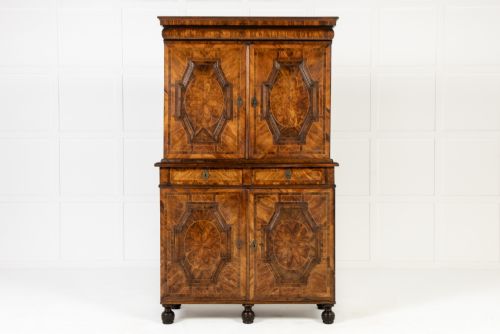


Seventeenth Century Press Cupboard
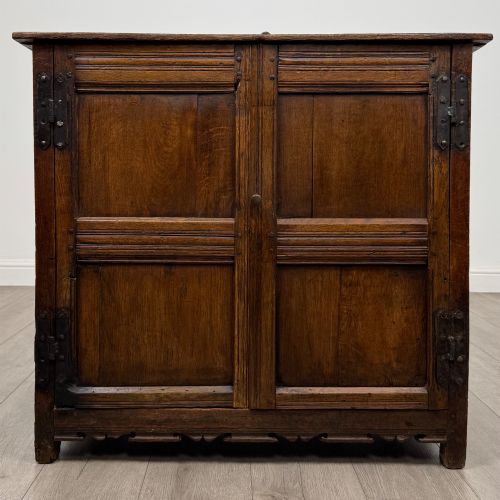
A seventeenth century press cupboard is a heavy timber storage piece built to hold household linens and dry goods, offering robust joinery that anchors a room.
Seventeenth Century Press Cupboard
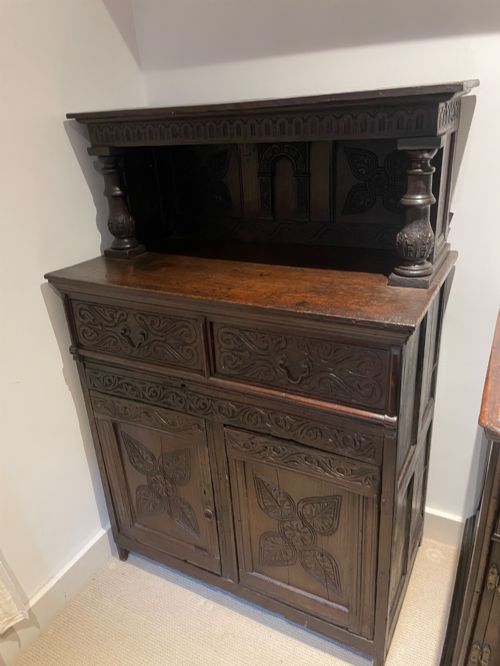
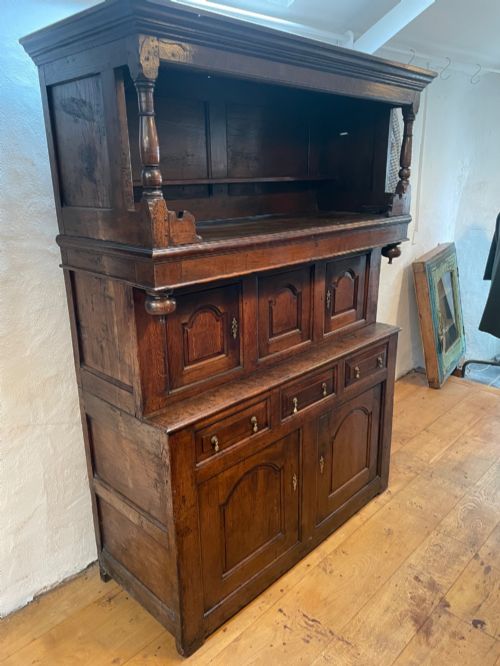
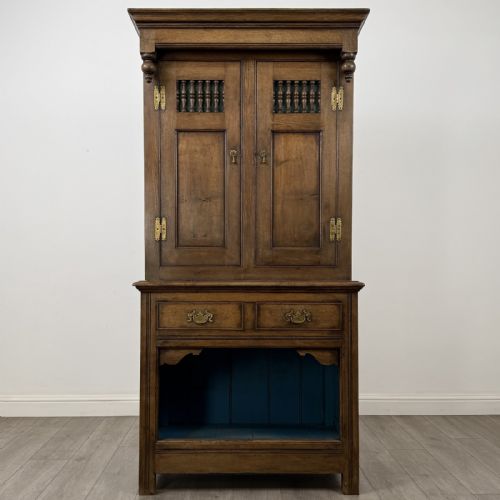
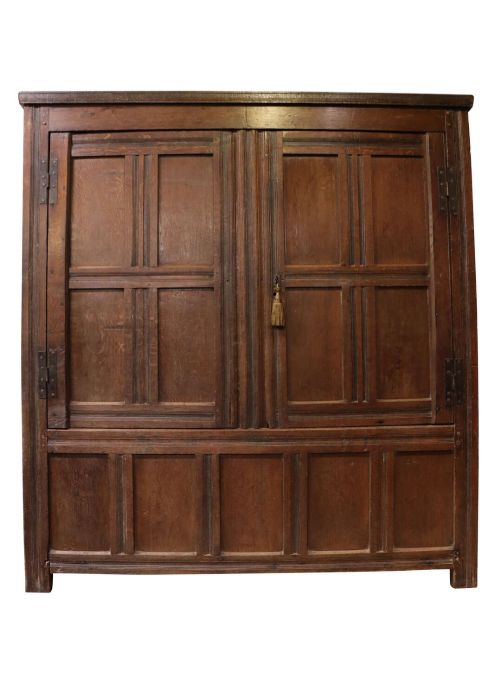
A seventeenth century press cupboard typically presents as a large, heavy timber storage item designed for domestic utility. Buyers encounter authentic seventeenth-century examples alongside later nineteenth-century and twentieth-century revival pieces modelled on Jacobean and Charles II forms.
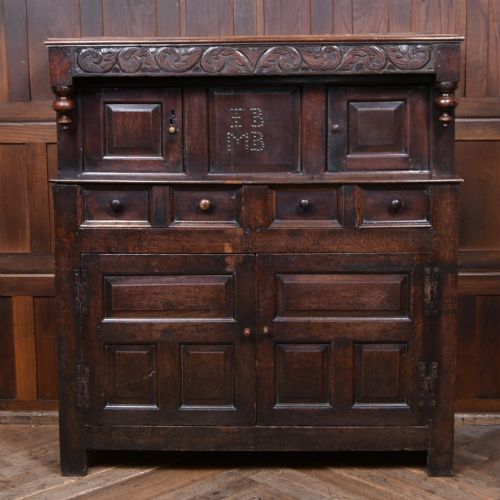
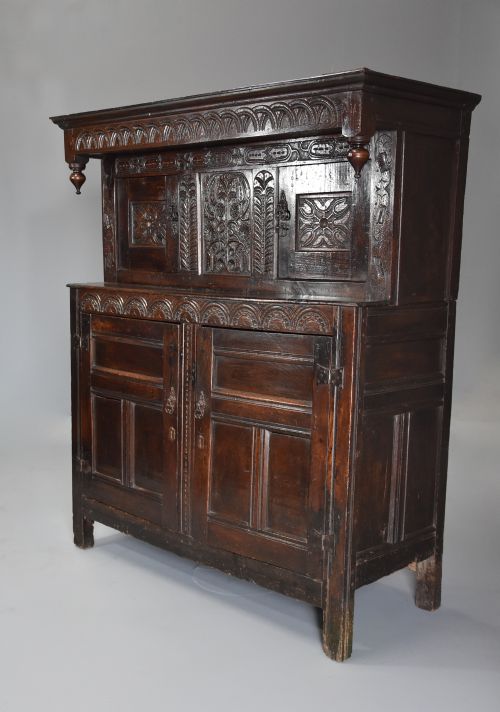
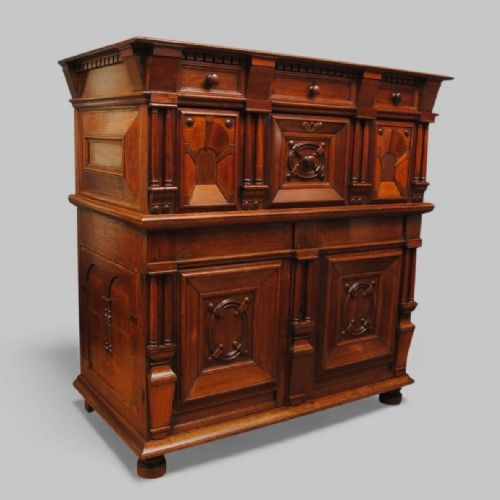
The regional variations appearing on this page span English, Welsh, French, and Dutch origins. Pieces often take the specific form of court cupboards, panelled vestment cupboards, or Welsh deuddarns, reflecting local woodworking traditions.
Period examples sit alongside revival items built around nineteen-twenty or nineteen-ten. The core inventory relies heavily on oak construction, supplemented by walnut, fruitwood, and rosewood cabinets.
Assessing Quality
Quality rests in the integrity of the original joined timber and the depth of the carved enrichment. Pieces retaining an untouched surface with period patina stand apart from heavily restored or later revival versions.
The crispness of the hand-carved pillars and panels distinguishes superior cabinet work from plainer or later adaptations. Structural harmony between upper and lower sections, particularly in court cupboards and compound pieces, dictates the overall standard.
Seventeenth Century Press Cupboard Retail Price Guide 2026
Typical asking prices for seventeenth century press cupboard among the pieces listed under this phrase on Sellingantiques today, from the lower quarter to the upper quarter. They describe what is for sale here now, not the wider market.
Listings feature oak, walnut, fruitwood, and rosewood materials across seventeenth-century and revival periods.
The Seventeenth Century Press Cupboard Glossary
- Press cupboard
- A large storage furniture item traditionally used for linen, featuring enclosed upper and lower compartments. These pieces often incorporate panelled doors and substantial timber frames.
- Court cupboard
- A specific form of seventeenth-century sideboard or cupboard featuring an recessed upper stage supported by pillars. They served both display and storage functions in domestic halls.
- Deuddarn
- A traditional Welsh two-tier cupboard sharing similarities with the court cupboard. These regional pieces utilise local oak and regional carving patterns.
- Joined cupboard
- Furniture constructed using mortise and tenon joints secured by wooden pegs rather than modern fixings. This technique provides the structural rigidity seen in seventeenth-century work.
- Jacobean revival
- A style popular in the nineteenth and twentieth centuries that copies seventeenth-century motifs and heavy oak forms. These later interpretations borrow heavily from original court and press cupboards.
Seventeenth Century Press Cupboard: Frequently Asked Questions
What is a press cupboard?
A press cupboard is a heavy wooden storage unit designed to hold household textiles and clothing. These pieces utilise sturdy frames and panelled doors to secure the contents.
Originating primarily in the seventeenth century, they served as prominent functional items in large domestic interiors. Their robust proportions reflect an era of solid timber construction.
How do I identify a seventeenth century piece?
Authentic seventeenth-century cupboards display traditional pegged joinery and hand-carved oak details. Signs of age appear in the timber grain and the natural wear of the surface.
Revival pieces from later centuries often copy these forms using machine tools or different internal construction methods. Comparing the timber patination and joint structure helps clarify the date.
Where were these cupboards made?
The pieces originate from various English regions including the West Country and Lancashire, as well as Wales. Continental examples from France, Holland, and Flanders also appear in the listings.
Each region imparted distinct decorative styles and timber preferences to the cupboards. Welsh examples frequently use local oak for vernacular deuddarns.