





Seventeenth Century Dutch Art
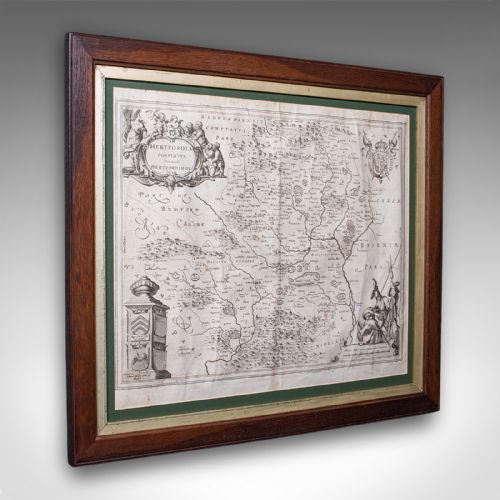
Seventeenth century dutch art encompasses oil paintings, maps and carved wooden domestic objects that bring the character of the Golden Age into a room.
Seventeenth Century Dutch Art
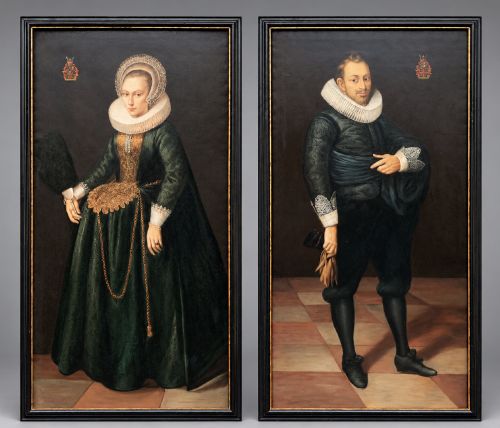
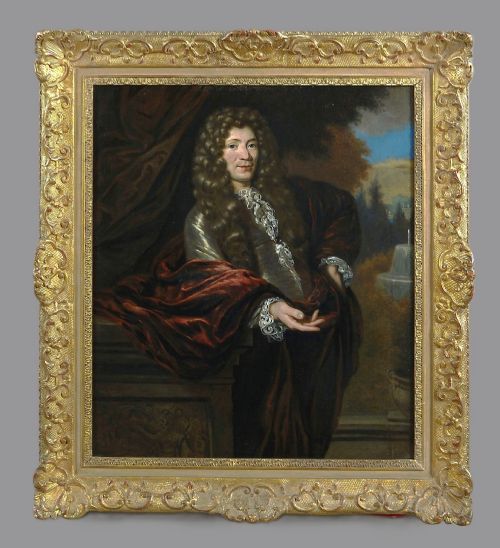
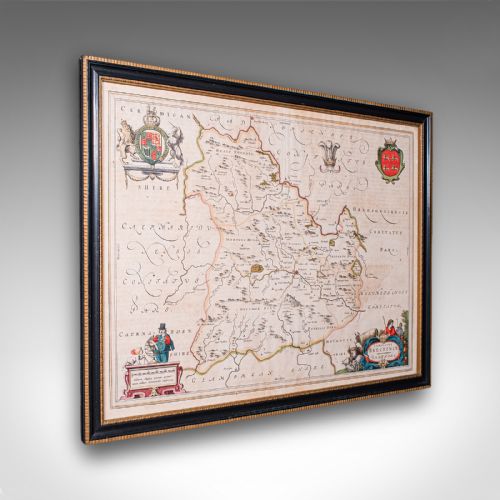
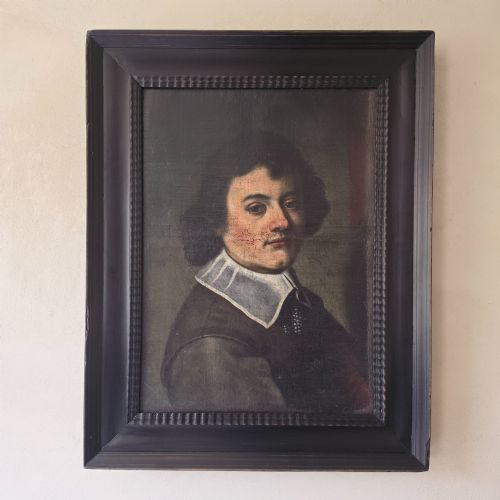
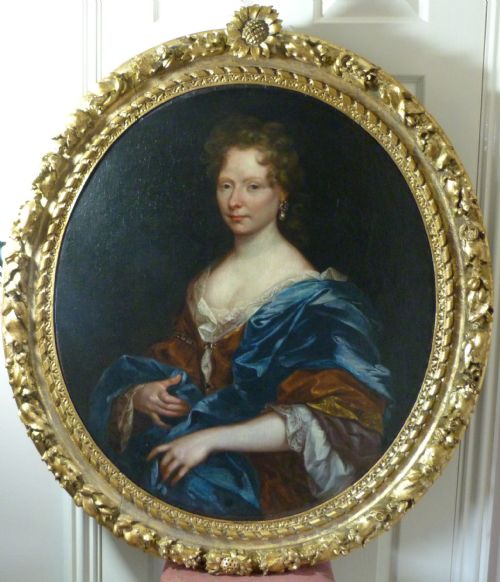
When you search for seventeenth century dutch art, you encounter oil paintings on canvas depicting portraits and still life scenes alongside framed cartography and carved wooden objects. The portraits range from military officers and nobility to gentlefolk, created during the height of the Golden Age and the Baroque period.
Oil paintings form the core of the group, rendered in styles that span Dutch Folk Art, Flemish Baroque and the Northern European school. These works capture the precise dress, expression and interior life of the period through careful brushwork and layered glazes.
Materials and construction
Painters of this era applied oil on canvas, building up rich colour and shadow through successive layers. Frames often utilise giltwood and gold leaf to complement the dark, atmospheric tones of the painted surfaces.
Domestic and utilitarian objects like mangle boards are constructed from solid oak and decorated with chip carving. Framed maps combine hand-coloured paper with glass protection and wooden surrounds.
Seventeenth Century Dutch Art Retail Price Guide 2026
Typical asking prices for seventeenth century dutch art among the pieces listed under this phrase on Sellingantiques today, from the lower quarter to the upper quarter. They describe what is for sale here now, not the wider market.
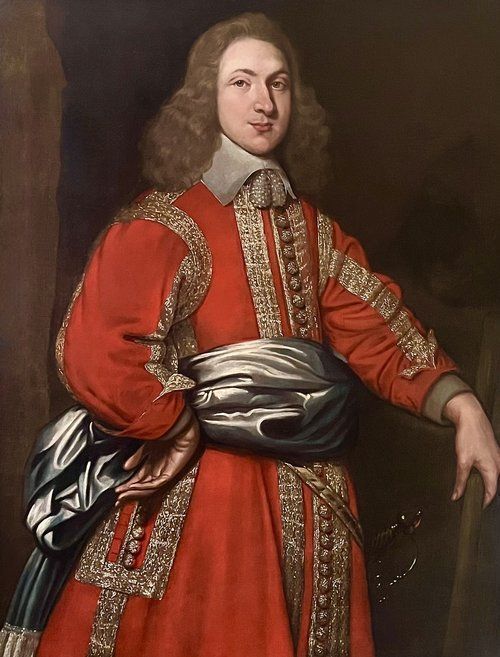
Young William III appears here as a boy, long before he took the English throne.
Distinctions in quality
For carved wooden items and framed maps, the depth and precision of the chisel work or the clarity of the printed cartography determine the standard. Intricate chip carving and well-preserved contemporary frames elevate a domestic artefact above basic utilitarian examples.
Gaspar Peeter Verbruggen·Nicolaes Maes·Pieter Nason·Adriaen Hanneman·Wybrand de Geest
The Seventeenth Century Dutch Art Glossary
- Oil on Canvas
- Pigment mixed with drying oil applied to a woven fabric support. This technique allowed artists to achieve subtle tonal gradations and deep shadows.
- Giltwood
- Wood carved and surfaced with a thin layer of gold leaf. It provides a reflective, ornate border for paintings and mirrors of the period.
- Mangle Board
- A flat wooden board with a handle used historically in Northern Europe for pressing linen. They were frequently decorated with elaborate chip carving and given as betrothal gifts.
- Cartography
- The science and practice of drawing maps. Seventeenth century examples often incorporate decorative cartouches and hand-coloured borders.
- Chip Carving
- A technique where chips of wood are removed from a flat surface with knives or chisels to create geometric patterns. It appears frequently on domestic wooden items from this era.
Seventeenth Century Dutch Art: Frequently Asked Questions
How do I hang a heavy oil painting?
Secure your hanging hardware directly into wall studs using appropriate steel fixings rated for the weight of the canvas and its giltwood frame. Ensure the wire or D-rings on the back are taut and evenly balanced.
Position the centre of the canvas at approximate eye level, typically around eye height from the floor. Keep the piece away from direct sunlight and sudden temperature shifts to protect the oil pigments.
What is a mangle board used for?
A mangle board served as a domestic tool used alongside a rolling pin to smooth and flatten linen fabrics. Husbands carved these wooden boards as gifts for their wives in rural households.
Today, collectors display them as wall art to showcase the intricate chip carving and folk motifs. They represent the intersection of utilitarian function and decorative craft in early homes.
Are antique maps handmade?
Cartography from this period involved printing from engraved copper plates onto handmade paper. Artisans then applied watercolour by hand to highlight borders and illustrations.
Framing these maps behind glass protects the paper from airborne pollutants and moisture. Display them away from direct light to prevent the ink and pigments from fading.