

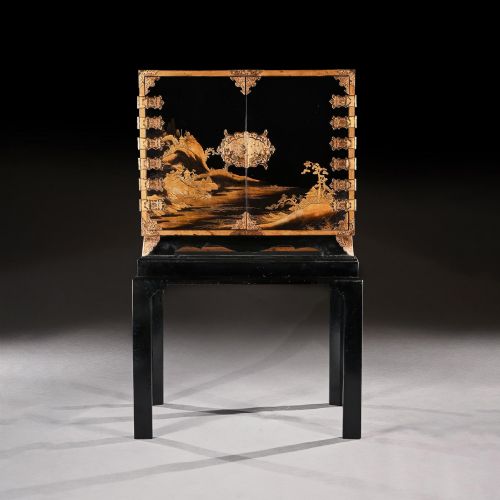
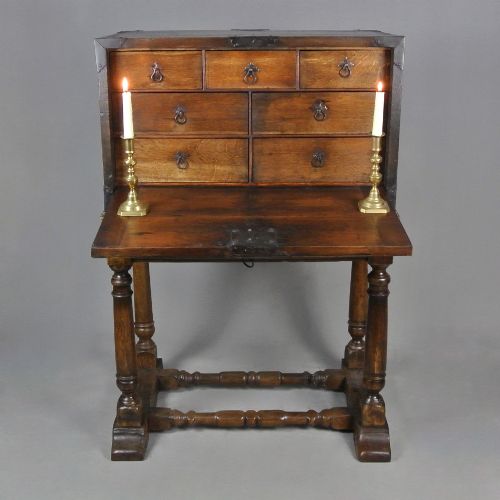
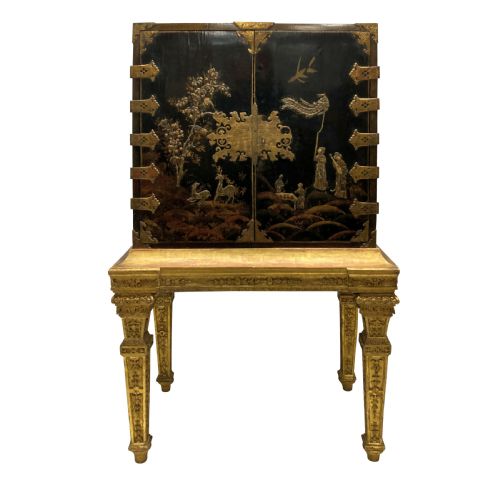
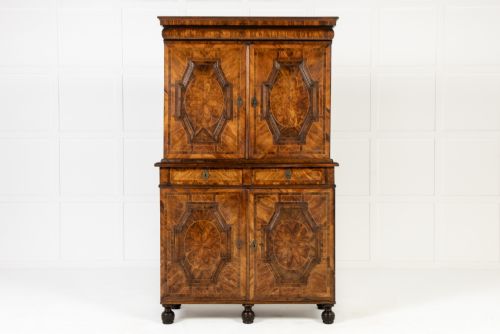


Seventeenth Century Cabinet on Stand
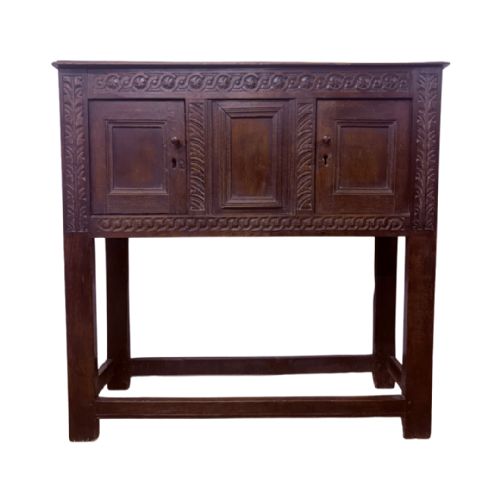
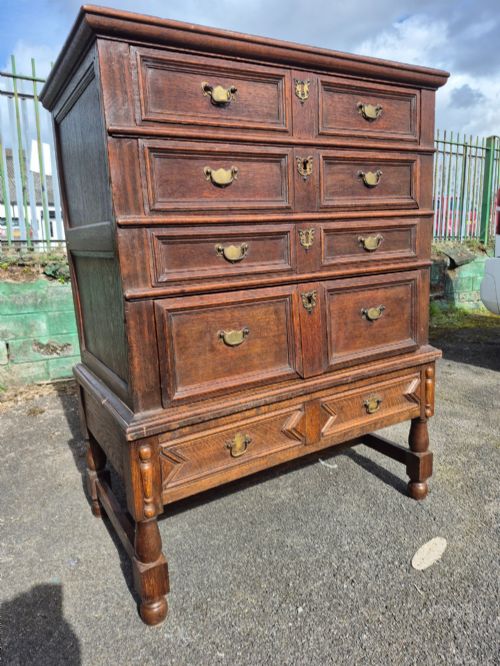
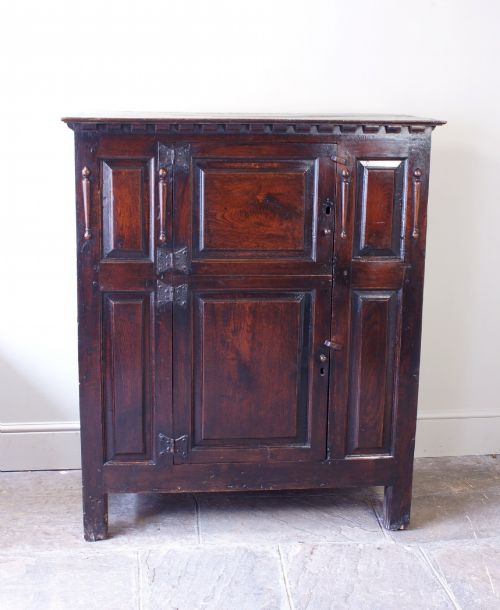
A seventeenth century cabinet on stand offers substantial storage and surface display, uniting a raised main body with a supporting timber framework.
Seventeenth Century Cabinet on Stand
A seventeenth century cabinet on stand brings together a primary storage box and a distinct supporting base, forming a towering profile intended for grand interiors. These architectural pieces often feature internal drawers or compartments designed to secure precious belongings.
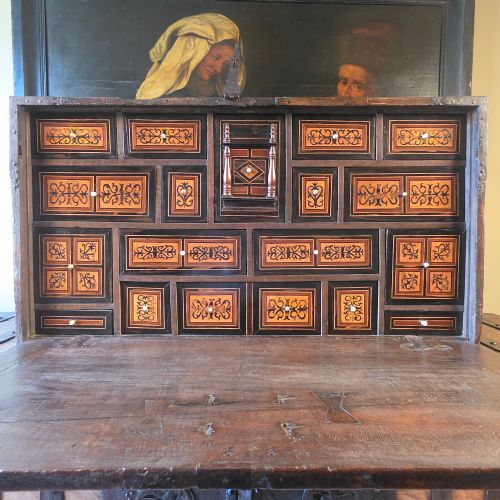
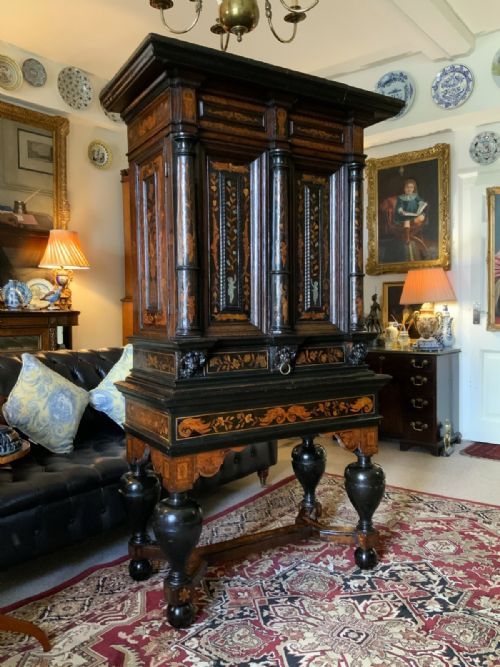
The variations span solid English joined oak constructions alongside Continental walnut, kingwood, and intricately decorated surfaces such as oyster veneer or seaweed marquetry. Alongside authentic seventeenth century examples, buyers encounter revival interpretations from later periods like nineteen twenty.
Regional diversity emerges across English, Spanish, French, and Dutch origins, yielding stylistic expressions from Jacobean severity to Baroque exuberance. Regional tastes dictate whether the stand relies on sturdy turned timber legs or elaborate gilt bronze mounts.
Materials and Construction
Makers utilised dense timbers including oak, walnut, fruitwood, and boxwood, building structural carcases that could support heavy ornamental facades. Joinery techniques relied on pegged joints and framed panels to accommodate natural timber movement.
Decorative surfaces display contrasting treatments, from tortoiseshell and ebonised details to intricate marquetry patterns formed in pewter and exotic woods. Brass and wrought iron hardware, alongside gilt bronze mounts, secure the doors and reinforce the corners.
Seventeenth Century Cabinet on Stand Retail Price Guide 2026
Typical asking prices for seventeenth century cabinet on stand among the pieces listed under this phrase on Sellingantiques today, from the lower quarter to the upper quarter. They describe what is for sale here now, not the wider market.
Judging Quality
The sophistication of the surface decoration defines the division between standard utility items and ambitious cabinetwork, particularly where complex oyster veneers or elaborate seaweed marquetry are deployed. Intricately worked inlay requires precise hand-cut precision that elevates the visual depth of the timber.
The structural harmony between the upper cabinet and its original stand dictates historical integrity, as separated components diminish the piece's authority. The weight and quality of the mounting brassware, hinges, and locks further separate master craftsmanship from straightforward production.
The Seventeenth Century Cabinet on Stand Glossary
- Cabinet on stand
- A raised storage furniture form consisting of an enclosed upper compartment resting upon a separate supporting base or stand.
- Oyster veneer
- Small circular or oval cross-sections of branch wood sliced and arranged in intricate repeating patterns across the surface.
- Marquetry
- Decorative veneer work using various coloured woods, metals, or shell to create pictorial or geometric designs on a carcase.
- Vargueno
- A traditional Spanish cabinet featuring a drop-front writing flap that conceals numerous small drawers and compartments.
- Joined oak
- Furniture constructed using mortise and tenon joints secured with wooden pegs rather than relying solely on glue or nails.
Seventeenth Century Cabinet on Stand: Frequently Asked Questions
How were these cabinets used?
These elevated pieces served primarily to store and display valuable commodities, documents, or personal collections in prominent rooms of a house. The raised stand kept the main compartment away from damp floor levels while projecting authority and status.
Over time, owners adapted the internal compartments to suit shifting domestic requirements, though the primary function remained secure containment of prized possessions.
Are stands usually original to the cabinet?
Many surviving examples have suffered separation over the centuries, leading to matched or entirely later replacement stands supporting older upper bodies. Careful inspection of jointing methods and timber ageing helps determine whether the base and top share a common origin.
Matching timber patination across both components provides a reliable indicator of historical unity, though expert appraisal remains valuable.
How do I care for oyster veneer?
Maintaining walnut or olive wood oyster veneer requires stable indoor humidity levels to prevent the small wooden sections from shrinking or lifting away from the carcase. Gentle dusting with a dry cloth protects the polished surface without introducing moisture.
Avoid placing these delicate items near direct heat sources or strong sunlight, which can dry out the historic glues and fade the timber tones.
What defines a Baroque cabinet?
Baroque examples display theatrical scale, dramatic contrasts in materials, and rich surface textures such as tortoiseshell, gilt bronze, and pewter inlay. The ornamentation emphasises movement and grandeur, diverging from the plainer rectilinear forms of earlier decades.
This aesthetic draws on Continental influences, bringing foreign craft traditions into domestic British and European cabinetmaking.