


Serpentine Marble Carving
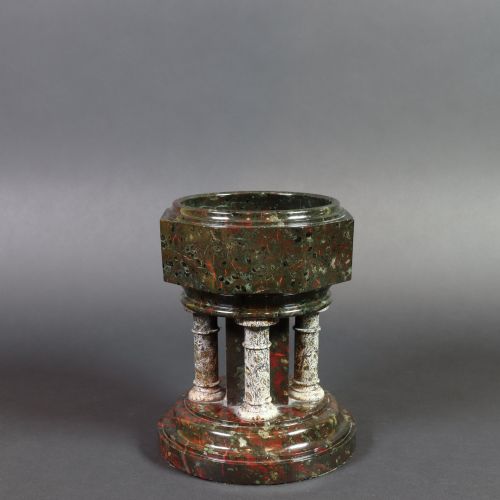
A serpentine marble carving brings tactile geological depth into a room, capturing classical sculpture and architectural forms through polished stone.
Serpentine Marble Carving
When searching for a serpentine marble carving, collectors encounter solid stone figures, architectural models, and decorative objects shaped from mottled green and reddish mineral rocks. These works span the eighteenth, nineteenth, and early twentieth centuries, reflecting classical revival movements and Grand Tour souvenirs.
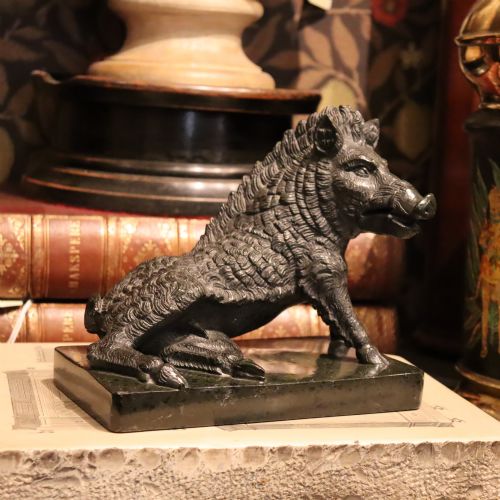
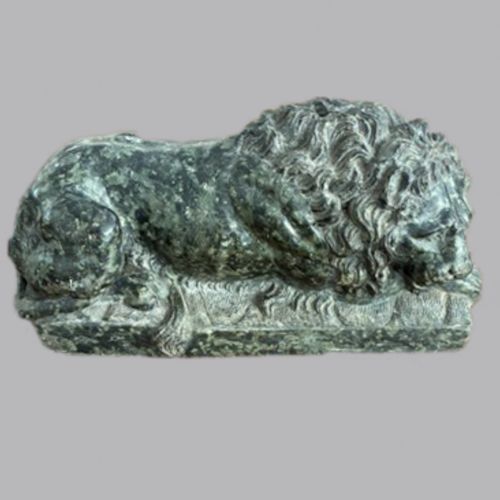
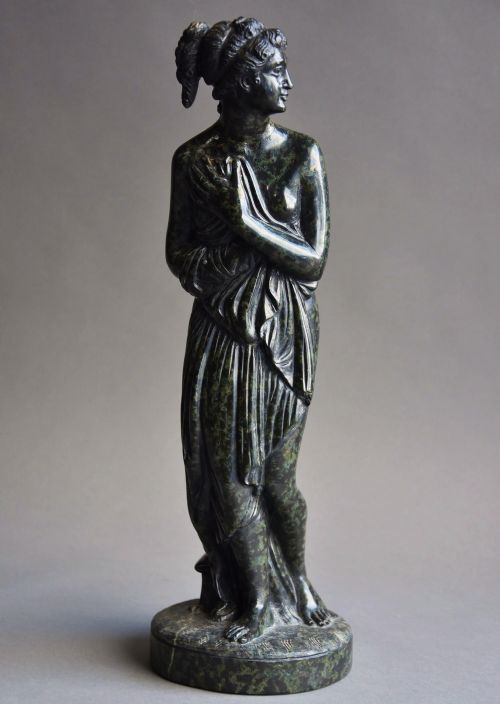
The objects take diverse forms ranging from animal figures and ecclesiastical models to obelisks and pedestals. Figures after antique sculptures, such as lions and mythological subjects, represent the most frequent sculptural interpretations seen within nineteenth-century production.
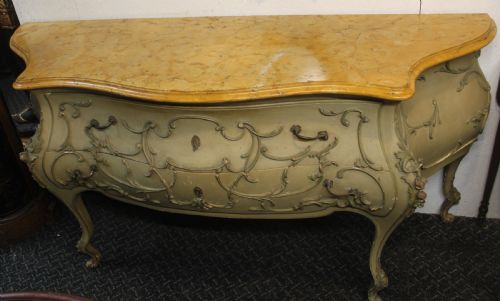
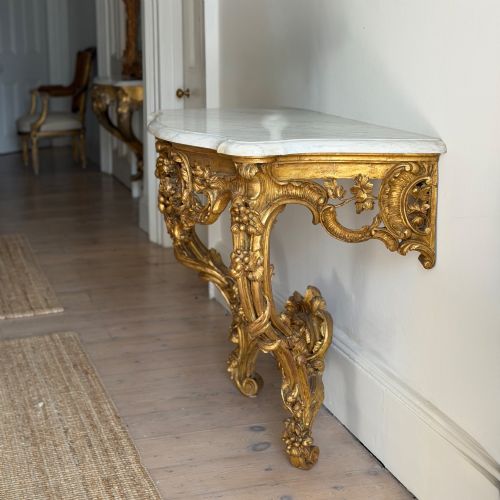
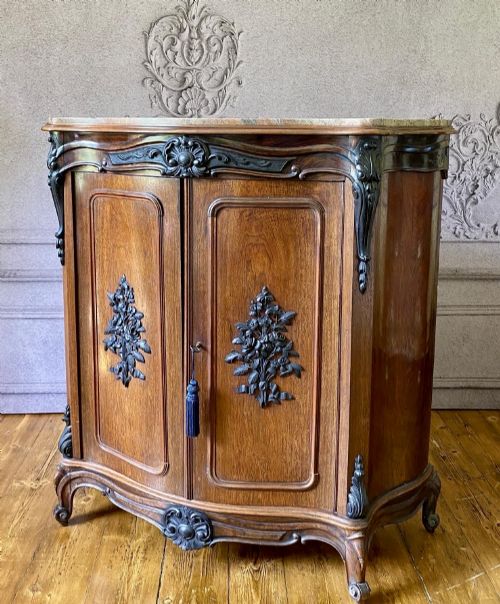
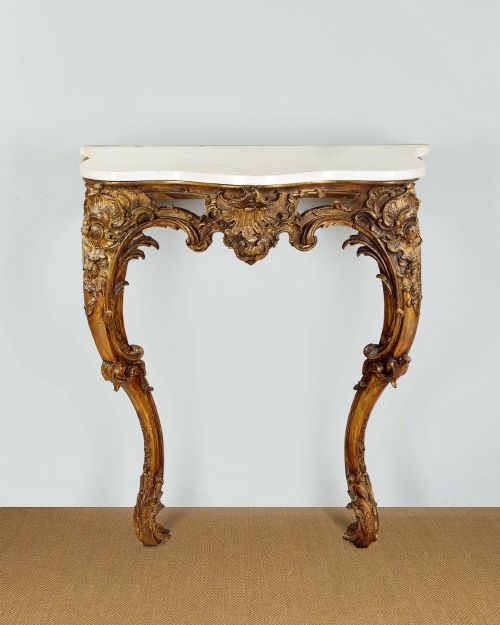
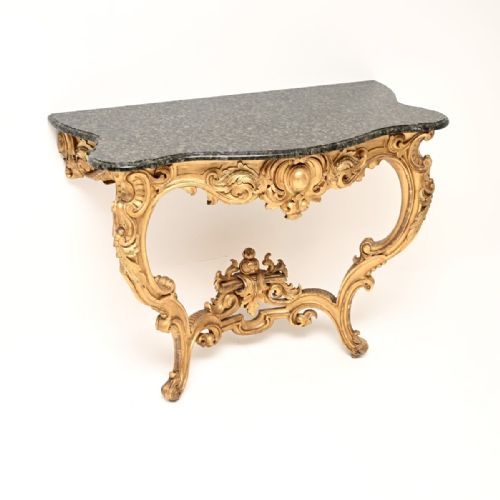
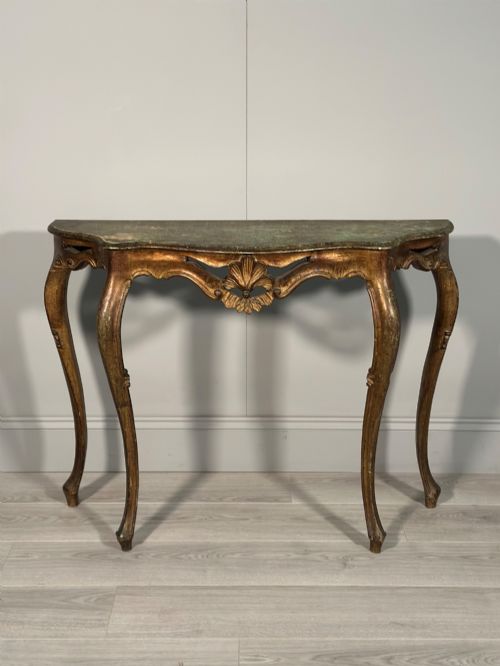
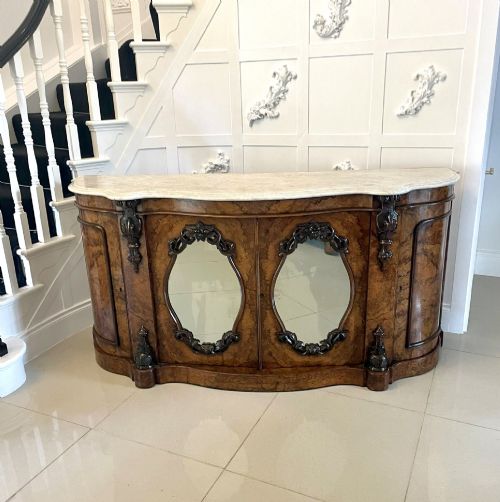
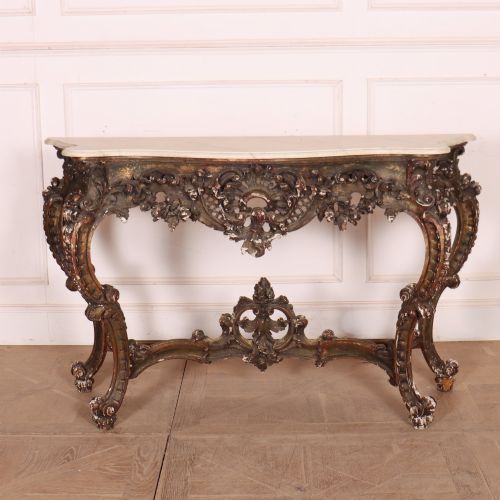
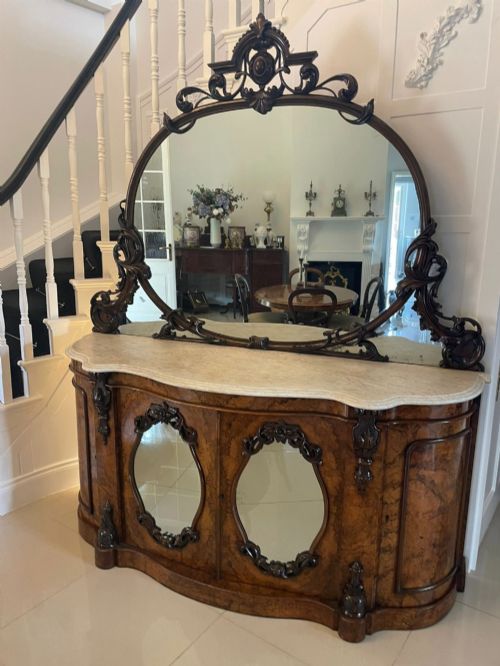
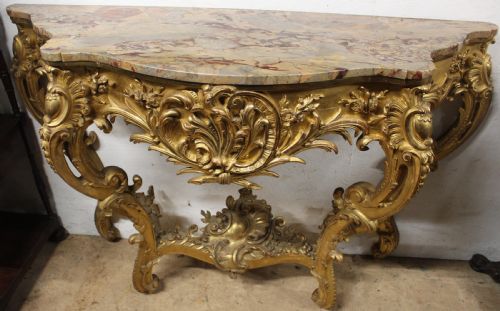
Furniture elements sharing the serpentine designation, such as commodes and console tables with undulating fronts, also appear alongside direct carvings of stone. Buyers examine these distinct categories to find either standalone sculptural ornaments or fitted architectural elements.
How they were made
Artisans carved these pieces from dense, variegated stone using manual cutting, chiselling, and polishing techniques suited to mineral formations. The varied composition of serpentine stone requires careful handling to preserve natural veining and prevent fracturing during shaping.
Works produced during the nineteenth century often utilised lathe-turning for cylindrical columns and hand-sculpting for figurative subjects like lions and human forms. Surface finishing involved abrasive rubbing to achieve the high lustre characteristic of Grand Tour souvenirs and decorative obelisks.
Serpentine Marble Carving Retail Price Guide 2026
Typical asking prices for serpentine marble carving among the pieces listed under this phrase on Sellingantiques today, from the lower quarter to the upper quarter. They describe what is for sale here now, not the wider market.
Current listings demonstrate a concentration of nineteenth-century Grand Tour items, featuring green serpentine marble models of animals and classical figures alongside neoclassical pedestals.
What varies in quality
Quality rests upon the precision of the stone carving and the fidelity of the sculptural form to its antique source. Finer examples display crisp anatomical detailing in figures and smooth, symmetrical lines in architectural models.
The visual richness of the mineral itself dictates aesthetic success, with superior pieces exhibiting striking natural colour variation and minimal structural patching. Masterful polishing enhances the depth of the veining, separating high-grade decorative carvings from simpler utilitarian stonework.
The Serpentine Marble Carving Glossary
- Serpentine marble
- A metamorphic rock composed of serpentine minerals, valued for its mottled green and red appearance and smooth finish. It takes a high polish and resembles true marble despite its different geological origins.
- Grand Tour
- A traditional cultural excursion of Europe undertaken by upper-class young men in the eighteenth and nineteenth centuries. Travellers acquired small-scale sculptures and architectural models in stone as mementos.
- Obelisk
- A tall, four-sided, narrow tapering monument which ends in a pyramid-like shape at the top. In stone carvings, these are rendered in miniature as decorative mantel or table ornaments.
- Console table
- A table supported by wall brackets or consoles, frequently featuring an undulating front and a stone top. These pieces often incorporate carved wood frames paired with marble or stone surfaces.
Serpentine Marble Carving: Frequently Asked Questions
How do I care for stone carvings?
Stone carvings require gentle dusting with a soft, dry cloth to prevent abrasion to the polished surface. Avoid using chemical cleaners, acidic substances, or excess water that might penetrate fissures in the mineral.
Placing the object away from direct heat sources and high humidity protects the stone from thermal shock. Periodic inspection ensures the base remains stable and secure.
Are these pieces from the Grand Tour?
Many nineteenth-century stone carvings originate from the Grand Tour tradition, where travellers collected miniature replicas of classical antiquities. Italian workshops specialised in producing these high-quality stone figures for foreign buyers.
Subjects ranged from mythical beasts to famous statues found in Roman and Florentine museums. These items allowed collectors to display classical taste within their home interiors.
How can I date a stone carving?
Dating relies on stylistic clues, tool marks, and the historical context of the nineteenth-century revival movements. Grand Tour pieces often align with Victorian manufacturing methods and specific classical sculpture references.
Examine the underside and finish for signs of historical hand-polishing or mechanical tooling. Comparing the subject matter to known nineteenth-century workshop catalogues aids in accurate attribution.