



Sepia Watercolour Drawing
A sepia watercolour drawing offers monochrome warmth, capturing architectural depth and delicate tonal shifts through brown pigments on paper.
Sepia Watercolour Drawing
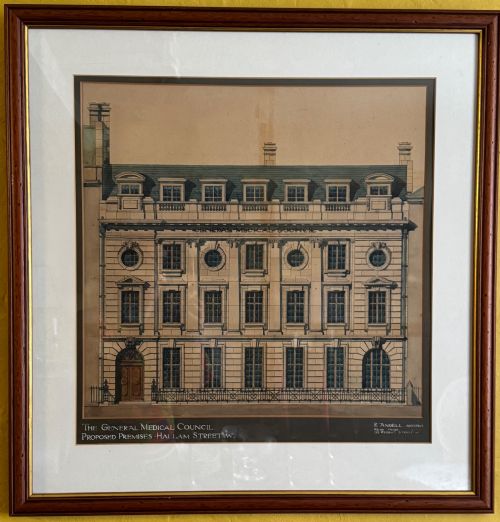
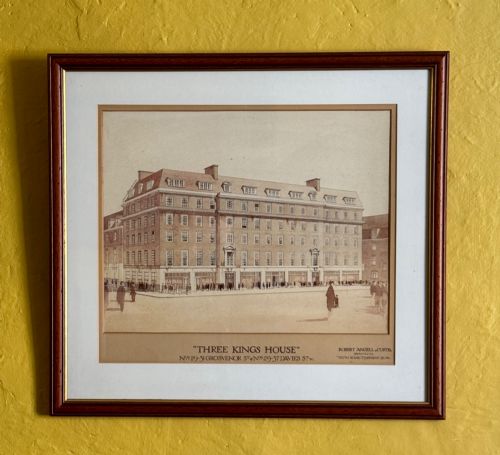
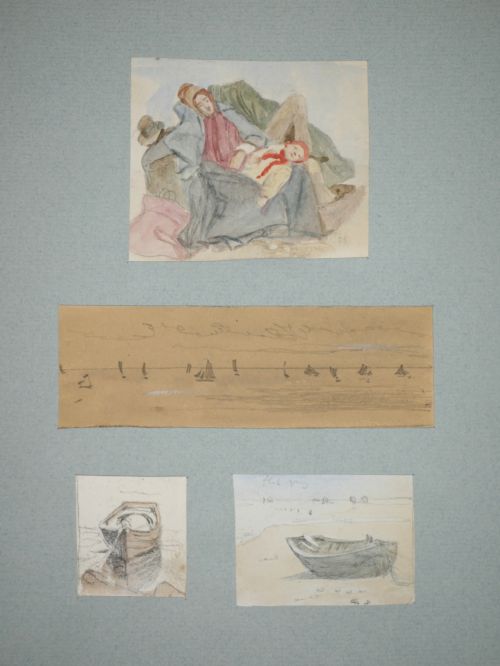
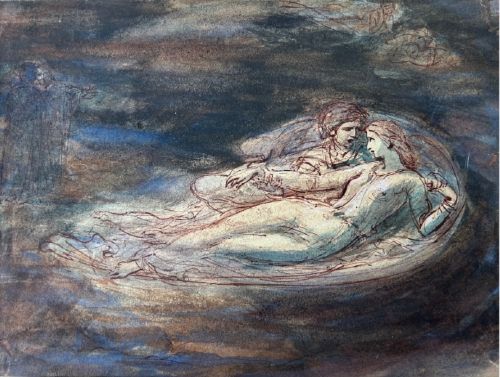
A sepia watercolour drawing combines fluid brown washes with ink and pencil on paper to record landscapes, marine scenes, and architectural subjects. These works span the Georgian, Victorian, and Edwardian eras, extending into the mid-twentieth century.
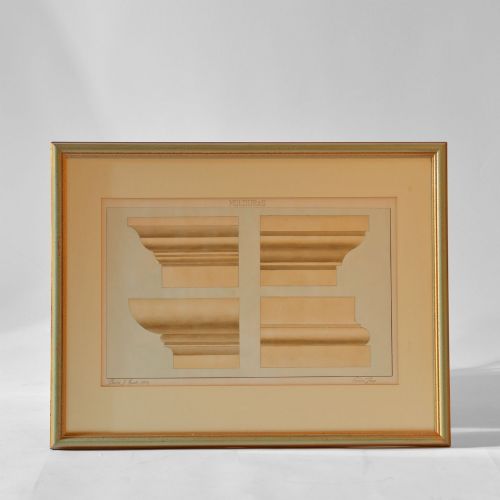
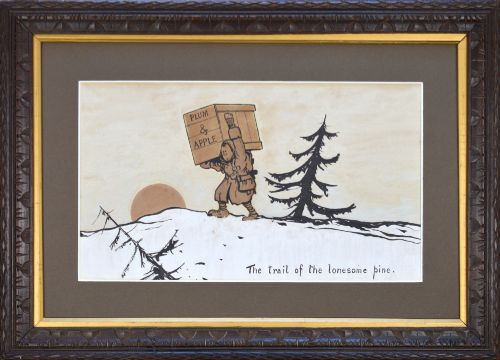
The selections on this page range from early topographical studies and townscapes to First World War illustrations and portraiture. Most pieces arrive framed in wood, giltwood, or burr frames that complement the muted monochrome palette.
How they were made
Artists built these images using watercolour and ink applied over preliminary pencil sketches on paper. The monochrome effect relies on sepia pigment, creating tonal gradation from deep brown shadows to pale cream highlights.
Framing typically involves wood or giltwood surrounds, often protected behind glass to preserve the delicate paper support from light exposure and moisture over the centuries.
Sepia Watercolour Drawing Retail Price Guide 2026
Typical asking prices for sepia watercolour drawing among the pieces listed under this phrase on Sellingantiques today, from the lower quarter to the upper quarter. They describe what is for sale here now, not the wider market.
The listings here feature works spanning from the Georgian period through the Victorian and Edwardian eras into 1940s Modern British illustration.
What varies in quality
Quality rests upon the sureness of the initial pencil line and the control of the wash. Strong draughtsmanship defines the architectural and figurative pieces, whereas weaker examples lack tonal depth and precise perspective.
The condition of the paper and the integrity of the ink also separate individual works. Tonal clarity without excessive fading distinguishes the finer items from those dimmed by time.
Bruce Bairnsfather·James Smetham·William Frederick Settle·Charles James Lauder·Thomas Rowlandson·Pio Panfili·Amos Green·Dame Laura Knight·Fred Lawson·George De Paris·Owen Bowen·John Thistle·Thomas Lound
The Sepia Watercolour Drawing Glossary
- Sepia
- A brown pigment historically derived from the ink sac of the cuttlefish. It provides the characteristic warm monochrome tone seen across these drawings.
- Wash
- A thin, fluid layer of diluted watercolour or ink spread evenly across paper. This technique establishes background depth and shadow in topographical works.
- Topographical
- Representing specific physical locations accurately, such as buildings, streets, and landscapes. Many works in this collection record distinct regional views.
- Giltwood
- Wood carved and coated with a thin layer of gold leaf or gilt paint. It is frequently utilised in the antique frames enclosing these watercolours.
Sepia Watercolour Drawing: Frequently Asked Questions
What is a sepia watercolour drawing?
A sepia watercolour drawing is an original artwork executed primarily in brown monochrome pigments, often combined with ink and pencil on paper. These pieces range from rapid architectural sketches to finished landscape paintings.
Most examples date from the eighteenth century through to the mid-twentieth century, reflecting changing British and continental artistic styles. They rely on tonal variation rather than bright colours to create form and atmosphere.
How should I frame and display them?
These works on paper require careful framing behind glass to protect the pigment and paper from dust, humidity, and direct sunlight. UV-filtering glass helps prevent the sepia tones and paper supports from fading over time.
Hang them away from direct heat sources and strong sunlight in rooms with stable humidity. Traditional wood or giltwood frames complement the historic character of nineteenth and twentieth-century drawings.
How can I tell the period?
Dating relies on the paper type, framing materials, subject matter, and stylistic conventions of the artist. Georgian and early nineteenth-century works often feature distinct laid or heavyweight handmade papers alongside expressive penwork.
Signatures, inscriptions on the reverse, and known biographical dates of artists like Thomas Rowlandson or Fred Lawson provide precise chronological anchors. Costume details in figures and architectural styles in townscapes also indicate the era of creation.
Were they preparatory studies or finished works?
Some sepia drawings served as preliminary sketches for larger oil paintings, engraved book illustrations, or architectural projects. Artists used quick washes and pencil lines to capture composition and light before committing to a final canvas.
Others were created as independent finished pieces intended for display in portfolios or frames. Both finished watercolours and rapid sketch studies hold equal collectible appeal.