


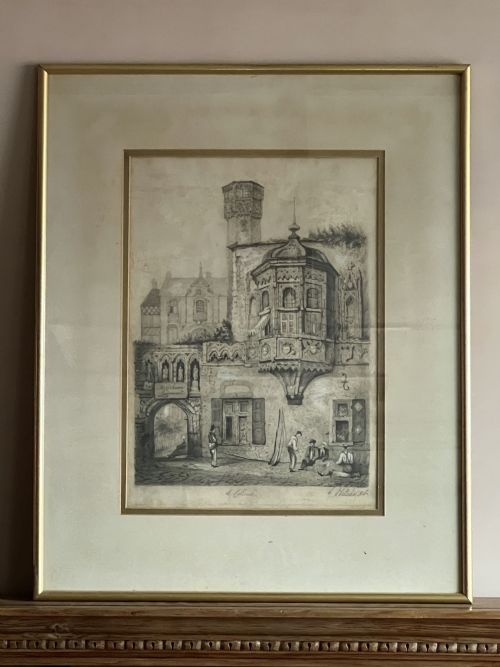


Sepia Ink Sketch
A sepia ink sketch captures line and shadow in monochrome tones, offering a direct record of an artist's hand.
Sepia Ink Sketch
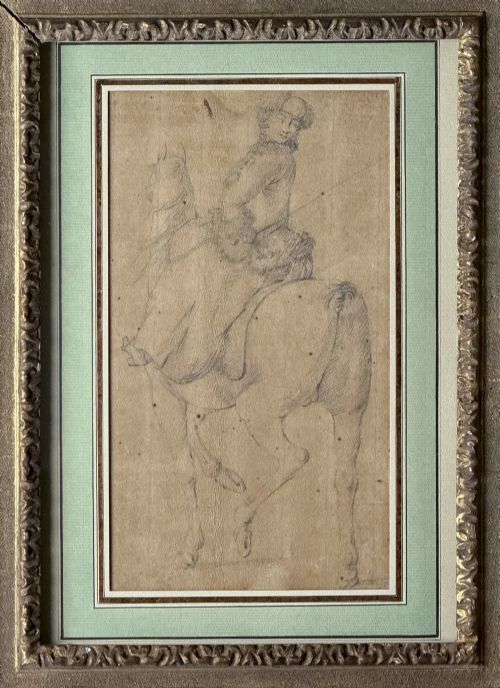
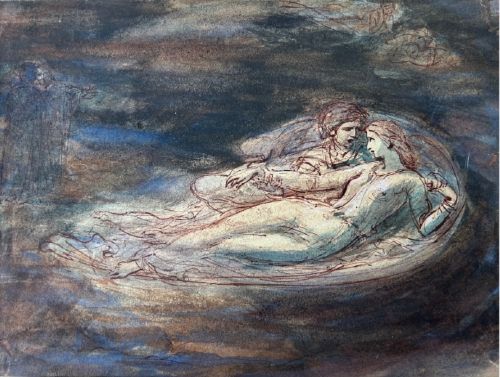
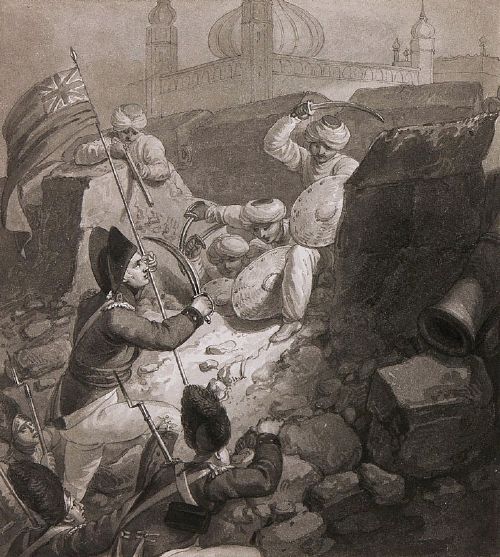
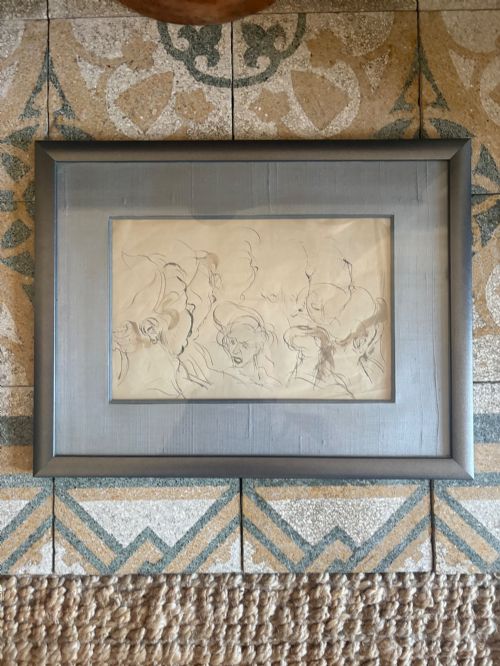
A sepia ink sketch brings together works on paper spanning the eighteenth, nineteenth, and twentieth centuries. These original drawings range from architectural studies and theatrical figures to landscape views and historical battle scenes.
Buyers will encounter framed artworks originating from British, French, and Northern European schools. The selection includes preparatory studies, townscapes, and detailed portraits created across various periods.
Pieces from this group demonstrate how artists utilised monochrome media to record observations or plan larger compositions. The surviving examples preserve the immediate touch of past draftsmen and painters.
Materials and technique
These works rely primarily on paper supports combined with ink, wash, and watercolour. Artists applied fluid media using fine pens and brushes to build depth through layered tones.
Graphite and pen lines frequently establish the foundational composition before wash or pigment is introduced. Many examples are preserved beneath glass within wood or giltwood frames.
Several drawings preserve the hesitant pencil corrections and ink splatters left behind by artists working centuries ago.
Evaluating quality
Quality rests upon the sureness of the line and the expressive control of the wash. Stronger examples reveal confident draftsmanship and purposeful handling of light and shadow.
The sophistication of the composition and the preservation of the paper surface distinguish finer works from standard student exercises or minor topographical records.
William Marshall Craig·Alfred Dehodencq·Thomas Rowlandson·Lawrence Stephen Lowry·Pio Panfili·Fred Lawson·Theobald Chartran·Henri Josephe Hesse·Thomas Monro·Thomas Lound
The Sepia Ink Sketch Glossary
- Wash
- A technique where diluted ink or watercolour is applied smoothly across paper to create tonal gradients and shadow.
- Preparatory study
- A preliminary drawing executed by an artist to plan elements of a more complex finished painting or composition.
- Monochrome
- Artwork created using a single colour or various shades of a single hue, such as sepia ink.
- Topographical
- A drawing or painting that depicts a specific real-world location, building, or landscape with descriptive accuracy.
- Giltwood
- Timber framing finished with a thin layer of gold leaf or gilt preparation.
Sepia Ink Sketch: Frequently Asked Questions
How should I hang a sepia ink sketch?
Works on paper require careful placement away from direct sunlight to prevent the ink and paper from fading over time. Maintaining stable indoor humidity levels also protects the structural integrity of the sheet.
Display the framed drawing at eye level on an interior wall using secure picture fixings suited to the weight of the timber or giltwood frame.
What is the difference between an ink sketch and a wash drawing?
An ink sketch relies primarily on defined lines and hatching executed with a pen to establish the subject. These linear marks form the core of the composition.
A wash drawing incorporates diluted pigment or ink applied with a brush to introduce soft tonal shadows and atmospheric depth alongside the drawn lines.
How can I tell the period of a drawing?
Dating relies on stylistic clues within the subject matter, costume details, and architectural elements depicted in the scene. The handling of the medium and the paper characteristics also provide context.
Signatures, inscriptions, and framing methods often offer further historical markers to help place the work within a specific century or movement.
Are these drawings original works?
The selection consists of original hand-drawn artworks rather than modern reproductions or mass-produced prints. Each piece contains the physical brushstrokes, pen lines, and ink applications made directly by the artist.
Every sheet represents a unique surviving record from the draftsman's hand, whether created as a standalone study or a preparatory drawing.