



Sepia Horse Art
Sepia horse art gathers monochromatic equine works on paper and glass, offering collectors rich tonal depictions ranging from early drawings to photographic prints.
Sepia Horse Art
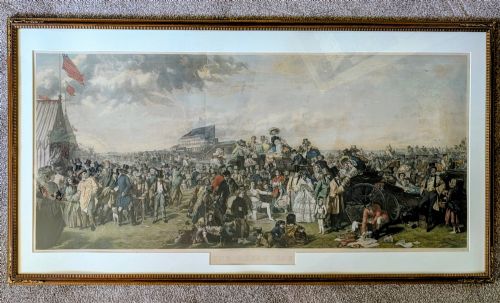
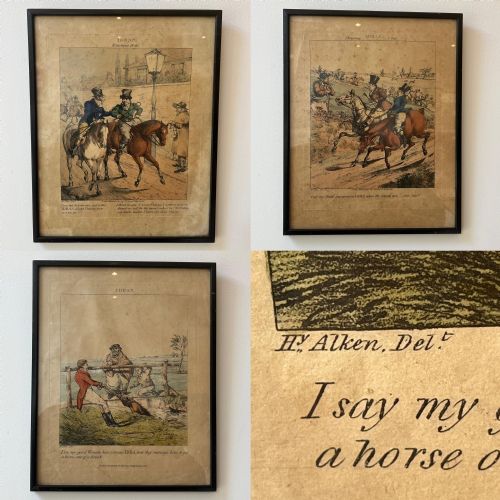
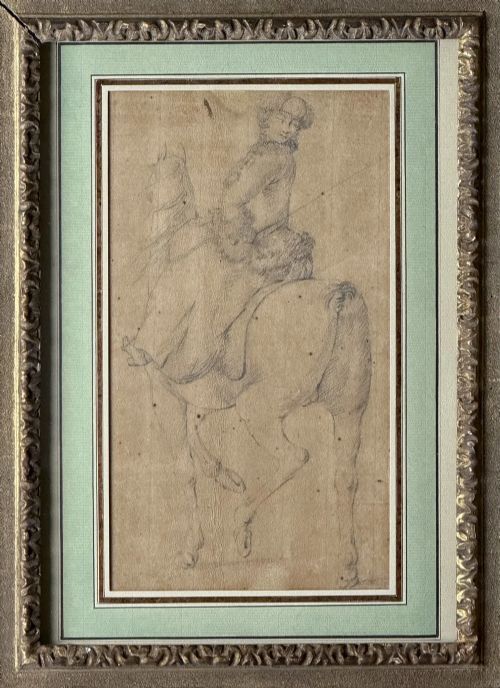
Sepia horse art encompasses works created in single-colour brown tones, spanning centuries of equestrian representation from Georgian racing subjects to mid-century hunting scenes. Buyers encounter various forms on this page, including framed drawings, watercolours, reverse glass paintings and period engravings.
The selection extends across diverse stylistic movements, incorporating Victorian equestrian prints, Regency studies and 19th-century Orientalism alongside early Northern European school drawings. Pieces frequently arrive framed and glazed, preserving delicate paper and ink surfaces from environmental damage.
How they were made
Artists utilise ink, watercolour, pencil and chalk on paper supports, often building tonal depth through layered sepia washes and fine hatching. Some compositions incorporate gold leaf accents or rely on monochrome printing techniques such as engraving and photographic reproduction.
Specialised construction methods appear in reverse glass paintings, where artisans apply silhouettes and pigments directly to the rear of the glass panel. Framing utilises wood and gilded wood mouldings, protecting the fragile media held within.
Sepia Horse Art Retail Price Guide 2026
Typical asking prices for sepia horse art among the pieces listed under this phrase on Sellingantiques today, from the lower quarter to the upper quarter. They describe what is for sale here now, not the wider market.
Creeping Molly takes a bow alongside hussars in combat and children with horses.
What varies in quality
Quality differentiates by the surety of the draughtsmanship and the expressive capture of the animal form, distinguishing practiced academic hand from mechanical output. Works bearing direct attribution to documented artists or possessing detailed provenance hold distinct status.
The preservation of the paper substrate, the stability of early pigments, and the integrity of the original framing materials dictate the overall standard of the surviving piece.
Augustin Edouart·William Powell Frith·Charles James Lauder·Michael Lyne·John Augustus Atkinson·Thomas Rowlandson
The Sepia Horse Art Glossary
- Sepia
- A brownish pigment originally derived from the ink sac of the cuttlefish, widely utilised for monochromatic drawing and wash work.
- Reverse glass painting
- An artistic technique where the image is painted directly onto the back of a glass sheet and viewed from the front.
- Engraving
- A printmaking process where an artist cuts lines into a metal plate to hold ink for transferring onto paper.
- Equestrian
- Pertaining to horseback riding or the representation of horses in art and sculpture.
Sepia Horse Art: Frequently Asked Questions
How do I care for sepia horse art?
Keep works away from direct sunlight to prevent the monochrome brown inks and watercolours from fading over time. Maintain stable indoor humidity levels to protect the antique paper supports and wooden frames.
Ensure hanging locations remain clear of excessive heat sources which can warp glass panels or dry out fragile framing adhesives.
Are these pieces original or reproductions?
The inventory includes a mixture of unique hand-drawn or painted works and period prints created through engraving or photographic processes. Each listing specifies the exact medium used by the artist or publisher.
Examining the surface under magnification helps determine whether an item is a direct ink drawing or a printed reproduction from the era.
How are periods identified on these works?
Dating relies on stylistic conventions, costume details, artist biographical dates, and framing characteristics typical of eras like the Georgian or Victorian periods. Material analysis of the paper and printing technology further confirms the era of production.
Historical subject matter, such as specific racehorses or military uniforms, provides additional chronological markers for accurate attribution.
Where were these artworks displayed historically?
Equestrian art traditionally hung in country houses, sporting estates, and metropolitan clubs associated with hunting and racing culture. Smaller drawings and silhouettes often decorated private libraries, drawing rooms, or studies.
Framed prints served both as decorative elements and as commemorations of famous racehorses and sporting achievements of the day.