



Seine River Art
Seine river art brings the timeless views of Paris and Normandy straight to your walls through historic paintings and prints.
Seine River Art
When you search for seine river art, you encounter a selection of historic paintings and prints capturing the iconic waterways of Paris and Normandy. These works range from early topographical engravings to atmospheric mid-century interpretations.
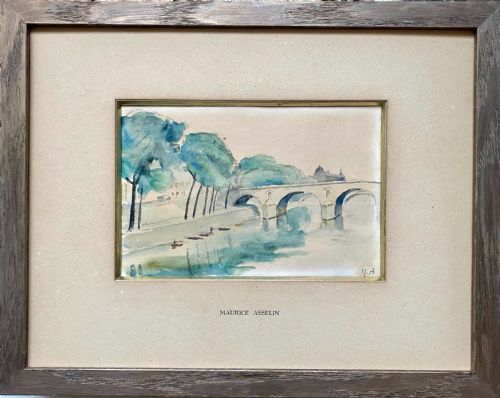
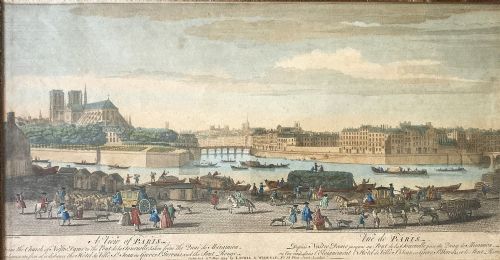
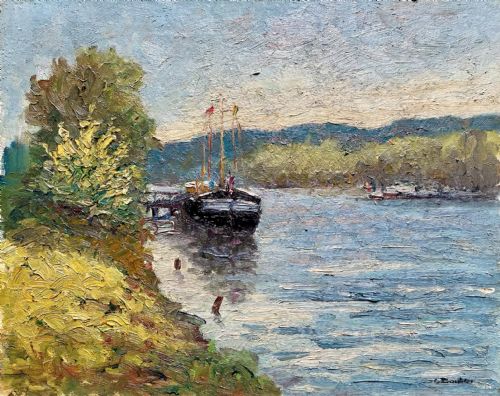
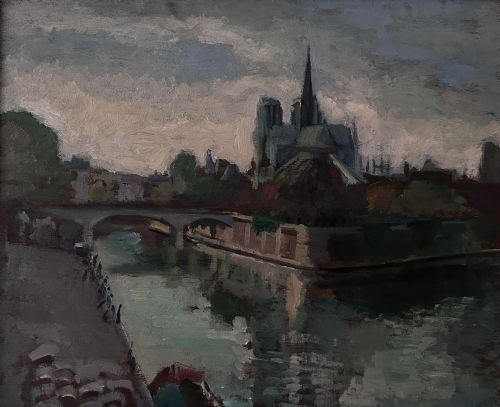
You are most likely to meet oil on canvas works produced in the twentieth century, alongside earlier eighteenth-century engravings and watercolours. The subjects focus on famous Parisian landmarks like Notre Dame, the quays, and rural river scenes.
The material styles span from Georgian and French Impressionism to Post-Impressionism and Mid-Century Modern. Each piece records a specific perspective on French river life across different eras.
Materials and construction
The primary medium recorded across these works is oil paint applied to canvas or board, utilising rich pigments to capture atmospheric light and water reflections. Several pieces also employ watercolour on paper to achieve softer, translucent river views.
Earlier examples include hand-coloured engravings on paper, which combine fine engraved lines with delicate washes of colour. Frames often incorporate wood and gold leaf, matching the traditional presentation of fine art from various centuries.
Seine River Art Retail Price Guide 2026
Typical asking prices for seine river art among the pieces listed under this phrase on Sellingantiques today, from the lower quarter to the upper quarter. They describe what is for sale here now, not the wider market.
Geographic subjects focus heavily on Paris landmarks such as Notre Dame alongside rural Normandy river scenes.
Assessing quality
Quality in these works rests upon the artist's ability to handle light and atmosphere, particularly when rendering the reflective surface of water and the expansive Parisian sky. Stronger examples demonstrate confident brushwork and a cohesive palette that anchors the composition.
The sophistication of the perspective and the historical context of the view further distinguish individual works. Original hand colouring on prints and the preservation state of the canvas or paper surface play key roles in the overall character of the piece.
Gabriel Dauchot·Ron Folland·William Grant Murray·Noel Harry Leaver
The Seine River Art Glossary
- Oil on canvas
- Pigments bound in a drying oil applied to stretched fabric. This medium allows for deep layering and textured brushwork.
- Post-Impressionism
- An artistic movement following Impressionism that extends its use of vivid colours and thick application while emphasising geometric forms or expressive content.
- Engraving
- A printmaking technique where an image is incised into a plate, holding ink to transfer fine linear details onto paper.
- Watercolour
- A painting method where paints are made of pigments suspended in a water-based solution, typically applied to paper for a translucent finish.
- Plein air
- Painting outdoors to capture the direct effects of light and atmosphere on the natural landscape.
Seine River Art: Frequently Asked Questions
What periods do these river scenes cover?
The available works span from the eighteenth century through various nineteenth-century decades and into the mid-twentieth century. Each era brings distinct stylistic approaches to depicting the French capital and its surrounding waterways.
You will find everything from early detailed topographical engravings to mid-century post-impressionist interpretations.
How should I display these artworks at home?
These paintings and prints work well in traditional and modern interiors alike, often serving as a focal point in a living room or study. Their atmospheric river views bring a sense of depth and historic character to wall spaces.
Ensure they are hung away from direct sunlight to protect sensitive watercolours and oil pigments over time.
What is the difference between oil paintings and engravings here?
Oil paintings utilise thick pigments on canvas or board to build texture, depth, and rich colour relationships. Engravings rely on precise printed lines on paper, often enhanced with hand-applied colour washes.
While oils offer tactile brushwork, engravings provide intricate linear detail of historical streetscapes.
Are these works signed by the artists?
Several pieces in this selection are attributed to named artists and carry specific mid-century or early twentieth-century dates. Others represent period views created by documented printmakers from earlier centuries.
Each listing details the specific attribution and medium recorded for that individual piece.