


Seascape Watercolour Art
Seascape watercolour art captures maritime life and coastal expanses through the fluid transparency of pigment on paper.
Seascape Watercolour Art
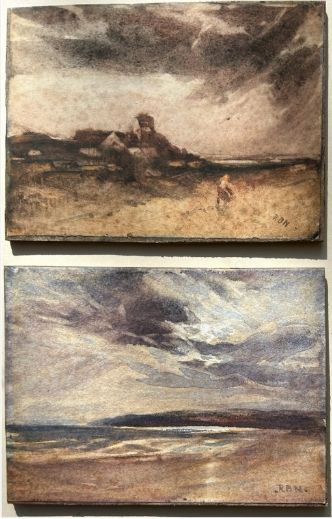
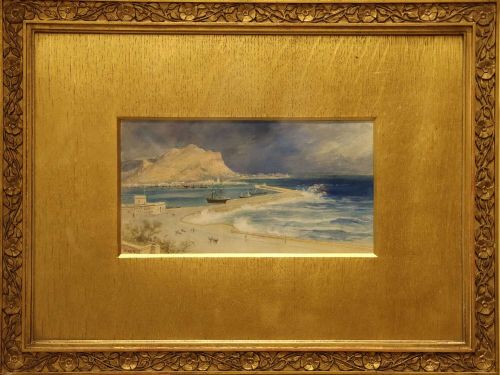
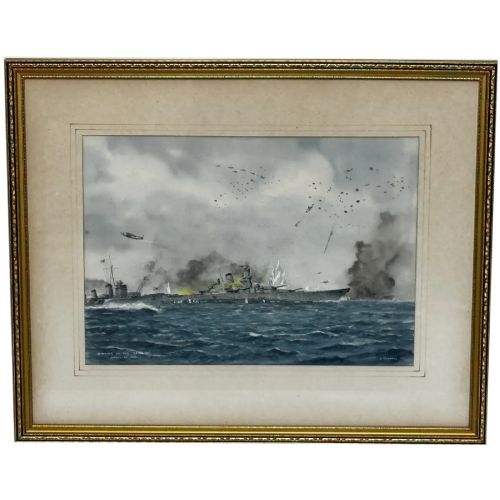
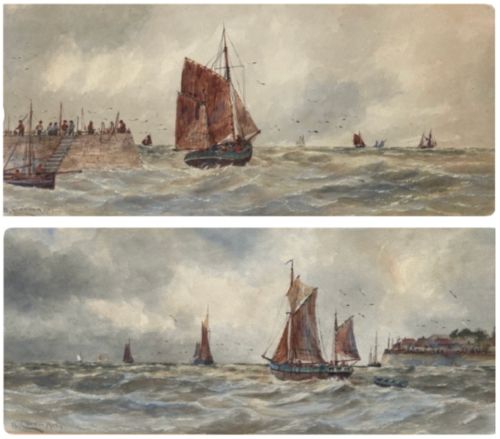
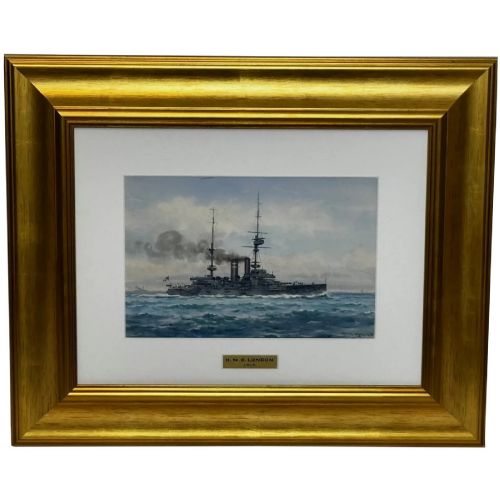
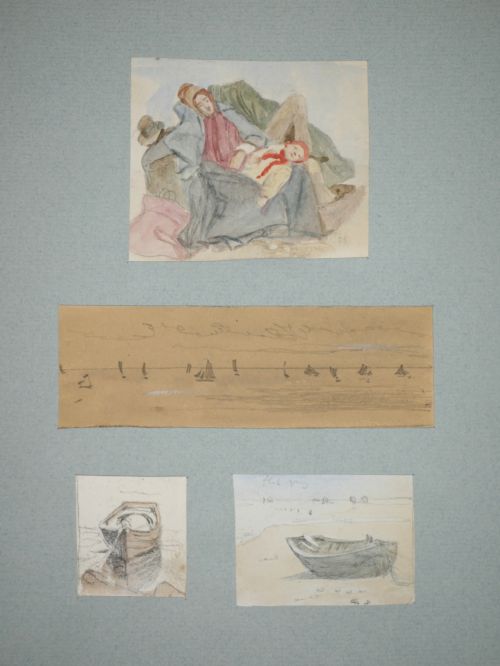
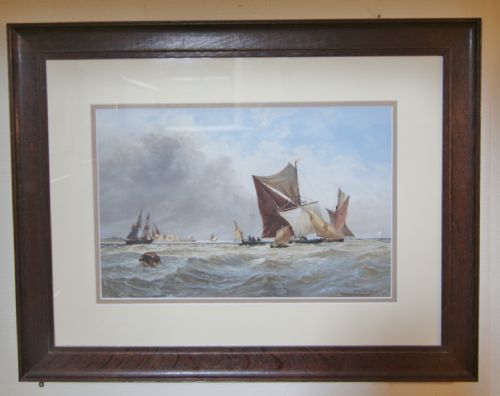
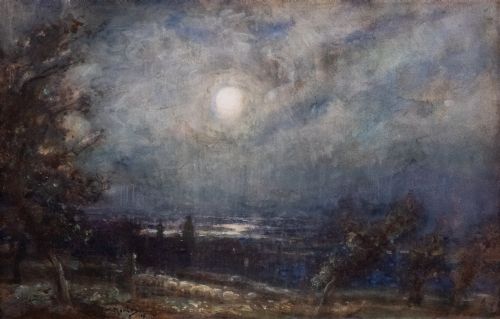
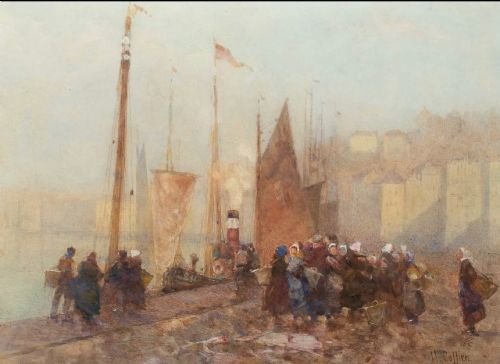
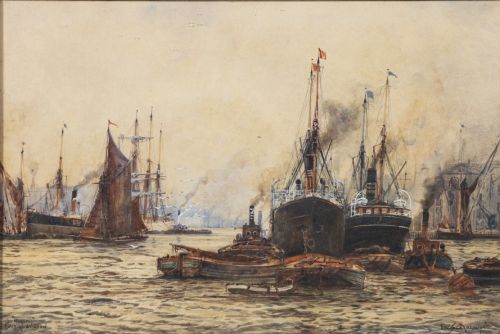
Seascape watercolour art encompasses framed paintings and works on paper depicting maritime scenes, coastal harbours, and naval subjects. Buyers typically encounter Victorian and Edwardian works alongside mid-century compositions spanning from the late nineteenth century through to the nineteen-sixties.
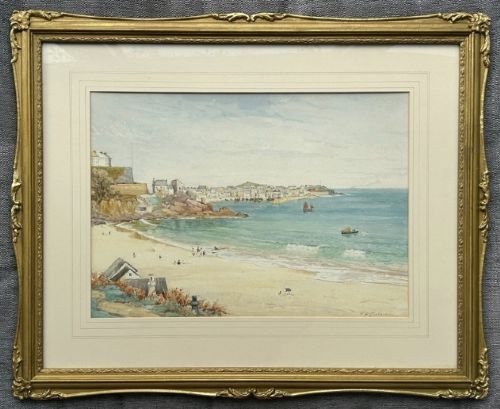
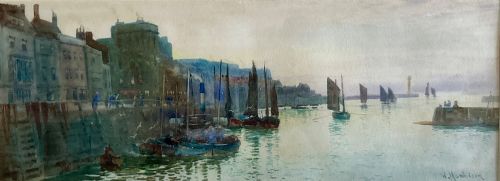
The subjects range from busy fishing ports and commercial shipping lanes to quiet coastal landscapes and dramatic naval engagements. Common regional scenes feature British coastal locations such as Whitby, Scarborough, and St Ives, alongside continental harbours in Venice, Boulogne, and Palermo.
These works appear predominantly within traditional frames protected by glass, reflecting their paper support. The category bridges fine art and topographical illustration, recording maritime history through direct observation of the sea and shore.
How they were made
Artists executed these works using watercolour pigment applied to paper supports, often building translucent washes to render the shifting qualities of sea and sky. Gum arabic was frequently added to deepen tones and impart a subtle sheen to darker passages.
Framed presentation typically involves wood mouldings, occasionally finished in gilt or gilded wood to complement the palette of the painting beneath glass. Matting boards separate the paper from the protective glazing, ensuring the delicate pigment remains preserved over time.
Seascape Watercolour Art Retail Price Guide 2026
Typical asking prices for seascape watercolour art among the pieces listed under this phrase on Sellingantiques today, from the lower quarter to the upper quarter. They describe what is for sale here now, not the wider market.
The documented periods span Victorian, Edwardian, and mid-twentieth-century eras, incorporating British Impressionism.
What varies in quality
Quality rests upon the artist's handling of light, atmosphere, and maritime architecture, where confident brushwork distinguishes skilled draughtsmanship from rigid illustration. The best examples capture the transient movement of water and weather with economy and precision.
The condition of the paper support and the stability of the pigment dictate long-term preservation, as exposure to light diminishes subtle washes. Compositional balance and the specificity of the vessel or location elevate individual works above standard topographical records.
Robert Buchan Nisbet·James Orrock·William Cannon·Eric Tufnell·William Banks Fortescue·Frank Watson Wood·Thomas William Morley·Frank William Scarbrough·Hector Caffieri·Richard Henry Wright·TB Hardy·William Matthison·George Stanfield Walters·Henry Barlow Carter·John Moxon·Lionel Horsnell·Paul Delvaux·Charles William Adderton·Richard Harry Carter·Vincenzo D Esposito·William Lee Hankey·Thomas Bush Hardy·Sir Thomas Newenham Dean·Ernest Dade·Robert Leslie Howey
The Seascape Watercolour Art Glossary
- Watercolour
- A paint consisting of pigment suspended in a water-soluble binder. It relies on the white of the paper showing through transparent washes to create luminous effects.
- Gilt Wood
- Wood carved or moulded and coated with a thin layer of gold leaf or metallic powder. It frequently frames nineteenth and early twentieth-century paintings.
- Lugger
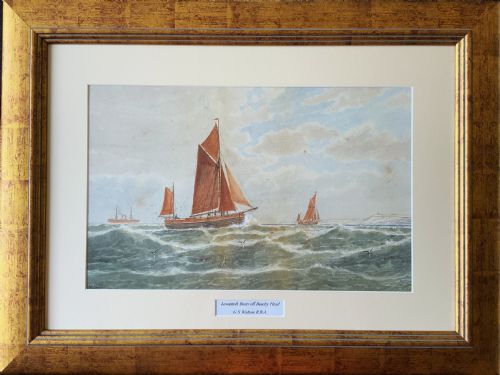
- A small traditional fishing boat rigged with lug sails. These vessels appear frequently in coastal works from Cornwall and Yorkshire.
- Works on Paper
- A collective term for artistic creations executed on paper supports, including watercolours, drawings, and sketches.
Seascape Watercolour Art: Frequently Asked Questions
What periods do these watercolours span?
The inventory spans the Victorian era through the Edwardian period into the mid-twentieth century. Most examples date from the late nineteenth century up to the nineteen-sixties.
Earlier nineteenth-century works sit alongside dated Edwardian pieces and later naval depictions. Stylistic shifts trace a path from detailed maritime documentation toward broader impressionistic interpretations.
How should I frame and hang these works?
Watercolours require framing under glass with adequate mounting space to prevent the paper surface from touching the glazing. This barrier protects the delicate pigments from atmospheric moisture and physical contact.
Display the paintings away from direct sunlight to prevent the watercolour pigments from fading over time. Consistent indoor humidity levels help preserve both the paper support and the wooden frame.
What subjects appear most frequently?
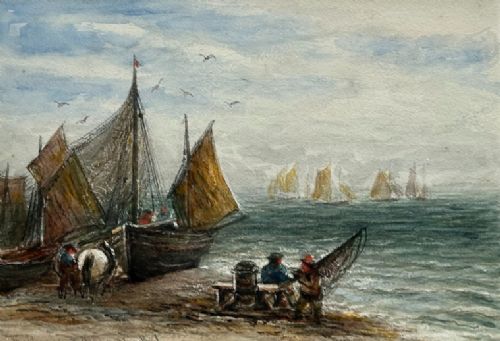
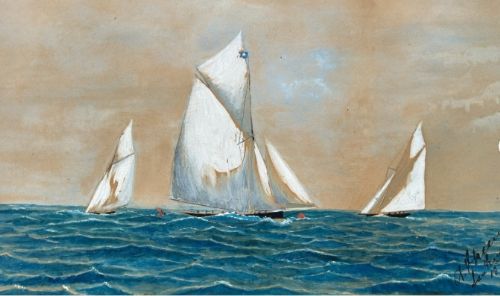
Fishing vessels, commercial shipping, and harbour scenes dominate the maritime subjects within these watercolours. Depictions range from trawling luggers navigating coastal waters to naval vessels at anchor.
Scenes capture daily maritime labour alongside lighthouses, estuaries, and open seascapes under varying atmospheric conditions. Coastal towns and rocky shores provide a recurring backdrop to the maritime traffic.