
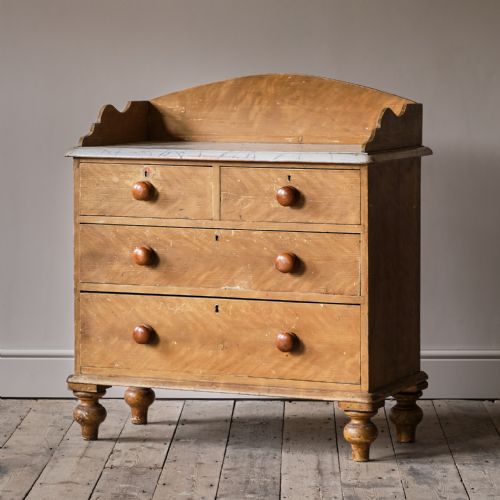
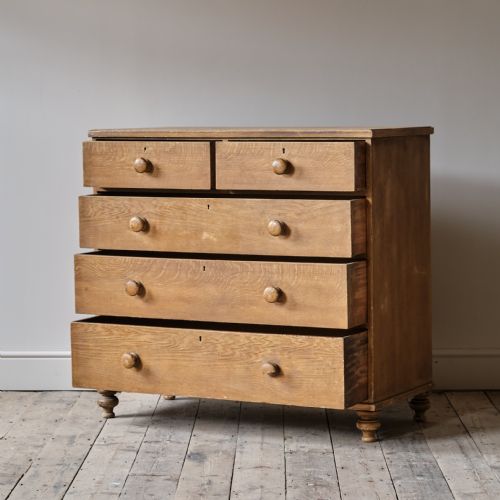
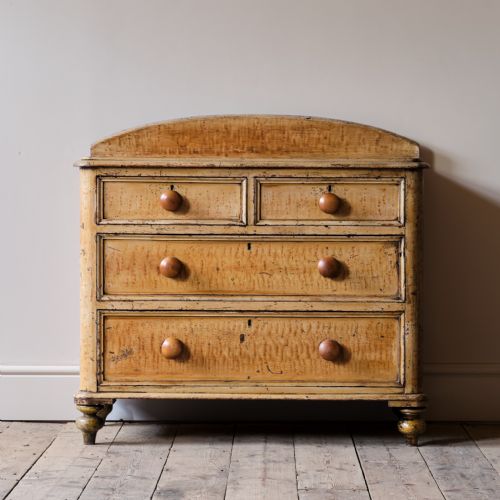
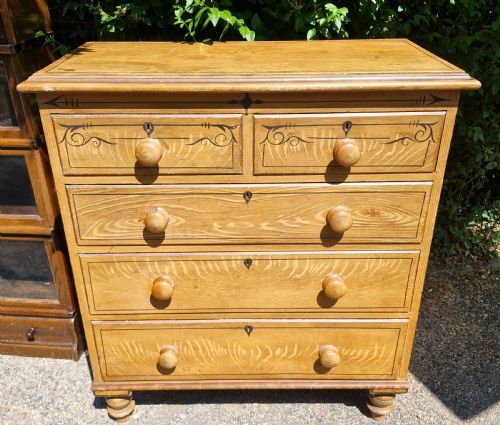
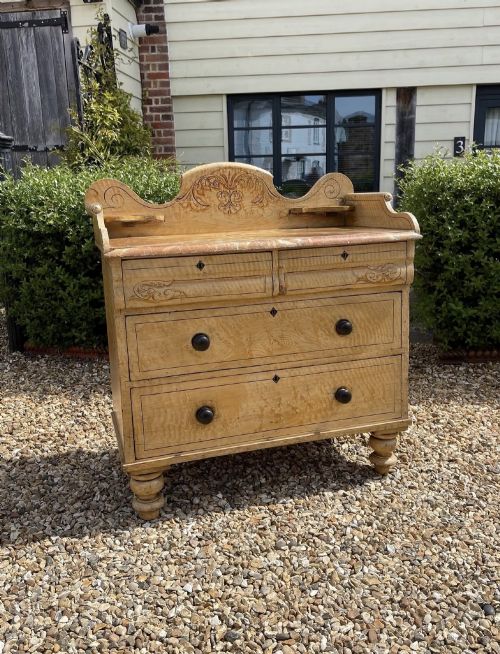
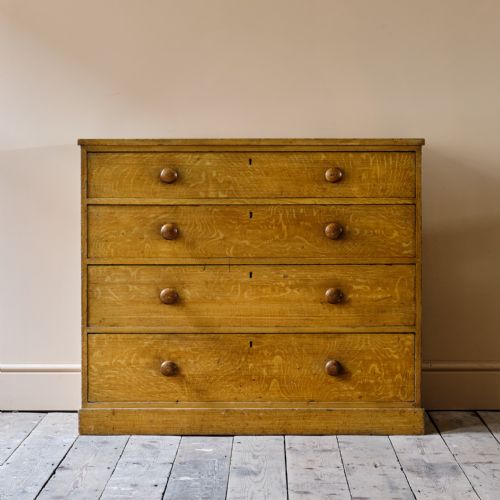


Scumble Painted Chest Drawers
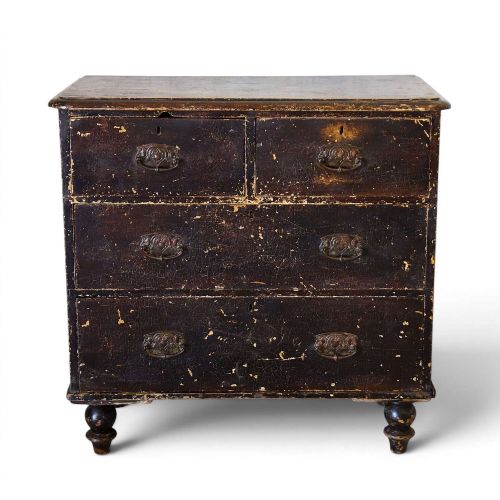
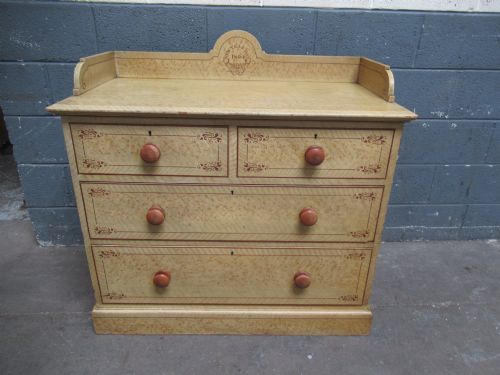
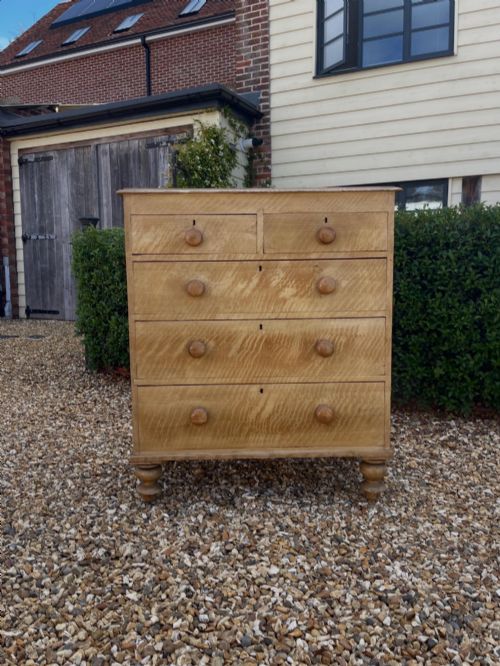
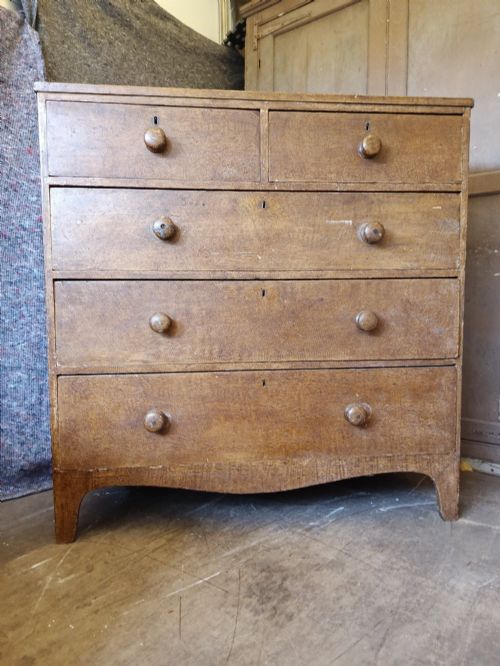
These scumble painted chest drawers bring rich tactile texture and rustic character into a room through historic brushed finishes over timber.
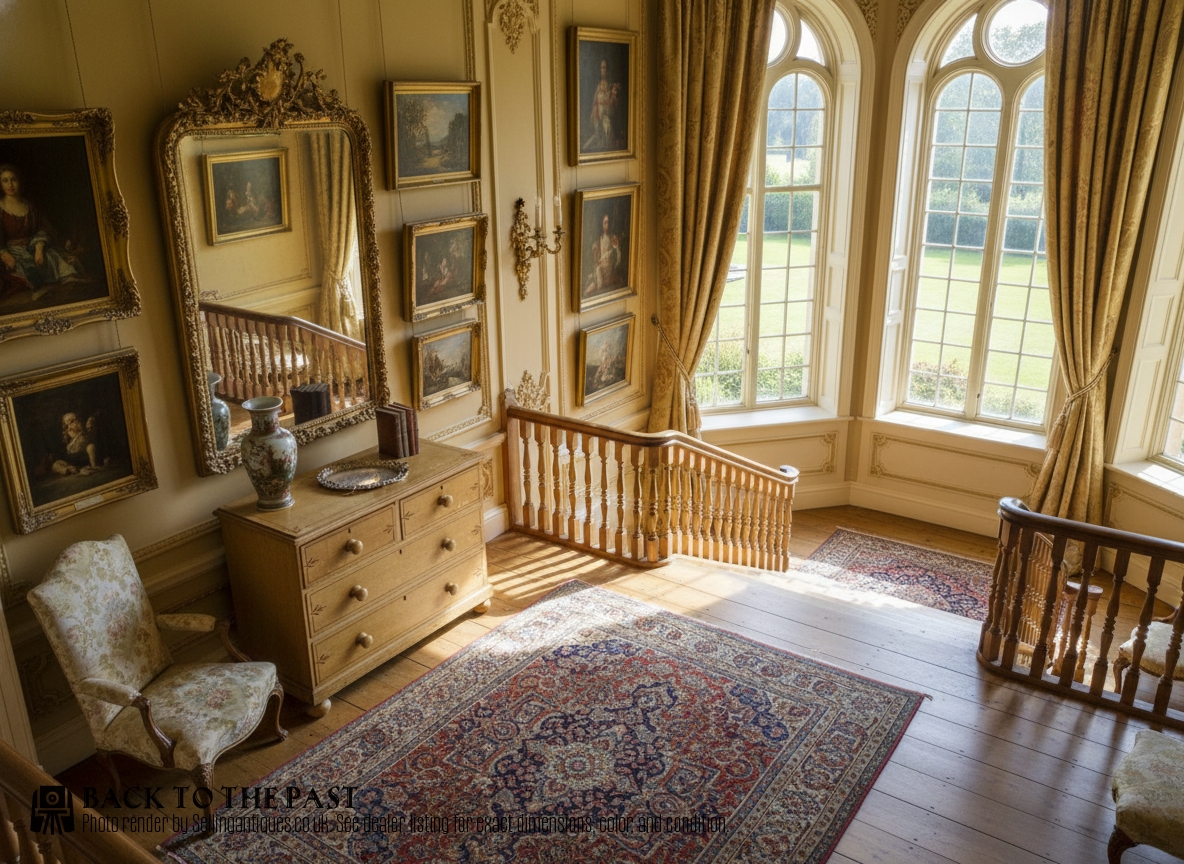
Scumble Painted Chest Drawers
Scumble painted chest drawers are practical storage units finished with decorative translucent glazes manipulated to imitate finer woods or create textured patterns. The pieces appearing here predominantly date from the nineteenth century and the Victorian era, reflecting a period when country workshops embraced painted finishes.
Most examples take the form of pine chests of drawers, washstands, dressing chests, or mule chests shaped by rural craftsmanship. Alongside standard drawer configurations, variations include Wellington chests and hybrid dressing tables featuring integrated drawers.
How they were made
Makers built these pieces primarily from solid pine, utilising timber carcasses fitted with drawers and mounted with brass, ceramic, glass, or iron hardware. The defining characteristic is the scumbled paint layer, applied as a tinted glaze over a lighter base coat and worked with combs, brushes, or rags while wet.
Surface treatments range from rich brown and green scumble glazes to folk art patterns that have survived in original condition down the centuries. This layered technique protected the underlying softwood while delivering a decorative finish suited to country houses and modest homes alike.
Some nineteenth century pine chests bear painted dates alongside their scumble finishes, left by hands that worked the glaze long ago.
What varies in quality
Quality in these painted pieces rests upon the integrity of the original surface and the skill with which the glaze was manipulated. Pieces retaining their undisturbed historic scumble paint without heavy modern intervention command greater interest from collectors.
Construction details also dictate standing, from the dovetailing of the drawers to the retention of period hardware such as brass or ceramic pulls. The harmony between the proportions of the timber carcass and the expressiveness of the brushwork defines the superior examples.
The Scumble Painted Chest Drawers Glossary
- Scumble paint
- A translucent decorative glaze applied over a base coat and manipulated with tools to create mottled or grained effects. This technique allowed ordinary pine to mimic more expensive timbers.
- Wellington chest
- A tall, narrow chest of drawers secured by a hinged locking side bar that fastens over the drawer edges. These pieces often surface with country house scumble finishes.
- Mule chest
- A storage chest fitted with one or two drawers at the base beneath the main compartment. These hybrid forms combine trunk storage with drawer accessibility.
- Washstand
- A chamber piece designed to hold a basin and jug, frequently constructed with lower drawers or a raised back. They appear here paired with original painted surfaces.
- Dovetail
- A joinery method interlocking wedge-shaped fingers to connect drawer corners securely without metal fasteners. This traditional joint indicates period construction.
Scumble Painted Chest Drawers: Frequently Asked Questions
How do I clean scumbled furniture?
Dust surfaces gently with a soft, dry cloth to prevent accumulation. Avoid abrasive cleaners or excess moisture that could lift historic paint layers.
Apply microcrystalline wax very sparingly only if the dry timber requires nourishment, testing a hidden area first to preserve the original glaze.
Are these chests strictly Victorian?
While the majority date from the Victorian era and the nineteenth century, production spans from the Regency period through to around nineteen hundred. Regional country workshops continued these decorative traditions long after urban centres moved towards polished hardwoods.
Each piece reflects the specific manufacturing decade recorded in its listing details, encompassing various rural English and Scottish interpretations.
What is brown and green scumble?
Brown and green scumble refer to the primary tint of the translucent glaze brushed over the pale pine base coat. Brown glazes typically emulated oak or walnut graining, while green pigments offered a distinctive decorative colour favoured in folk art.
Both tones aged uniquely as the oil binders matured, leaving rich patination across the drawer fronts.