




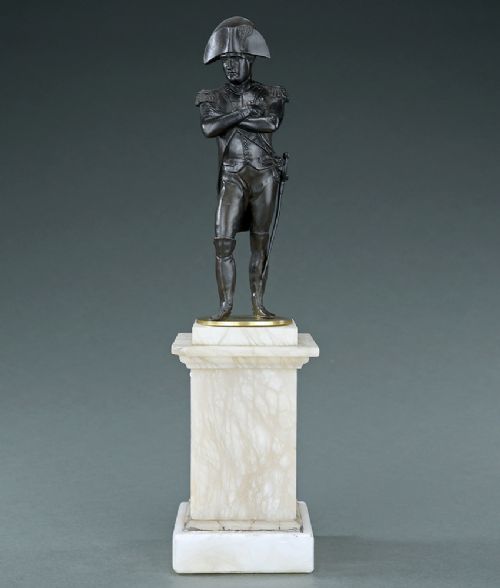

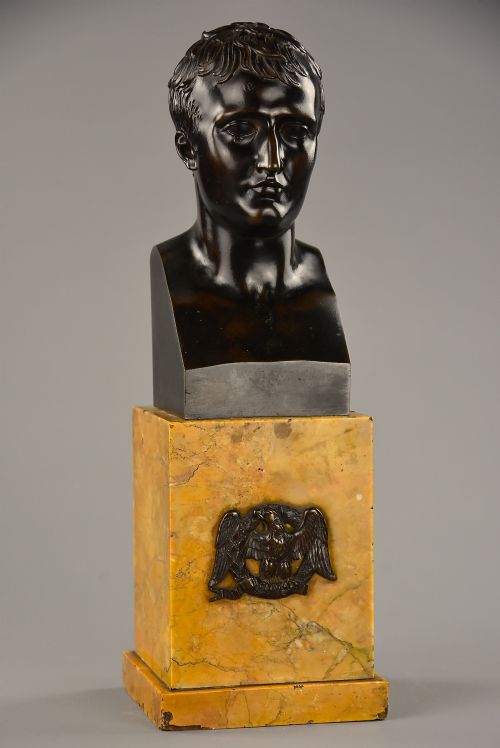
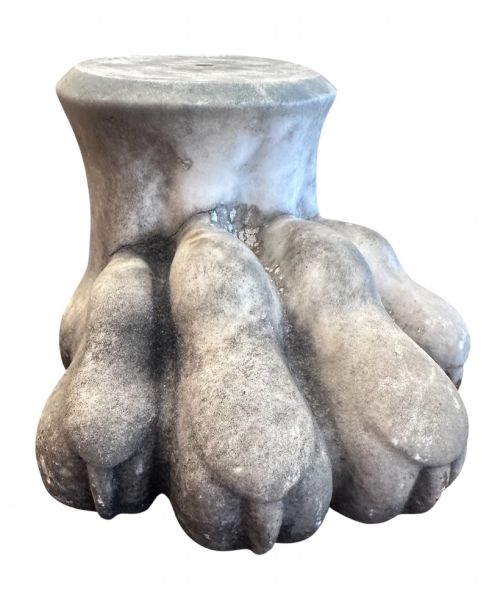


Sculpture Pedestal Base
A sculpture pedestal base lifts a bust or figure into the room, drawing the eye through height and solid material.
Sculpture Pedestal Base
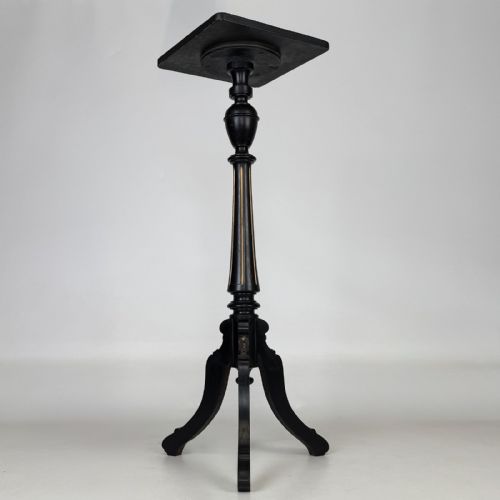
When you search for a sculpture pedestal base, you are looking at architectural supports, columns, and plant stands designed to elevate artwork. The pieces here span from the seventeenth century through the twentieth century, taking the form of marble columns, carved walnut torchieres, and ebonised wood stands.
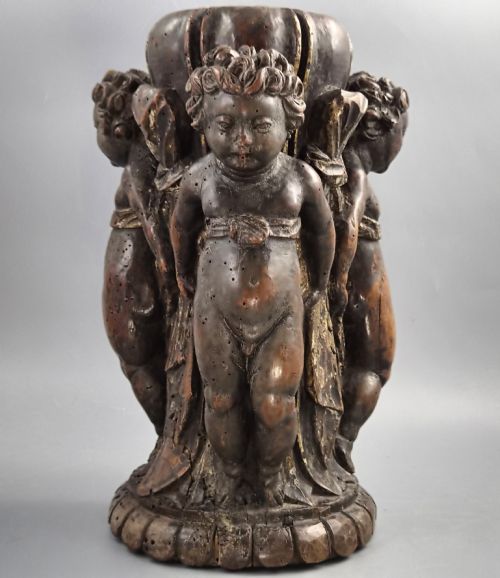
You are most likely to meet nineteenth-century examples in marble, mahogany, and bronze-mounted wood. These range from simple classical revival columns to ornate Italian baroque walnut carvings supported by putti or eagles.
The selection includes specialised sculpture mounts, such as root wood bases for bronze eagles and white socle bases paired with black marble plinths. Each form serves to frame a specific type of three-dimensional art.
Gradations in quality
The division between ordinary stands and exceptional pieces rests on the ambition of the carver and the purity of the stone. Solid marbles and deeply undercut walnut carvings represent the upper tier of execution, while simpler pine or ebonised pieces occupy a more utilitarian space.
Proportion and stability dictate the success of a design. A superior base balances the visual weight of the sculpture it carries through precise architectural scaling and harmonious material selection.
Sculpture Pedestal Base Retail Price Guide 2026
Typical asking prices for sculpture pedestal base among the pieces listed under this phrase on Sellingantiques today, from the lower quarter to the upper quarter. They describe what is for sale here now, not the wider market.
Listings feature materials spanning Carrara marble, scagliola, walnut, mahogany, bronze, and root wood across the nineteenth and twentieth centuries.
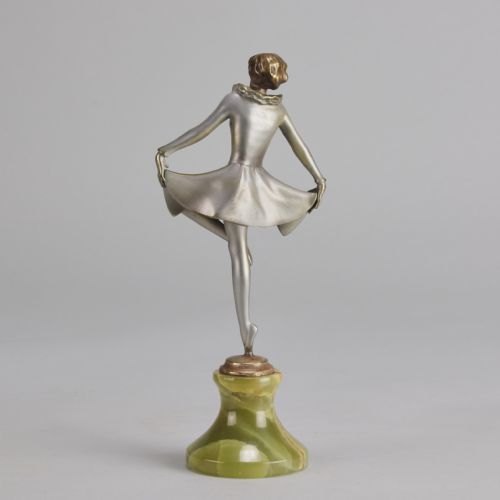
Josef Lorenzl·Emile Guillemin·Antonio Merente·Messina Roma·Willems·Gyoko·E.Villanis
The Sculpture Pedestal Base Glossary
- Torchiere
- A tall stand or floor lamp designed to hold a light source or a small sculpture. These often feature carved wooden shafts supported by figures or tripod legs.
- Scagliola
- A composite material made from selenite, glue, and pigments, mimicking the appearance of marble. Craftsmen apply and polish it to create convincing decorative columns.
- Socle
- A short plinth or pedestal used as a base for a bust or statue. It provides a stable transition between the floor and the main sculpture.
- Spelter
- A zinc alloy commonly used as a substitute for bronze in nineteenth-century figures and bases. It is often given a bronze-like patina to simulate heavier metal.
- Putti
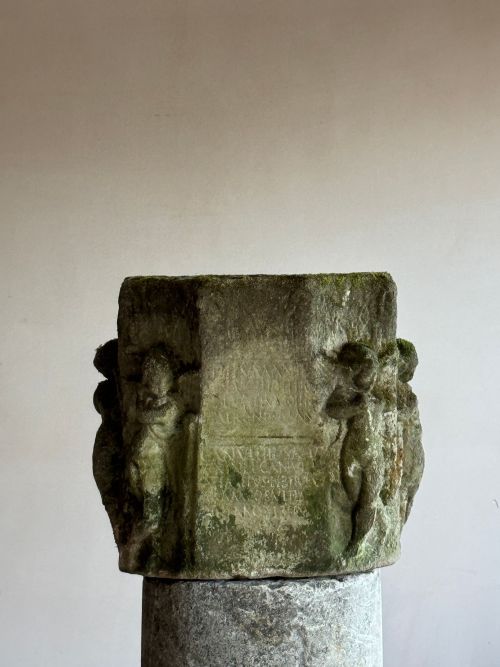
- Depictions of chubby male infants, frequently used in Italian baroque and neoclassical wood carvings. They appear clustered around column shafts and console tables.
Sculpture Pedestal Base: Frequently Asked Questions
What fits on a sculpture pedestal base?
These bases accommodate bronze busts, marble statuary, and carved figures. The top surface area determines whether a small cabinet bronze or a life-size bust can rest securely.
Weight distribution matters as much as surface dimensions. Heavy marble and cast bronze pieces require sturdy columns and weighted timber stands to prevent tipping.
How do I identify a neoclassical base?
Neoclassical pieces draw inspiration from ancient Greek and Roman architecture. Look for fluted columns, strict symmetry, and restrained decorative motifs.
Materials like white statuary marble and ebonised wood often signal this revival style, particularly in nineteenth-century examples designed to mimic antiquity.
Where should I place a torchiere base?
A torchiere base functions best in corners or alongside seating areas where its vertical form can draw the eye upward. These pieces naturally anchor empty wall spaces.
Ensure the surrounding floor is level to maintain stability, especially when placing heavier walnut or carved wood stands on wooden floorboards.
Are marble columns waterproof?
Natural marble resists moisture better than unsealed wood, making it suitable for plant stands and conservatory displays. However, standing water can still stain porous stone.
Using a protective liner beneath plants prevents water rings and mineral deposits from etching the polished marble surface over time.