


Scrolling Wood Mirror
A scrolling wood mirror brings fluid, carved movement to a room, catching light through centuries of polished glass and timber.
Scrolling Wood Mirror
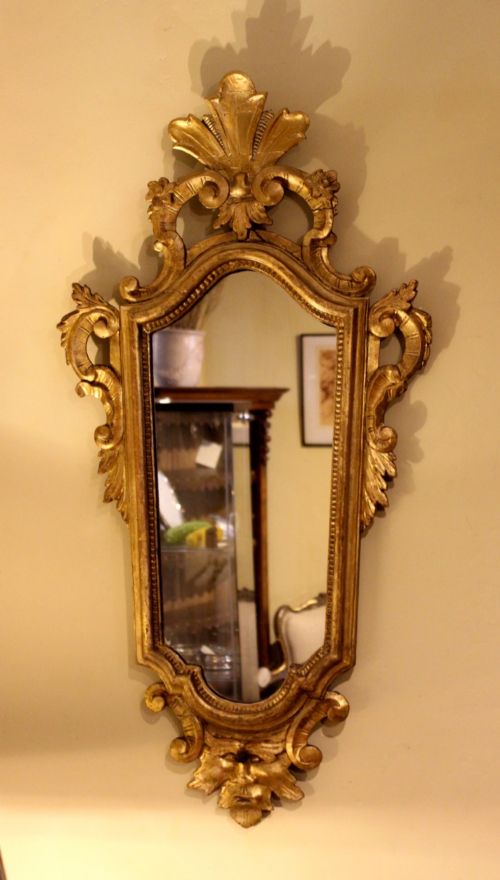
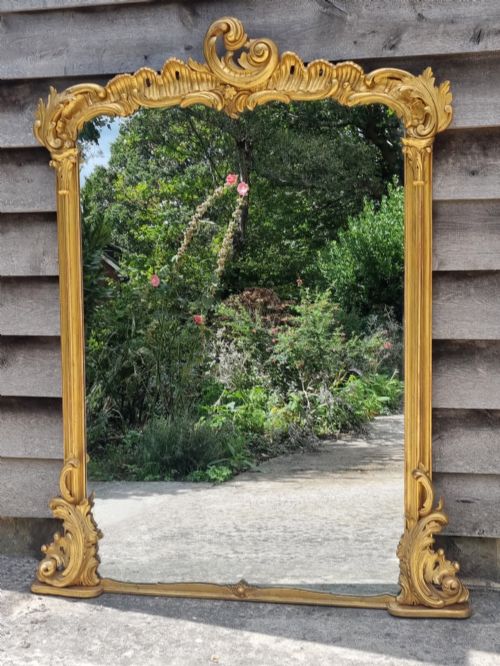
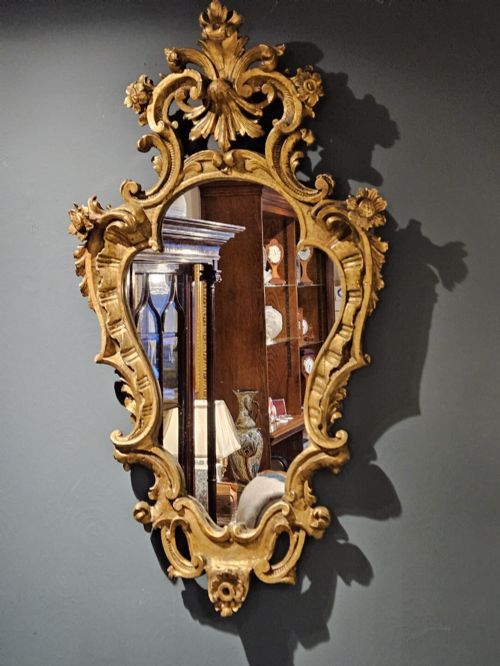
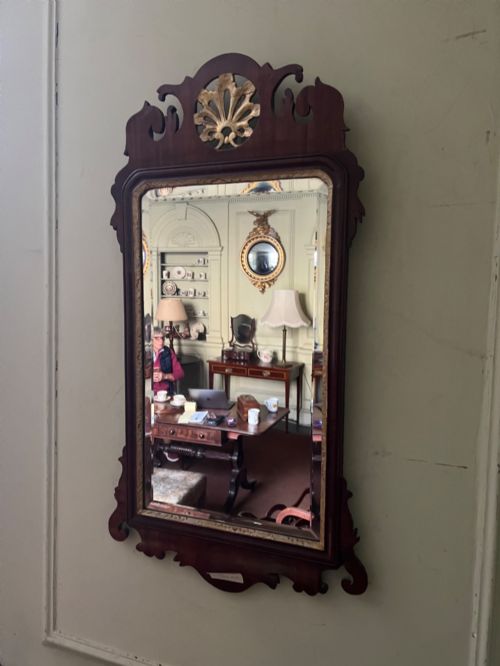
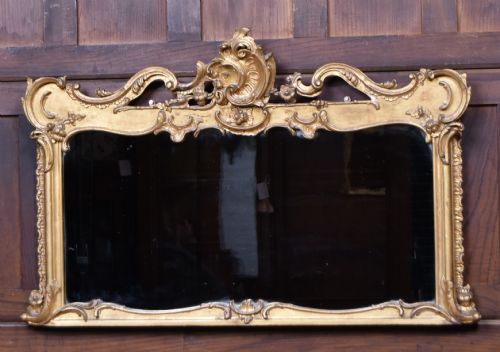
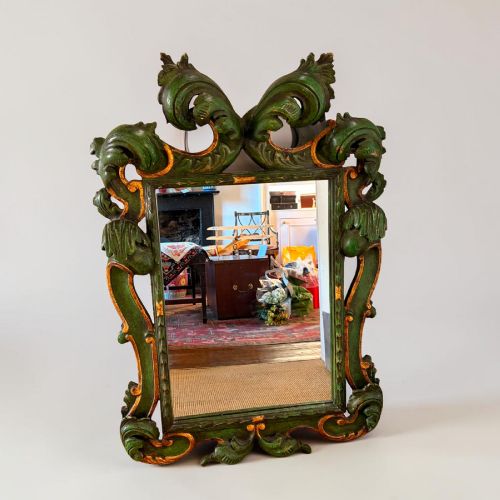
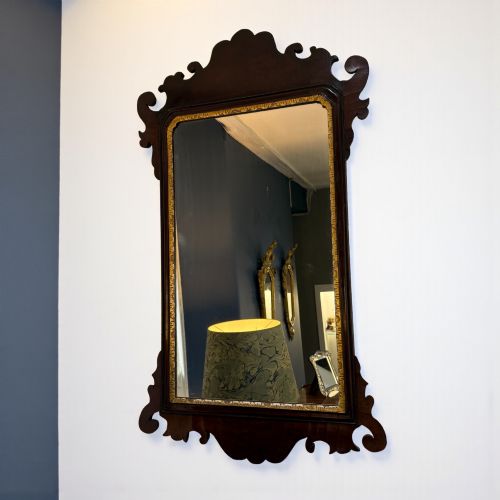
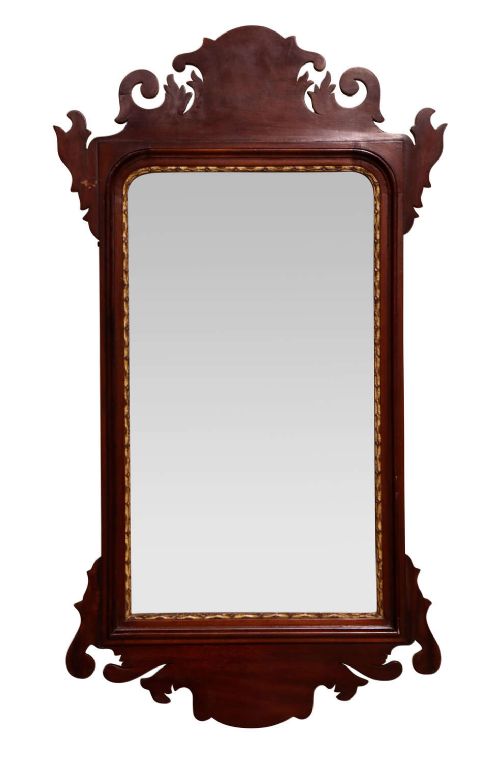
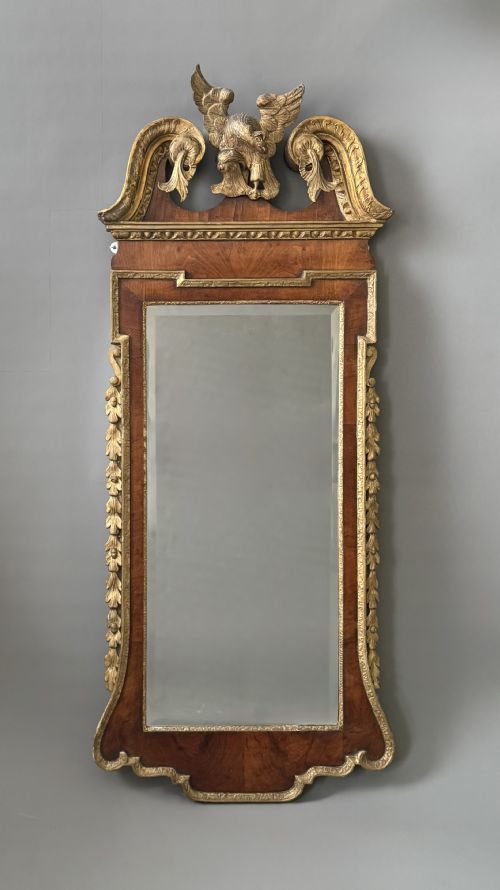
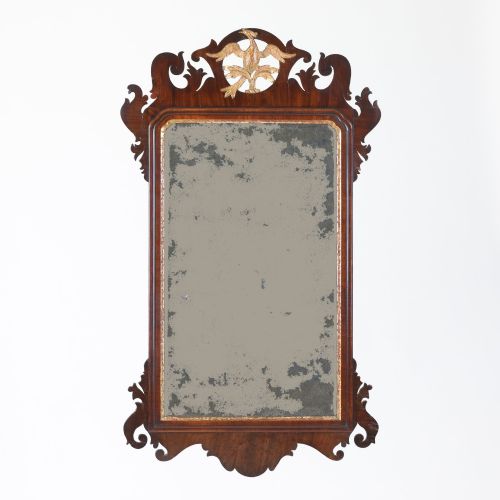
A scrolling wood mirror draws the eye through intricate, curving frames designed to reflect light and anchor a room's decor. Buyers seeking a scrolling wood mirror encounter wall-mounted pieces, overmantels, and pier glasses spanning the Georgian, Victorian, and twentieth-century periods. Mahogany and giltwood dominate the selection, often carrying the perforated fretwork characteristic of Chippendale and Rococo revivals.
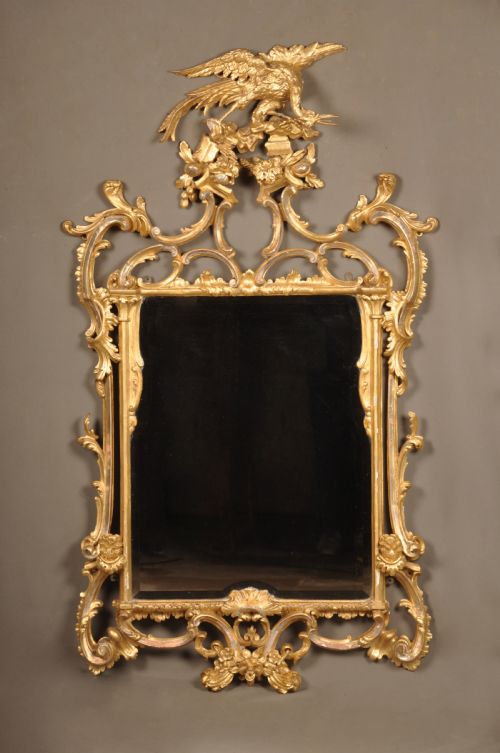
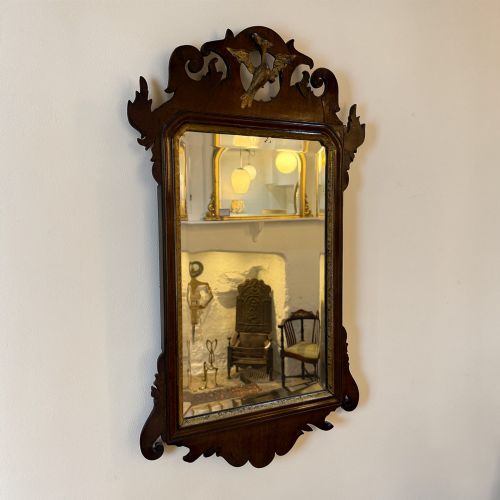
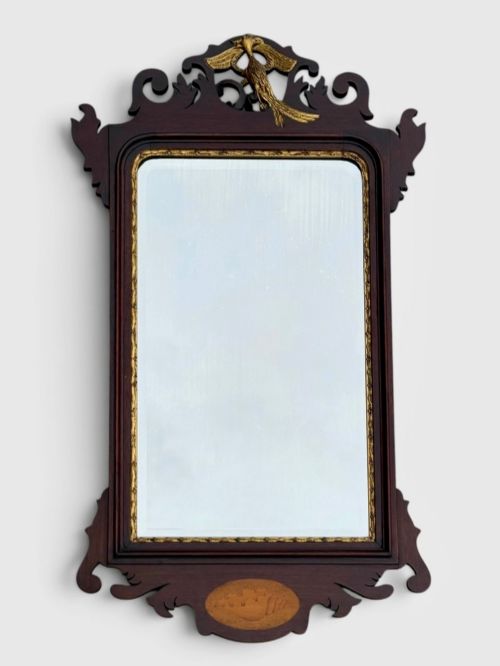
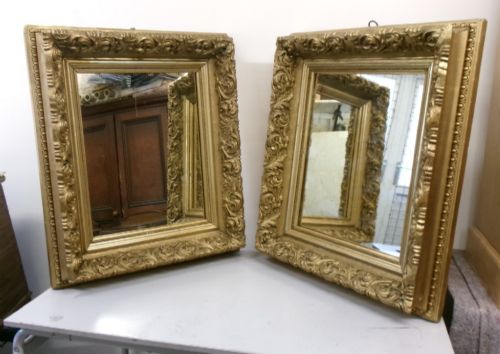
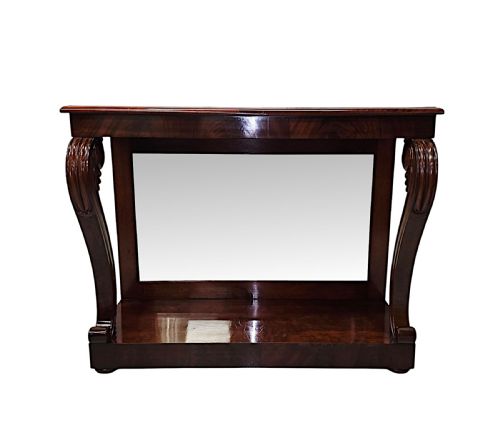
The most common examples on this page are Georgian and Victorian mahogany fret-cut wall mirrors, alongside giltwood pieces influenced by Italian Rococo designs. These frames frequently incorporate scrolling pediments, gilded ho-ho birds, and shaped aprons at the base. Overmantels and larger console mirrors also appear, offering grander scale for drawing rooms and hallways.
Materials and construction
Craftsmen built these frames from dense hardwoods such as mahogany and walnut, selected for their stability under intricate fret-cutting. Pierced decoration was hand-sawn from thin timber boards, following drawn paper patterns applied directly to the wood. Parcel-gilt details and full giltwood frames relied on thin layers of gold leaf or silver leaf applied over gesso preparations on carved wooden bases.
Mirror plates were historically hand-silvered, often showing bevelled edges or the subtle distortions inherent in early glass manufacture. Backboards of plain pine or deal were secured with handmade brass pins or dropped into rebates held by wooden blocks. Carved elements like scrolling leaves, rosettes, and crests were either worked directly from the solid frame timber or applied separately.
Scrolling Wood Mirror Retail Price Guide 2026
Typical asking prices for scrolling wood mirror among the pieces listed under this phrase on Sellingantiques today, from the lower quarter to the upper quarter. They describe what is for sale here now, not the wider market.
One listed mirror once belonged to a 19th-century American general named Meigs.
Distinctions in quality
Quality rests in the crispness of the hand-carved details and the depth of the timber grain. Finer frames display sharp, undercut scrolling and precisely pierced fretwork rather than soft, rounded edges or cast composition ornament. The integration of parcel-gilt highlights and the survival of original mirror plates with authentic foxing elevate a piece.
Construction integrity separates standard workshop output from exceptional cabinet work. Superior mirrors retain original backing boards, stable frame joints without excessive shrinkage cracks, and original gilding surfaces untouched by later overzealous paint restoration. The proportion of the scrollwork to the mirror plate dictates the visual balance of the entire object.
The Scrolling Wood Mirror Glossary
- Fretwork
- Openwork ornamentation cut from a thin board using a fretsaw. This technique creates intricate geometric or scrolling patterns common on Georgian frames.
- Giltwood
- Timber carved and coated with gold leaf applied over a fine plaster gesso ground. It provides a brilliant metallic finish that catches interior candlelight and daylight.
- Gesso
- A plaster mixture applied to wood frames to create a smooth surface for gilding. Carvers incised fine details directly into this layer before applying gold leaf.
- Pier Glass
- A tall mirror designed to hang on the wall between windows, often placed above a matching console table or pier table.
- Parcel-Gilt
- Partially gilded decoration where selected carved details, such as scrolling edges or crests, are covered in gold leaf while the underlying wood remains visible.
Scrolling Wood Mirror: Frequently Asked Questions
How do I hang a heavy scrolling wood mirror safely?
Heavy carved frames require robust wall fixings secured directly into masonry or solid wooden studs rather than plasterboard alone. Professional mirror hangers utilise two-point hanging systems with split battens or heavy-duty D-rings to distribute the weight evenly.
Ensure the hanging wire or chain has adequate load capacity and that the mirror frame's structural joints take the suspension strain without pulling the top corners apart.
What is a ho-ho bird on a mirror?
A ho-ho bird is a stylized Chinese phoenix motif frequently carved into the scrolling crests of eighteenth-century and revival mirrors. It symbolises virtue and grace, appearing prominently atop Chippendale-style fretwork frames.
These birds were often hand-carved separately and applied to the central apex of the scrolling pediment, making their survival important for authenticity.
How do I distinguish an 18th-century mirror from a Victorian revival?
Eighteenth-century mirrors exhibit hand-cut dovetails, older secondary woods like pine or oak behind mahogany, and hand-beveled glass with natural oxidation. The tool marks left by saws and chisels on the reverse provide clues to period manufacture.
Victorian revival pieces from the late nineteenth century often use machine-cut elements, newer mirror plates, and standardised hardware while closely imitating earlier Georgian scrolling styles.