



Scottish Victorian Seating
These pieces of scottish victorian seating bring rugged character and historic presence to an interior, built for grand halls and country houses.
Scottish Victorian Seating
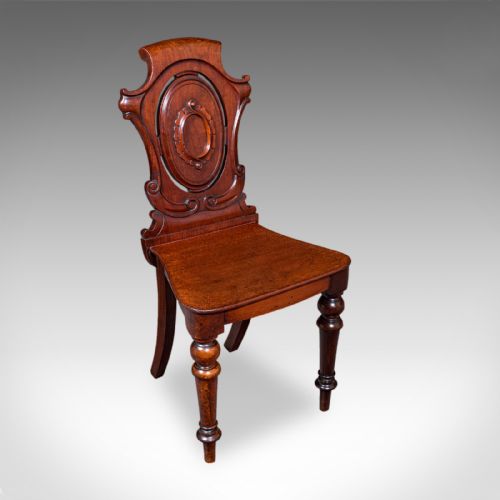
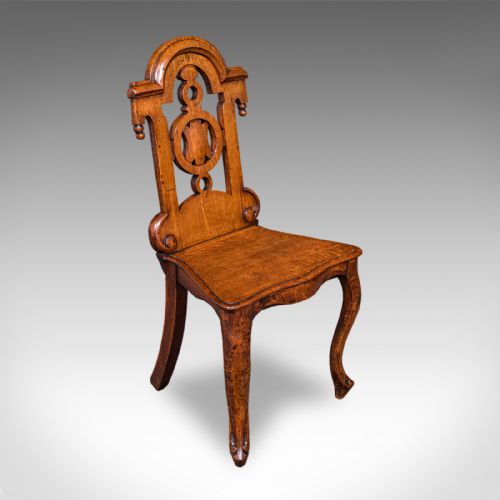
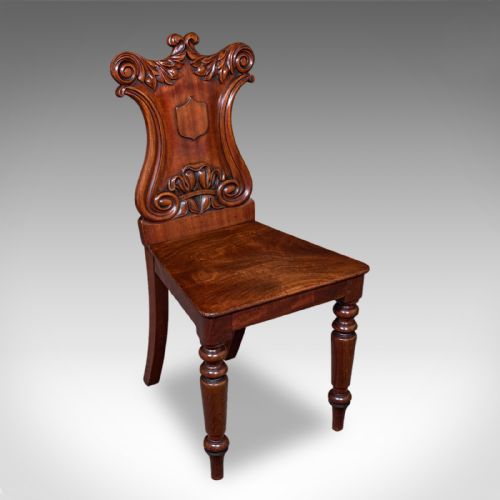
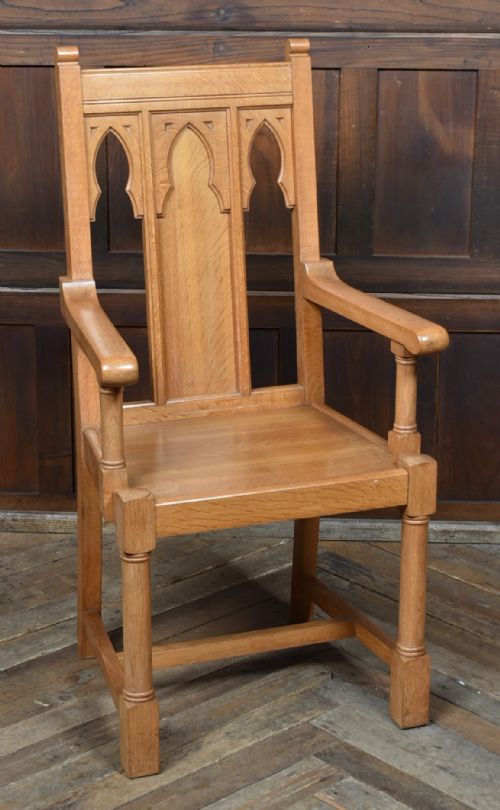
You are most likely to meet oak and walnut examples influenced by Gothic Revival and Scottish Baronial styles. These forms range from shield back hall chairs to heavily carved baronial settles and throne chairs intended to anchor a room.
The regional character shows in solid construction and architectural detailing, reflecting the tastes of Scottish estate owners and urban law chambers. Alongside functional seating, the listings occasionally include related works such as period oil paintings that complete a country house interior.
How they were made
Makers utilised dense timbers such as oak, mahogany, and walnut to build these substantial frames. Woodworkers employed traditional joinery methods, often combining carved ornamentation with structural bracing to support heavy daily use.
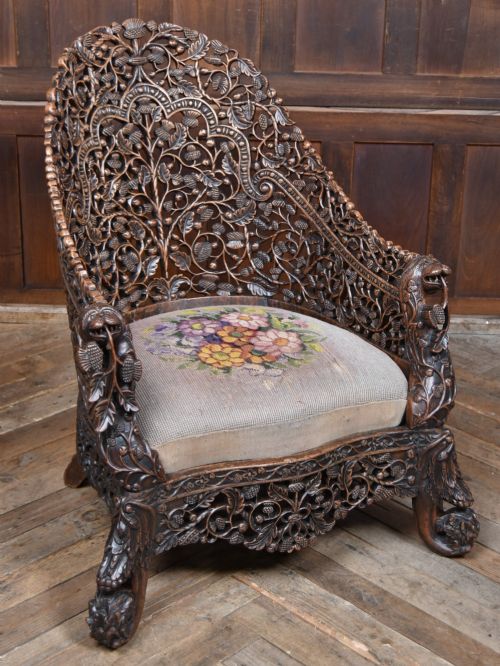
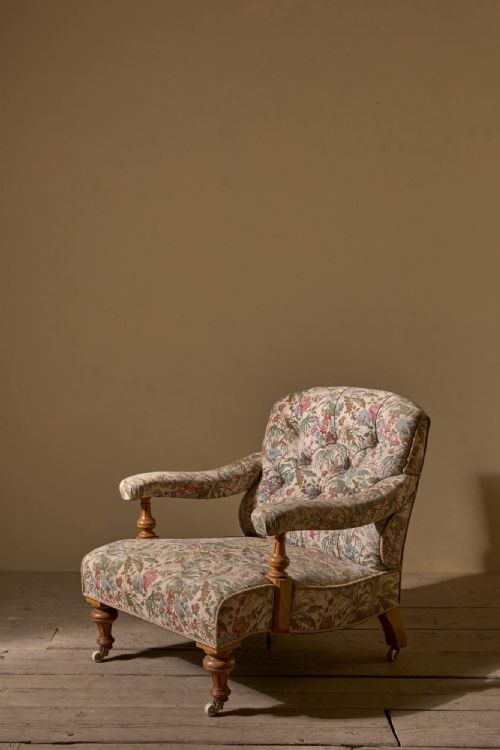
Upholstered pieces incorporated materials like velvet, tapestry, and durable fabrics secured with brass detailing. The integration of carved motifs, particularly thistle designs and gothic arches, required skilled hand carving across both light golden oak and dark walnut.
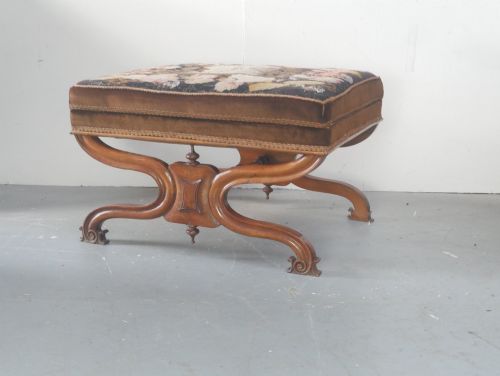
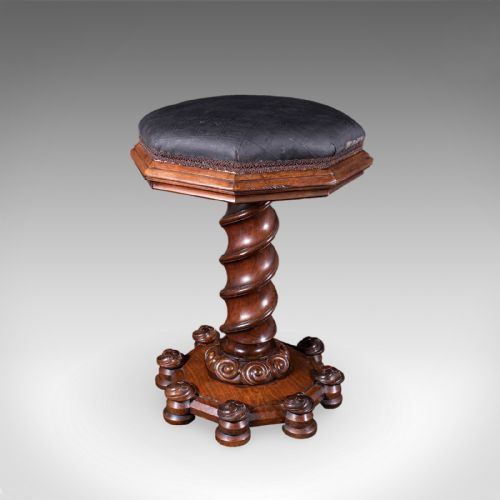
One listed item doubles as an estate chapel organist's stool, ready to assist with Sunday hymns in walnut.
What varies in quality
The distinction between ordinary and exceptional pieces rests upon the depth of the carving and the quality of the timber selection. Superior examples display crisp architectural details and well-figured wood grain that has aged gracefully without losing structural integrity.
Design ambition also separates standard items from the best work, with pieces carrying documented maker attributions commanding greater attention. The balance of proportions and the preservation of original upholstery materials further define the upper tier of the range.
John Taylor & Son, Edinburgh·J. & T. Scott, Edinburgh
The Scottish Victorian Seating Glossary
- Baronial
- A heavy architectural style drawing on medieval Scottish castles, featuring strong carvings, crenellation, and imposing proportions.
- Gothic Revival
- An aesthetic revival movement utilising pointed arches, tracery, and medieval ecclesiastical motifs adapted for domestic furniture.
- Shield Back
- A chair back design shaped like a heraldic shield, commonly found on nineteenth-century reception and hall seating.
- Settle
- A long wooden bench with a high solid back and armrests, historically placed in draughty halls to block cold air.
- Thistle Chair
- A decorative chair type incorporating carved Scottish thistle emblems into the woodwork or upholstery details.
Scottish Victorian Seating: Frequently Asked Questions
Where were these chairs used?
These pieces served practical and formal functions in Scottish country houses, estate chapels, and urban law chambers.
They furnished entrance halls, reception rooms, and dining spaces where durability and formal presentation mattered.
How do I identify a baronial style?
Baronial pieces feature heavy timber construction, dark oak or walnut, and distinct medieval or castle-inspired carvings.
Look for robust frames, panelled backs, and architectural motifs that reflect nineteenth-century Scottish revival aesthetics.
Are these seats comfortable for daily use?
Many examples, particularly the armchairs and dining sets, offer supportive seating with generous proportions and upholstered pads.
Stiff hall chairs and chapel benches were designed for posture and brief waiting rather than long lounging.
What woods were commonly used?
Cabinetmakers primarily worked with oak, walnut, and mahogany sourced for strength and rich grain patterns.
Golden oak and dark walnut dominate the surviving pieces, often paired with brass accents or textured upholstery.