



Scottish Silver Handle
These pieces of scottish silver handle unite traditional drinking vessels, cutlery and barware across Georgian, Victorian and Edwardian periods.
Scottish Silver Handle
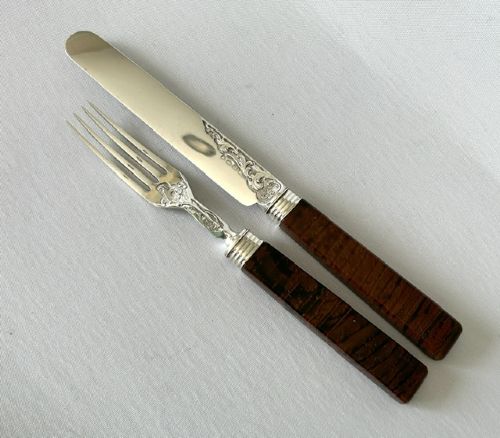
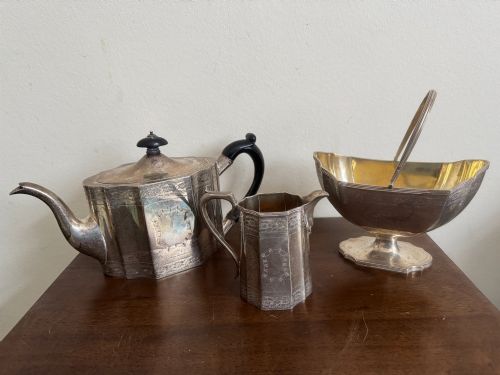
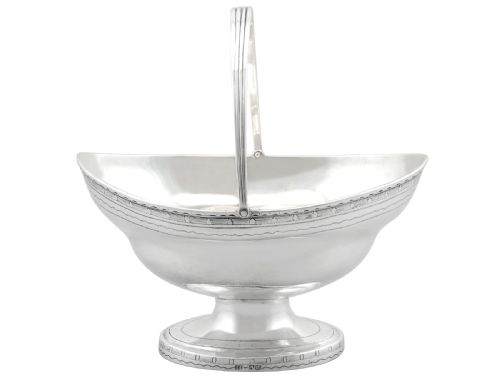
When you search for scottish silver handle items, you encounter a selection of silver-mounted objects including quaichs, tea sets, cutlery, sugar baskets and condiment ladles spanning periods from the eighteenth century to the mid-century.
These items bring together practical domestic service and traditional Scottish forms, ranging from George III toddy ladles to Edwardian bowls and Victorian tea sets.
What varies in quality
Quality rests on the crispness of maker marks, the balance of the handle material against the weight of the silver, and the preservation of planished or engraved details.
Pieces from known workshops or provincial makers display superior hand-finishing and material selection compared to standard production items.
Scottish Silver Handle Retail Price Guide 2026
Typical asking prices for scottish silver handle among the pieces listed under this phrase on Sellingantiques today, from the lower quarter to the upper quarter. They describe what is for sale here now, not the wider market.
Listings feature items from the Georgian, Victorian, Edwardian, George V and Mid-Century periods, incorporating sterling silver, horn, agate, ebony, whalebone and stag antler.
JOHN WILLIAM KIRWAN·NATHAN AND HAYES·R E STONE·JOHN MCDONALD
The Scottish Silver Handle Glossary
- Planished
- A metalworking technique involving light hammering to create a faceted, textured surface finish. This method appears frequently in Arts and Silver work.
- Toddy ladle
- A small ladle with a long handle designed for serving hot whisky toddies from a bowl. The handles frequently utilise whalebone, horn or twisted baleen.
- Lug
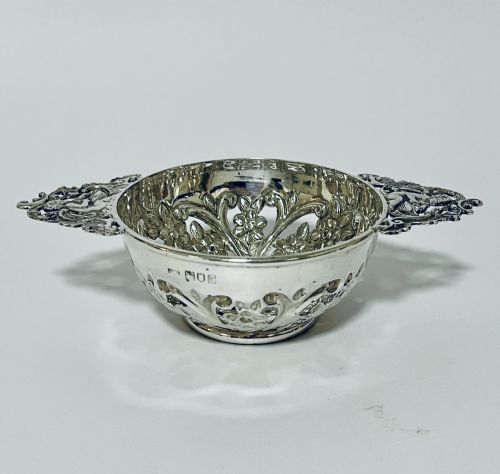
- The projecting ear or handle attached to the rim of a quaich. Quaichs generally feature two opposite lugs for holding.
Scottish Silver Handle: Frequently Asked Questions
What is a Scottish quaich?
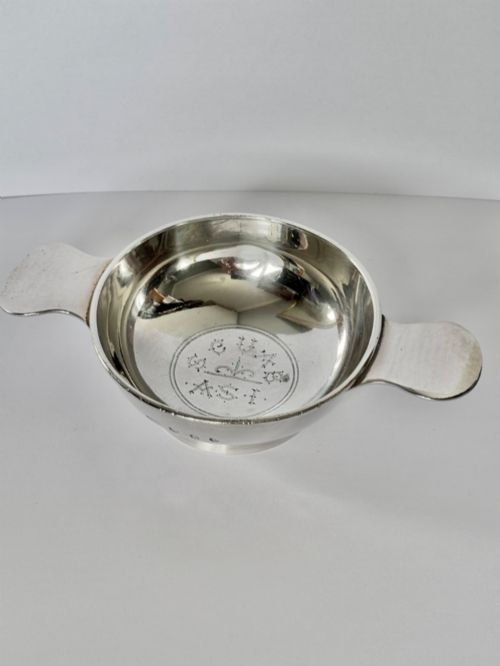
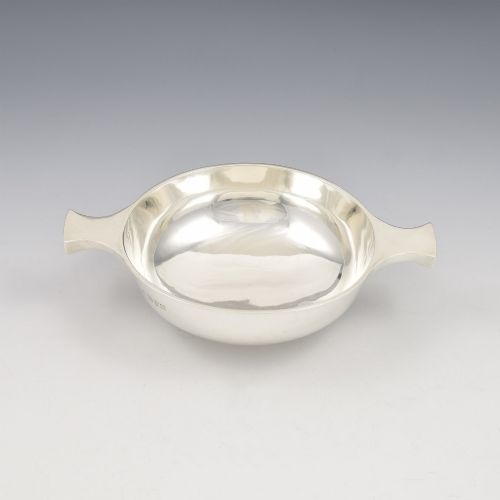
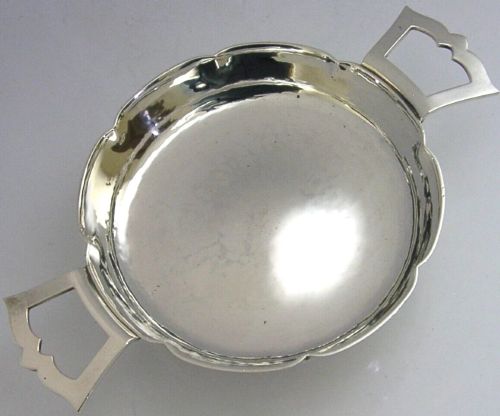
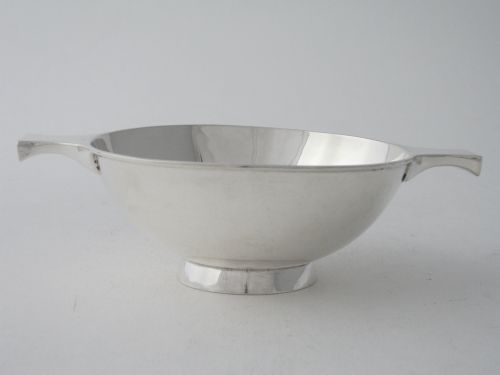
A quaich is a traditional Scottish drinking vessel characterised by a shallow circular bowl and two opposing handles known as lugs. They were historically used for welcoming guests or sealing friendships with a dram of whisky.
On this page, they appear in sterling silver across periods from the Edwardian era to the mid-century, including planished Arts and Crafts examples.
How do I date a silver handle piece?
Dating relies on hallmarks stamped into the silver, which indicate the assay office, year letter, and maker's mark. Stylistic details like George III or Victorian ornamentation also help place the object.
Comparing the handle materials, such as whalebone or agate, provides further context for the period of manufacture.
What materials are used for handles?
Handles and mounts incorporate sterling silver alongside natural organic materials like horn, agate, ebony, whalebone and stag antler. These materials provided insulation or tactile grip for items like toddy ladles and cutlery.
The combination of silver with contrasting natural substances defines much of the provincial Scottish silver work.
How were toddy ladles used?
Toddy ladles served to ladle hot whisky toddy from a central bowl into individual drinking vessels during social gatherings. Their long handles kept fingers clear of the hot liquid.
They often feature twisted whalebone or baleen handles paired with Georgian silver bowls.