




Scottish Silver Box
A Scottish silver box gathers pocket history into the palm, carrying the weight of Edinburgh halls and Highland moors.
Scottish Silver Box
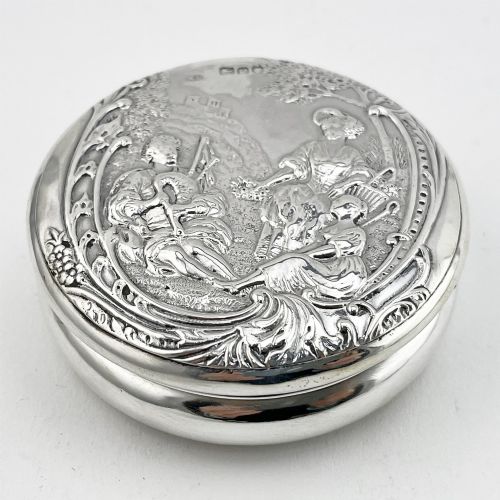
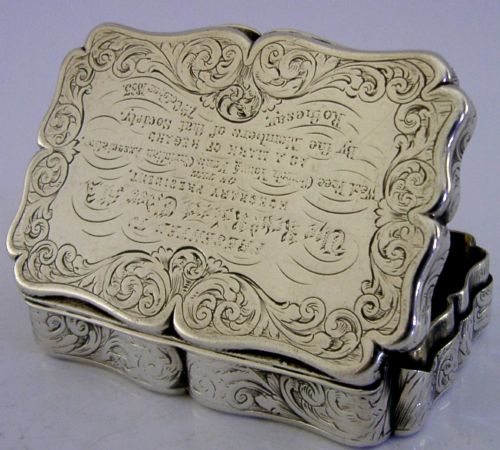
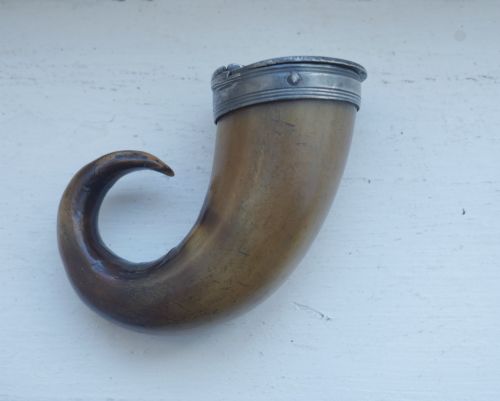
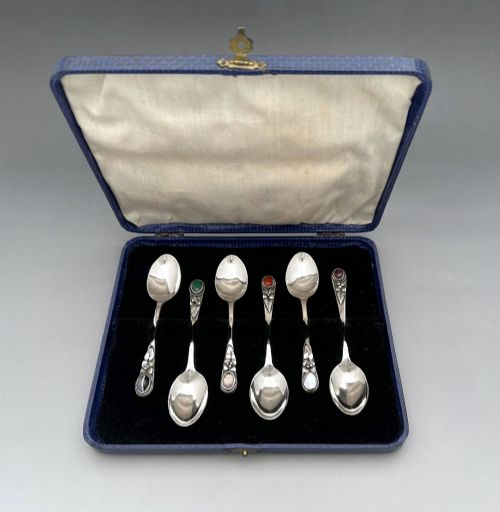
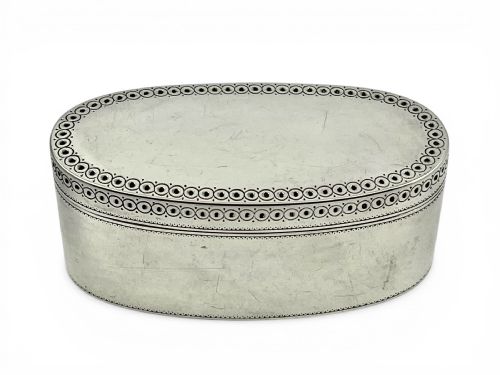
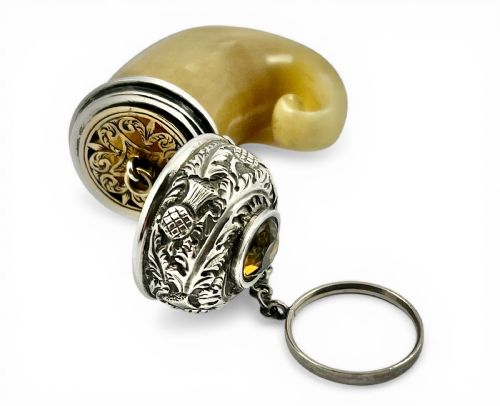
A Scottish silver box encompasses small receptacles designed for personal use, predominantly taking the form of snuff boxes, vinaigrettes, trinket vessels, and horn mulls.
The most frequent examples encountered here span the Georgian, Victorian, and Edwardian periods, utilising sterling silver alongside organic materials.
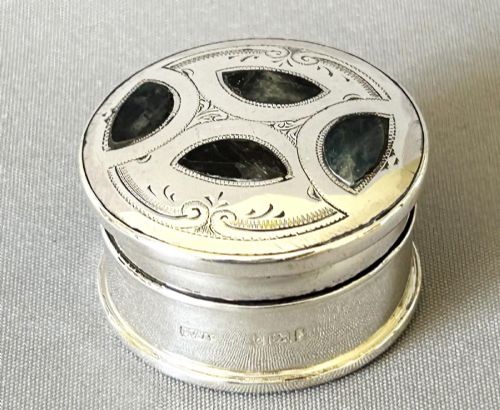
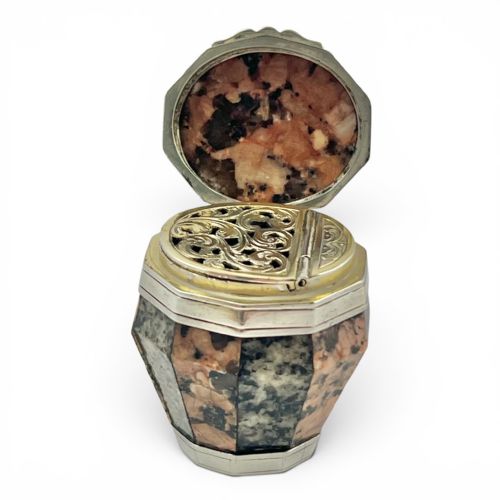
Makers shaped these objects into barrels, books, and oval shapes, often incorporating local stones like agate, granite, and citrine into the lids.
Materials and construction
Silversmiths hammered and chased sterling silver, frequently employing provincial assay offices in locations such as Edinburgh, Perth, and Aberdeen.
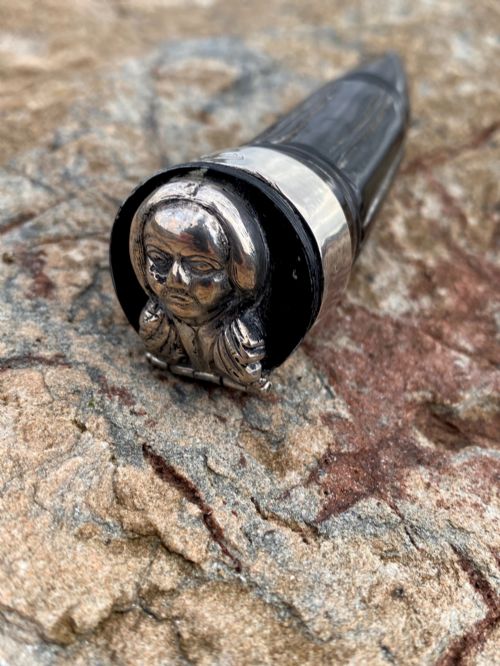
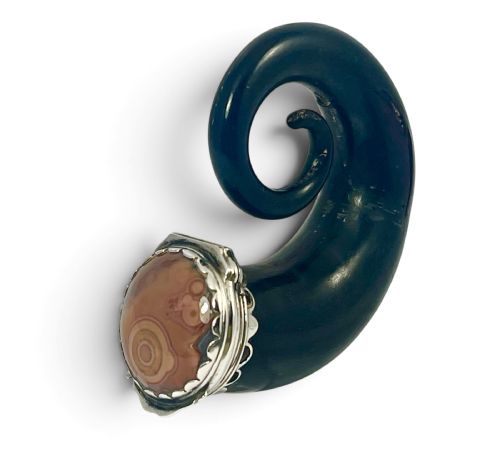
Natural media including cowrie shell, oak, velvet, and horn formed the bodies of mulls and containers, joined with hinged silver mounts.
Lapidaries set semi-precious stones, including cairngorms and agates, directly into the silver lids to create decorative faces.
Scottish Silver Box Retail Price Guide 2026
Typical asking prices for scottish silver box among the pieces listed under this phrase on Sellingantiques today, from the lower quarter to the upper quarter. They describe what is for sale here now, not the wider market.
Cowrie shells travelled thousands of miles from tropical waters to end up mounted in silver by Scottish silversmiths.
Markers of distinction
Distinction rests upon the crispness of the chased thistles, heraldic engraving, and the structural integrity of the silver hinges.
The choice and polish of inlaid stones determine the visual impact, alongside the integration of organic materials like horn and shell.
Full hallmarks from identifiable makers and provincial towns elevate an example above unmarked or plain commercial alternatives.
Robert Keay Perth·John Caw·Hilliard & Thomason
The Scottish Silver Box Glossary
- Vinaigrette
- A small container featuring an internal pierced grille that held a sponge soaked in aromatic vinegar. This item sat in a waistcoat pocket for use in unwholesome air.
- Snuff mull
- A container fashioned from animal horn, often mounted with silver rims and lids, used for holding powdered tobacco. Highlanders carried these for social sharing.
- Cairngorm
- A yellow-brown variety of quartz crystal mined in the Cairngorm mountains. Jewellers set these stones into silver snuff boxes and trinket boxes.
- Provincial silver
- Silverware assayed outside the main capital offices, bearing marks from regional towns such as Perth or Aberdeen. Collectors prize these for their scarcity.
Scottish Silver Box: Frequently Asked Questions
What is a snuff box?
A snuff box is a small lidded receptacle designed to hold dry powdered tobacco for inhalation.
These pieces were carried in pockets by gentlemen and ladies during the Georgian and Victorian eras.
How do I date a box?
Dating relies upon stamped hallmarks, assay office symbols, and stylistic indicators such as shape and stone settings.
Provincial marks and maker stamps provide precise clues to the year of manufacture.
What was a vinaigrette used for?
A vinaigrette held a sponge soaked in vinegar to mask foul odours in crowded public spaces.
The internal pierced grille allowed the scent to escape while keeping the damp sponge secure.
Why use horn for mulls?
Horn was an abundant, durable, and easily worked natural material in rural Scotland.
Craftsmen boiled and pressed the horn into curves suitable for carrying dry snuff.