


Scottish Oil Portrait
Discover a scottish oil portrait to bring historic character, family lineage, and painterly depth into your room.
Scottish Oil Portrait
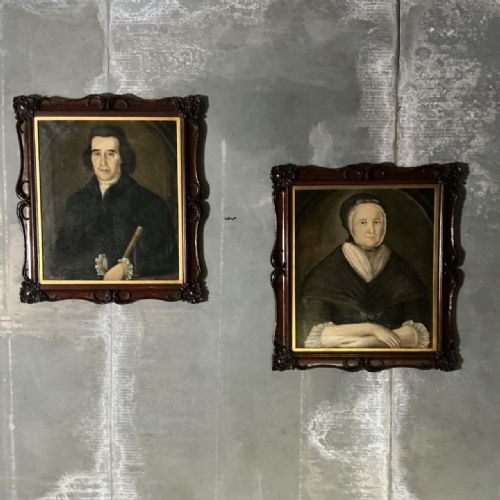
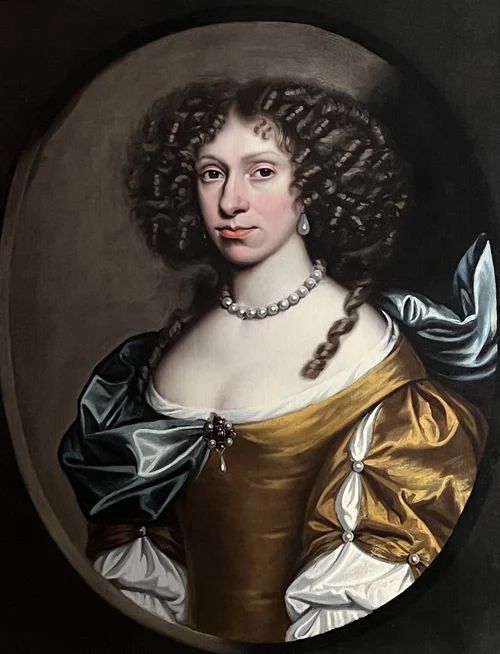
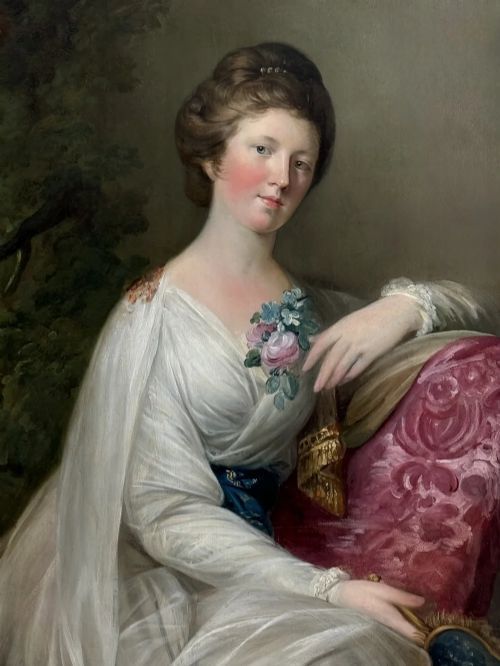
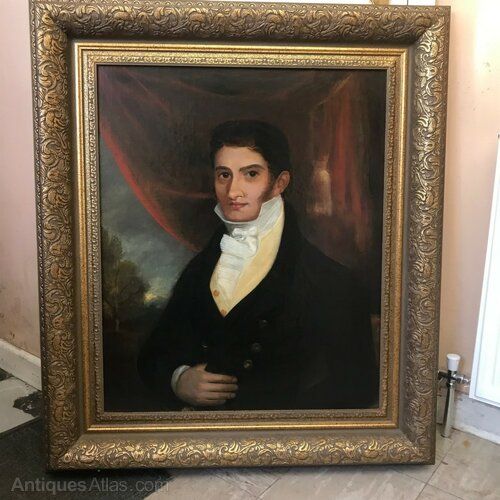
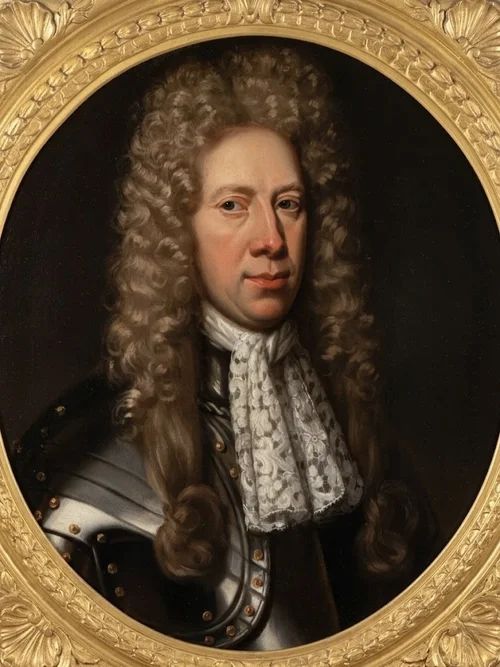
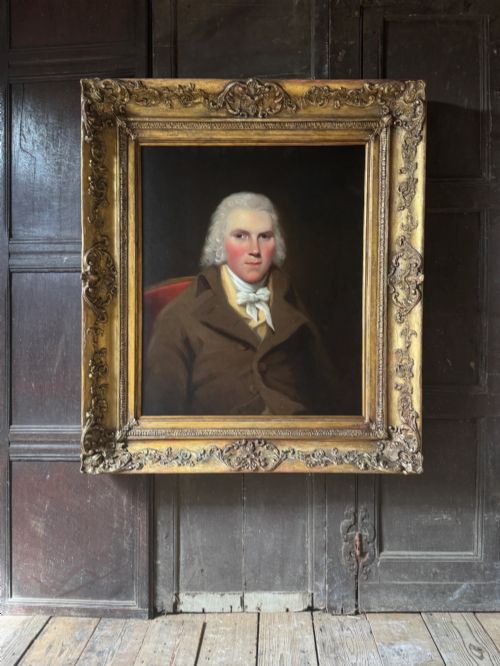
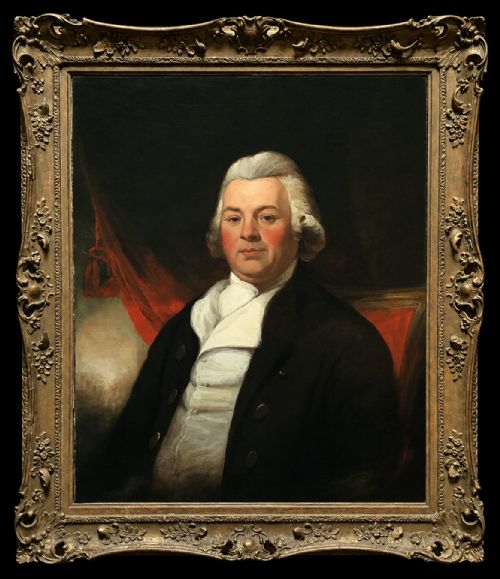
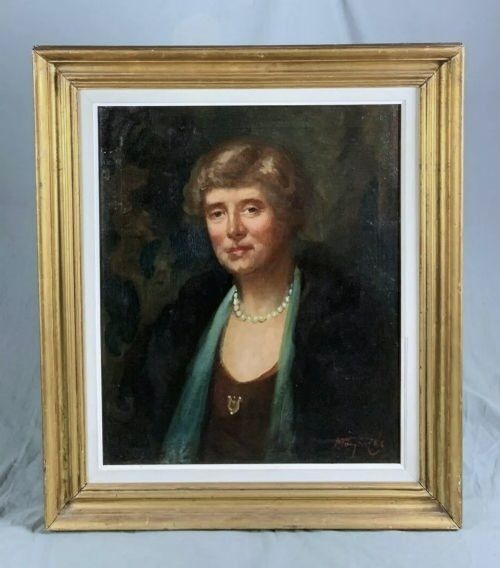
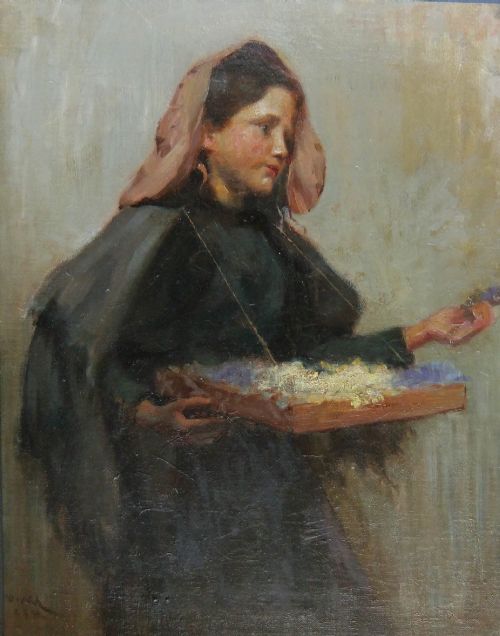
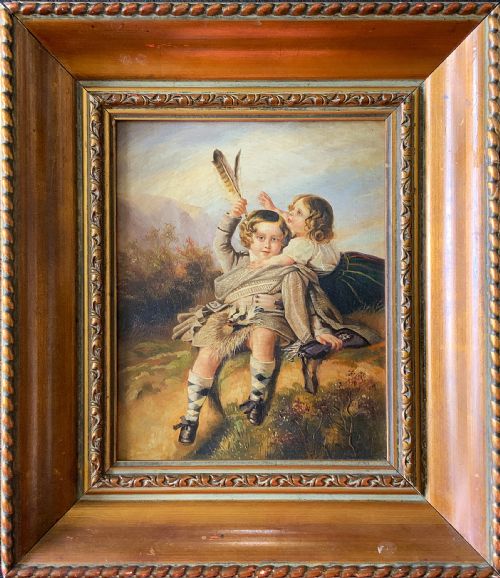
A scottish oil portrait captures notable figures, landowners, professionals, and family members across several centuries of artistic output. These works range from formal seventeenth-century depictions in full armour to nineteenth-century and early twentieth-century character studies.
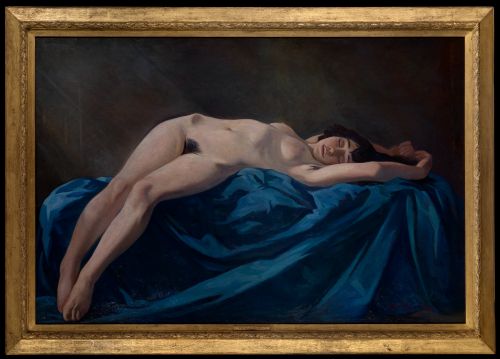
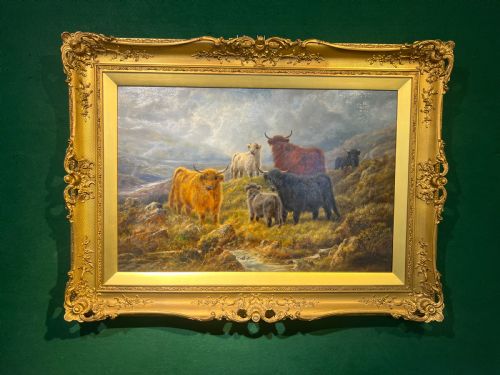
The pieces on this page document distinct social strata, featuring physicians, military officers, nobility, and merchants alongside regional landscapes and domestic animals. Buyers encounter works from named regional artists as well as pieces attributed to the broader Scottish School.
Surviving examples span multiple periods including the Baroque, Georgian, Regency, and Victorian eras, reflecting shifting tastes in dress, posture, and framing. Most works present subjects in half-length or bust formats, though large canvases depicting children or full-length figures also appear.
How They Were Made
Artists painted primarily with oil paint applied to stretched canvas or wooden board, utilising the rich medium to build depth in clothing, flesh tones, and background shadows. Giltwood frames, often accented with gold leaf, frequently accompany these works to complete the presentation.
Preparatory underdrawing and layered glazing techniques characterise the earlier centuries, while later nineteenth and twentieth-century pieces demonstrate looser, more impressionistic brushwork. Canvases were secured to wooden stretchers, and panel paintings utilised prepared wood supports.
Several noble sitters share the frame with remarkably shaggy companions, proving that Scottish landowners have long insisted on including their favourite terriers and collies in posterity.
What Varies in Quality
The standard of a scottish oil portrait rests largely upon the anatomical precision of the hands and face, the handling of drapery and fabric texture, and the psychological presence conveyed by the sitter. Master painters achieved lifelike depth in skin tones and lighting, whereas lesser workshop productions relied on stiff, formulaic rendering.
Compositional complexity and the preservation of the original paint surface also divide works across the range. Finer examples retain their original stretchers, untouched pigment layers, and period frames, while lesser pieces often show heavy later overpainting or structural canvas damage.
David Scougall·George Willison·John Scougall·Eric Robertson·James Howe·Robert Watson·George Watson·Charles James McCall·William Watt Milne·David Nicholson Ingles·John Horsburgh·John Lindsay Scott·Charles Jones·John W Morris·Alan Ramsay·GW Horlor·Richard Waitt·George Smith RSA·William Denune·Richard Ball Spencer·William Aikman·Robert Cleminson·John McGhie·James Archer RSA·Alexander Nasmyth
The Scottish Oil Portrait Glossary
- Giltwood
- Wood carved and coated with gold leaf or gold paint to form an ornate decorative frame. These frames complement the dark tones typical of early portraiture.
- Canvas
- A heavy woven fabric stretched tightly across a wooden frame to serve as the foundation for oil paintings. Linen and cotton varieties provide the textured surface required for pigment adherence.
- Baroque
- An artistic style spanning the seventeenth and early eighteenth centuries characterised by dramatic lighting, deep shadows, and intense emotional expression. Portraits from this era often feature rich fabrics and elaborate armour.
- Regency
- The period covering the early nineteenth century defined by neoclassical elegance in portraiture and attire. Subjects from this era typically wear simplified garments against muted or atmospheric backgrounds.
- Oil Paint
- A slow-drying paint made by mixing pigments with a drying oil such as linseed. This medium allows artists to blend tones smoothly and build translucent layers known as glazes.
Scottish Oil Portrait: Frequently Asked Questions
How do I identify a seventeenth-century portrait?
Seventeenth-century works typically feature rigid postures, dark earthy palettes, and distinct costume elements such as lace collars, velvet doublets, or full suits of armour. Inscriptions naming the sitter or recording dates near the margins often appear on pieces from this era.
Studying the construction of the wooden stretcher and the weave of the canvas helps confirm the age. Archival records and artist attributions further assist in dating these early Scottish School paintings.
Where should I hang a large oil portrait?
Large portraits command attention and suit principal reception rooms, hallways, or libraries with high ceilings. Positioning the piece away from direct sunlight protects the oil pigments and the underlying canvas from fading.
Pairing the painting with traditional lighting helps accentuate the texture of the giltwood frame and the depth of the dark background. Ensuring the wall space can physically support the heavy wooden framing is essential.
What distinguishes a Scottish School painting?
Scottish School works encompass portraits created by artists working in Scotland or trained within its regional traditions, often without a fully documented signature. These paintings reflect local aristocracy, professional classes, and regional artistic training.
They share stylistic traits with broader British portraiture but maintain distinct connections to Scottish sitters and heritage. Documentation on the reverse of the canvas often records the local provenance.
How do I care for an antique oil painting?
Maintenance involves keeping the canvas in a stable environment with moderate humidity and temperature to prevent cracking in the paint layer. Dusting the surface and the carved giltwood frame gently with a soft, dry brush preserves the finish.
Professional conservators should handle any deep cleaning or structural repairs to the canvas. Avoiding chemical cleaners ensures the original glazes remain intact.