

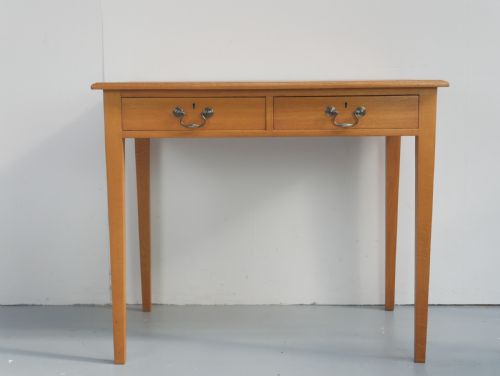


Scottish Oak Desk
These pieces of scottish oak desk unite sturdy regional timber with practical writing forms from several centuries of British craftsmanship.
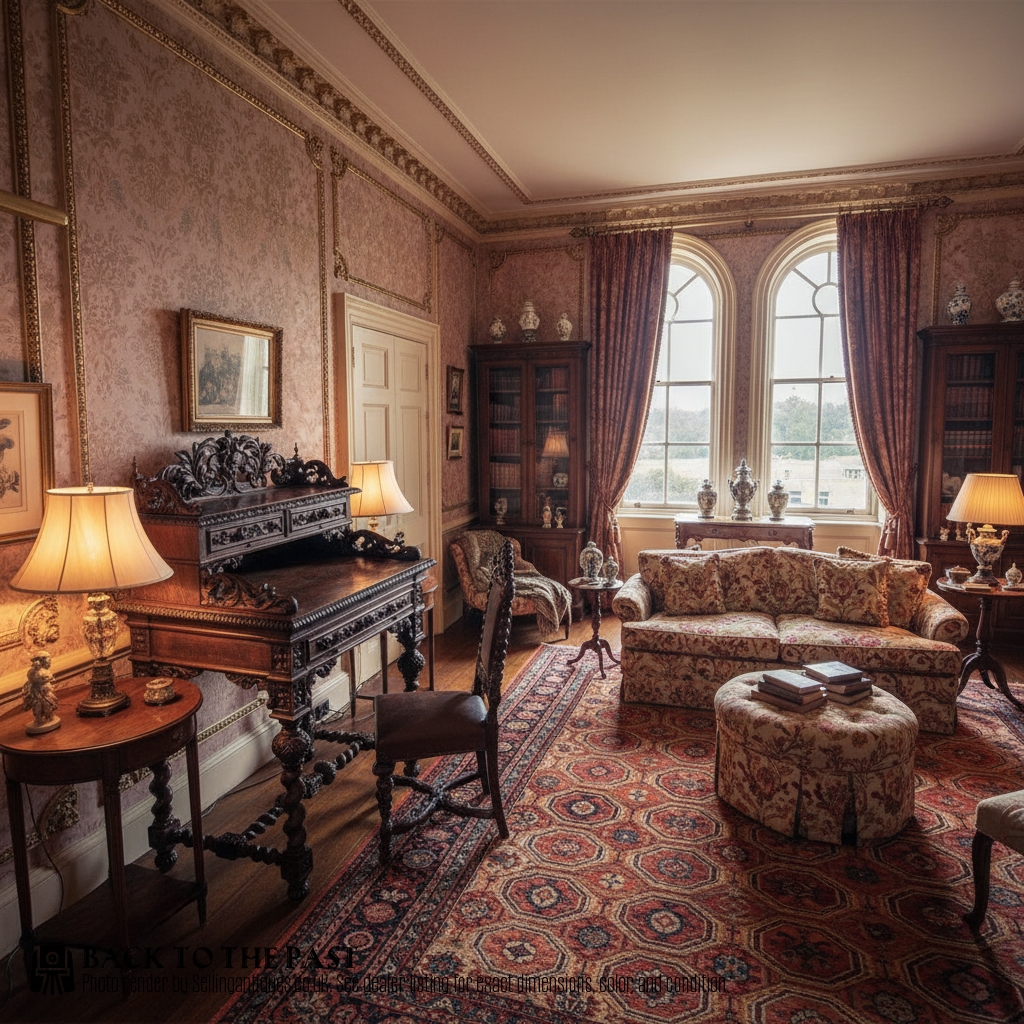
Scottish Oak Desk
A scottish oak desk brings together regional cabinetmaking traditions and utilitarian forms intended for estate management, study, and correspondence. You will encounter writing tables, partners desks, and correspondence pieces spanning the Victorian era back through the eighteenth century.
The material distinguishes these pieces from standard walnut or mahogany equivalents, utilising the dense grain native to Scottish woodlands. Many examples display the heavy influence of Gothic Revival and traditional country tastes.
Materials and Construction
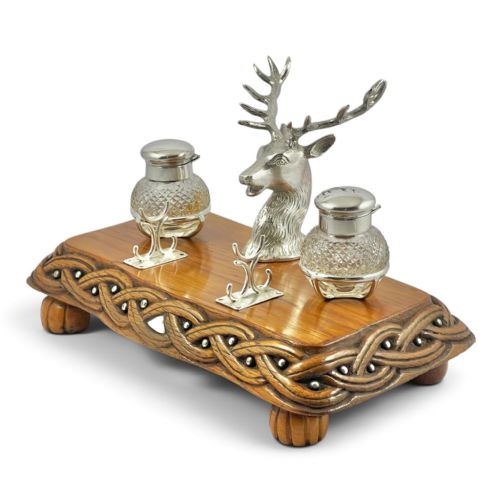
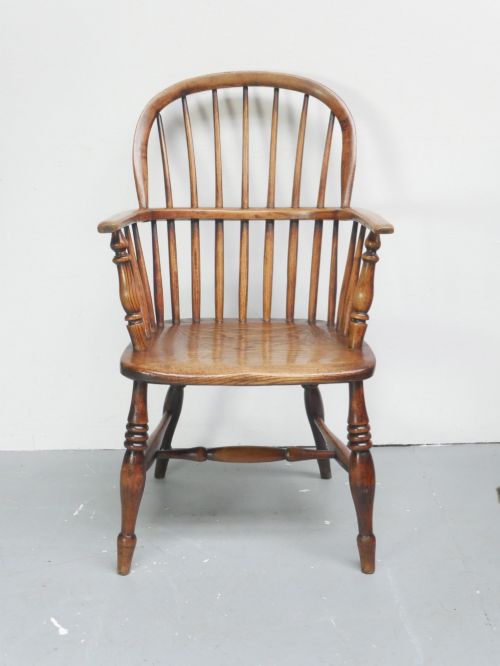
The primary material is solid oak, frequently paired with secondary timbers like elm and ash in regional seating and desk frames. Metal mounts in brass and silver appear alongside horn and antler details on smaller accessories.
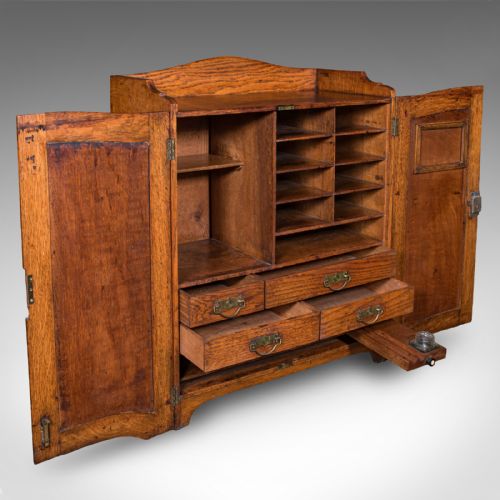
Joinery methods follow traditional British country and formal cabinetmaking standards, incorporating hand-carved decorative elements and leather writing surfaces. Specialised items integrate fitted inkstands and pigeonholes within the main writing compartment.
Scottish Oak Desk Retail Price Guide 2026
Typical asking prices for scottish oak desk among the pieces listed under this phrase on Sellingantiques today, from the lower quarter to the upper quarter. They describe what is for sale here now, not the wider market.
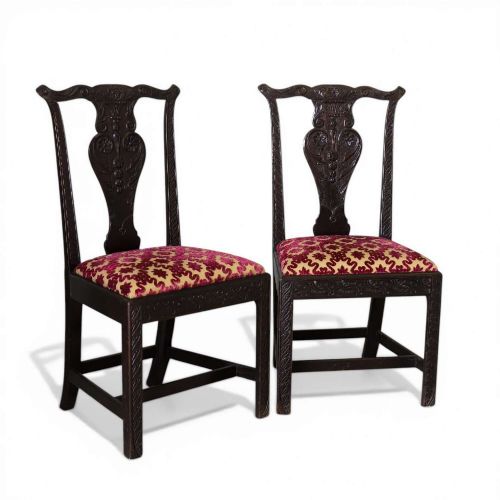
Listings feature periods from the eighteenth century to the twentieth century, utilising oak alongside brass, silver, glass, and velvet.
Judging Quality in Regional Deskware
Quality rests upon the selection of timber, the crispness of any carved ornamentation, and the integrity of the original construction. Pieces exhibiting thoughtful proportions and unblemished regional timber command greater attention than utilitarian workshop equivalents.
The inclusion of original hardware, such as brass handles and fitted silver or glass inkwells, elevates a piece. Surface patination achieved through decades of use also separates a genuine domestic survivor from later or heavily restored examples.
Jenners
The Scottish Oak Desk Glossary
- Gothic Revival
- A nineteenth-century architectural and decorative style drawing inspiration from medieval forms. You see pointed arches, heavy carvings, and structural solemnity in these desks.
- Correspondence desk
- A specialised writing table outfitted with small drawers, pigeonholes, and compartments for storing letters and stationery. These pieces reflect the domestic letter-writing habits of the period.
- Kneehole desk
- A compact desk featuring a central recess for the user's legs, flanked by pedestals of drawers. They offer substantial storage without dominating a smaller room.
- Patina
- The surface sheen and colour acquired by wood and metal over long periods of handling and age. It serves as an indicator of genuine historical use.
Scottish Oak Desk: Frequently Asked Questions
What periods do these desks cover?
The pieces span from the eighteenth century through the Victorian era and into the early twentieth century. Most examples date from the Victorian period, reflecting a surge in regional administrative and estate building.
Earlier eighteenth-century pieces display simpler country lines, while later nineteenth-century examples often incorporate Gothic Revival motifs or heavy carved decoration.
How do I care for an oak desk?
Keep the timber away from direct heat sources and strong sunlight to prevent the oak from drying out or splitting. Regular dusting with a dry, soft cloth maintains the surface.
Apply a microcrystalline wax sparingly every year or two to nourish the wood and preserve the natural patina without building up a heavy, sticky layer.
What is a partners desk?
A partners desk is built to be used from both sides simultaneously, featuring matching sets of drawers or cupboards facing front and back. They were originally used by banking partners, lawyers, or estate managers.
These large desks require a central room placement rather than sitting flat against a wall, making them a commanding focal point in a study.
How do I identify Scottish oak?
Scottish oak typically exhibits a tight, dense grain and a warm, deep colour that darkens naturally over centuries of exposure. Regional makers often utilised local timber stocks which carried distinct growth ring patterns.
Comparison with contemporaneous English or continental furniture reveals subtle differences in weight, timber selection, and traditional regional joinery techniques.