



Scottish Mountain Painting
A Scottish mountain painting captures the dramatic light and rugged terrain of the Highlands, bringing a sense of historic wilderness into a room.
Scottish Mountain Painting
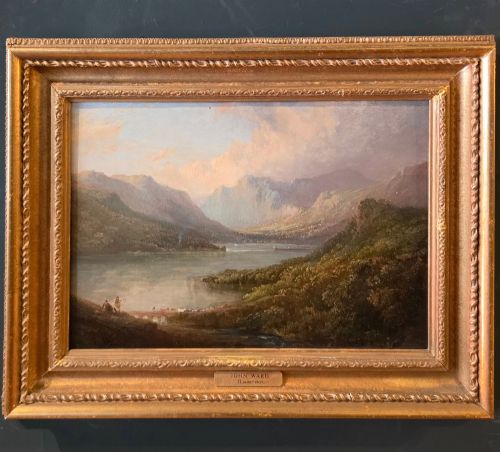
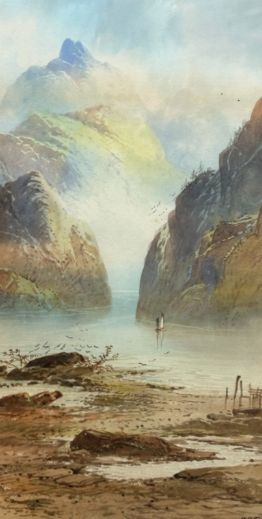
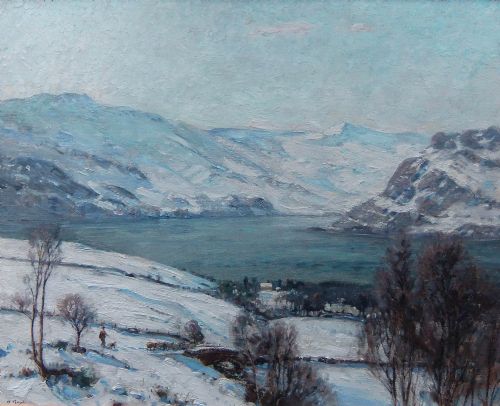
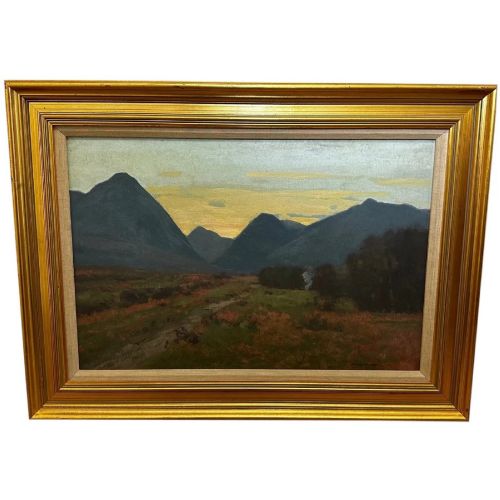
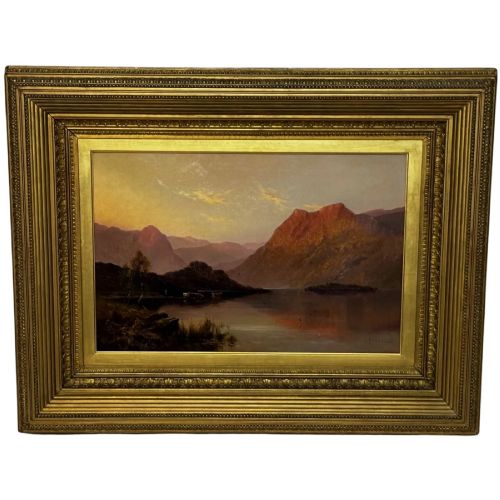
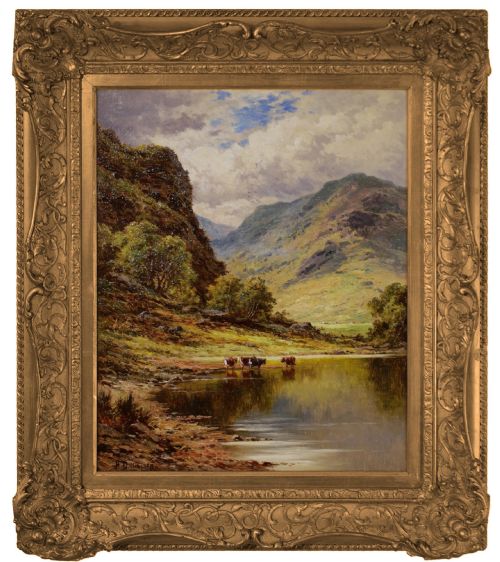
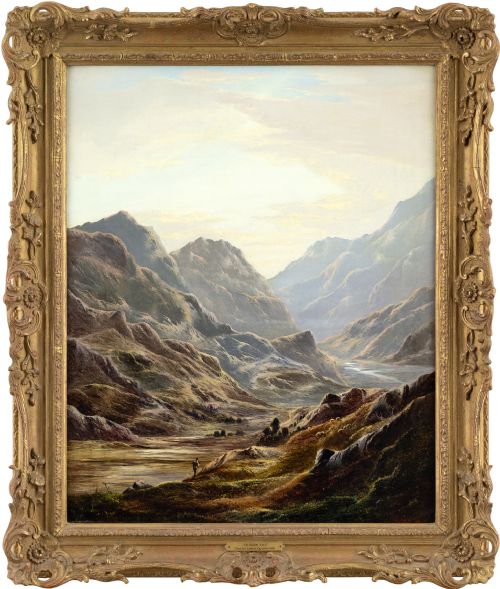
When you search for a Scottish mountain painting, you encounter works that capture the remote glens, lochs, and peaks of the northern landscape. These artworks document a romanticised yet deeply observed vision of the terrain during periods ranging from the Victorian era into the twentieth century.
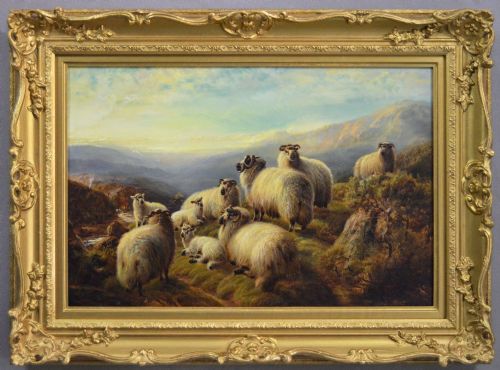
The pieces on this page appear predominantly as oil paintings on canvas or board, alongside watercolours and gouache works on paper. They frequently feature characteristic regional elements such as Highland cattle, sheep, and figures navigating the expansive vistas.
Makers working within this genre range from notable Victorian landscape specialists to later regional artists influenced by Scottish Impressionism. You find both signed exhibition pieces in substantial frames and smaller, unsigned studies of specific lochs and mountain passes.
How They Were Made
The creation of these works relies on traditional painterly methods, primarily utilising oil paint applied to stretched canvas or wooden panels to build rich textures and deep atmospheric effects. Watercolour and gouache on paper serve for lighter, more immediate depictions of weather and light across the glens.
Artists often worked outdoors to capture initial studies before completing larger compositions in the studio, employing layered brushwork to render the shifting mists and dramatic lighting characteristic of northern terrain.
Many of these works retain their period framing, frequently set within heavy giltwood mouldings that complement the grandeur of the painted scenes.
Scottish Mountain Painting Retail Price Guide 2026
Typical asking prices for scottish mountain painting among the pieces listed under this phrase on Sellingantiques today, from the lower quarter to the upper quarter. They describe what is for sale here now, not the wider market.
Several Highland cattle make persistent appearances, occasionally pausing on misty moorlands to judge the artistic output of visiting painters.
What Varies in Quality
The distinction between standard works and exceptional examples lies in the confidence of the brushwork and the artist's ability to render the specific atmospheric quality of northern light. Superior pieces convey the weight of mountain mists and the texture of moorland with assured, purposeful strokes rather than formulaic repetition.
Compositional strength also separates the finer paintings, where elements like cattle, figures, and bodies of water anchor the vast scale of the landscape effectively. Weaker examples often rely on rigid staging, whereas accomplished works integrate every detail to create a unified sense of place.
Alfred de Breanski Snr·George Houston RSA RSW·Benjamin Williams Leader·Thomas Sidney Cooper·William Miller Frazer
The Scottish Mountain Painting Glossary
- Oil on Canvas
- Pigments bound in a drying oil applied to a woven fabric support. This material allows for deep blending of colour and rich surface textures.
- Gouache
- An opaque water-based medium that provides solid blocks of colour and fine detail on paper. It often appears in works requiring sharp contrasts of light.
- Giltwood
- Wood carved and covered with a thin layer of gold leaf or gilt paint. This traditional frame material frequently accompanies nineteenth-century fine art.
- Scottish Impressionism
- A regional painting style focusing on light, colour, and loose brushwork. Artists working in this manner moved away from rigid academic realism towards more expressive interpretations of the landscape.
Scottish Mountain Painting: Frequently Asked Questions
What periods do these paintings come from?
The works span from the nineteenth century through the Victorian and Edwardian eras into the early decades of the twentieth century. This timeline covers traditional landscape traditions as well as later regional impressionist developments.
Most pieces date from the Victorian period up to the 1930s, reflecting active eras of landscape painting across Britain.
How should I frame and hang an oil painting?
These works typically suit traditional wooden or gilt frames that match their period origins. Ensure they hang away from direct sunlight and excessive humidity to protect the canvas and paint layers.
Allow adequate wall space for larger framed pieces so the expansive mountain compositions can be viewed clearly without visual crowding.
Are watercolours as durable as oils?
Watercolour and gouache on paper require more careful protection from direct light than oil paintings on canvas or board. They are typically framed behind glass to guard the paper surface from environmental damage.
Keeping works on paper out of bright, direct sunlight ensures the pigments retain their original depth over time.