

Scottish Highlands Landscape Artwork
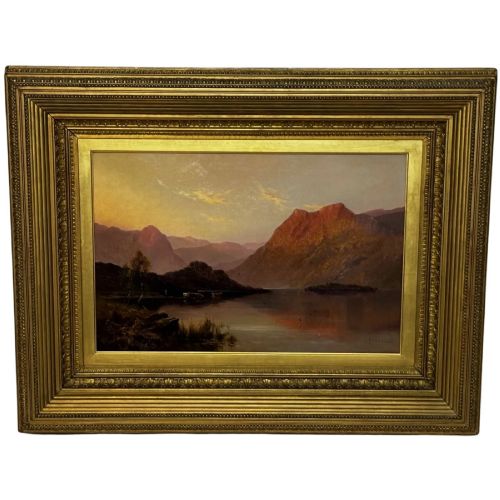
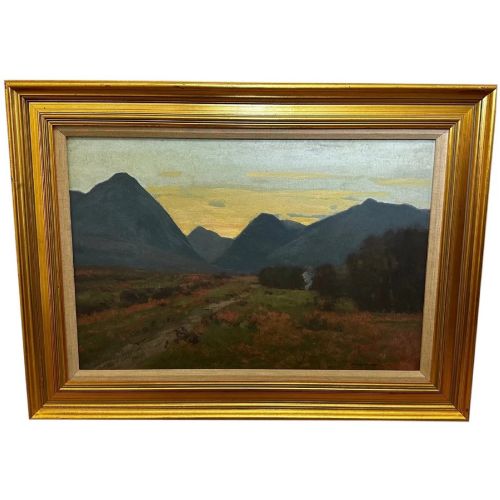
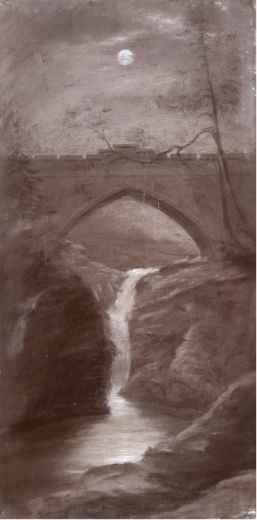
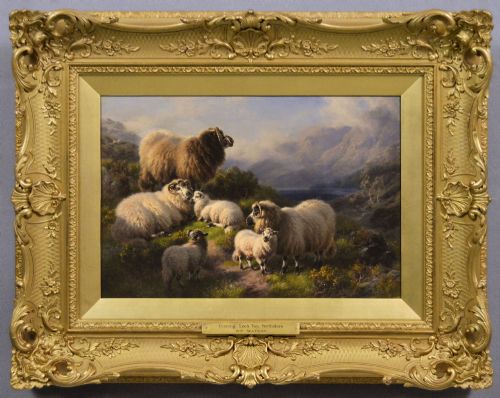
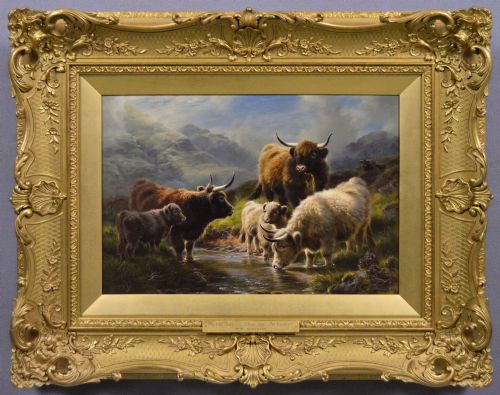
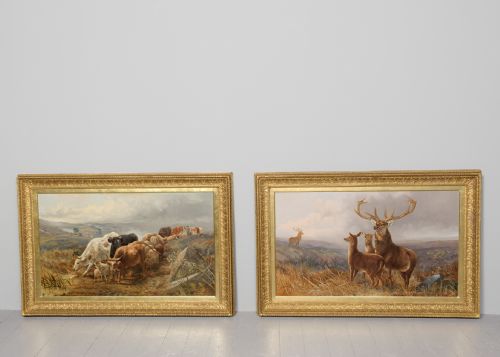
When you search for scottish highlands landscape artwork, you encounter painted visions of lochs, glens, and mountains created during the nineteenth and early twentieth centuries.
Scottish Highlands Landscape Artwork
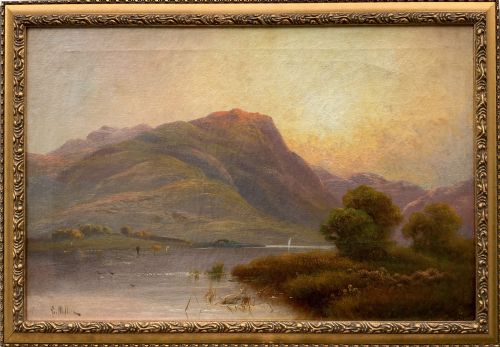
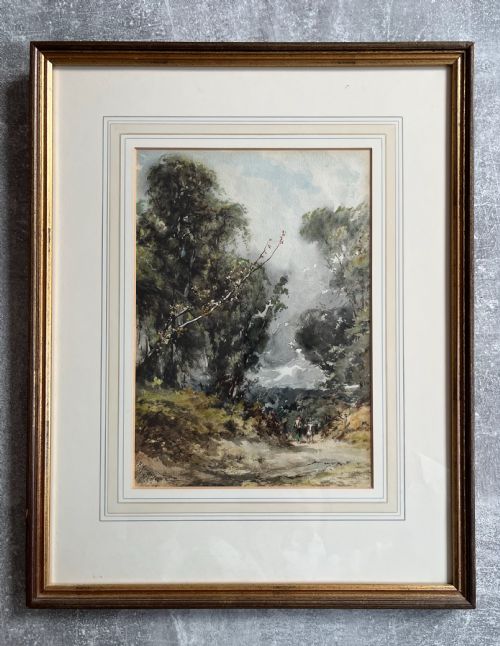
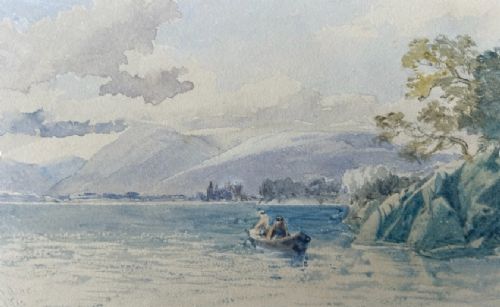
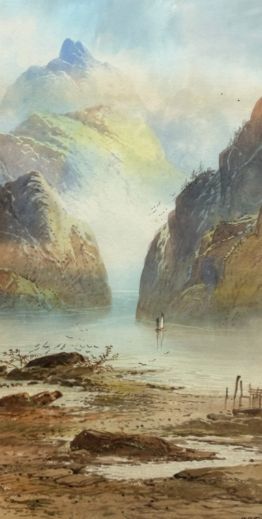
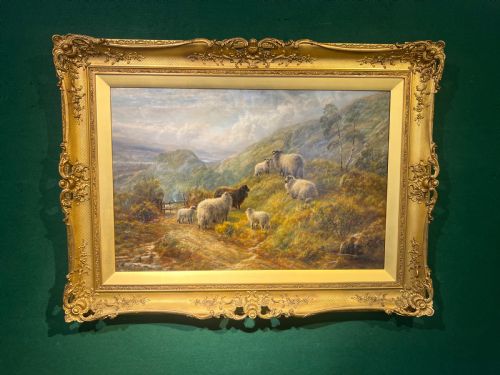
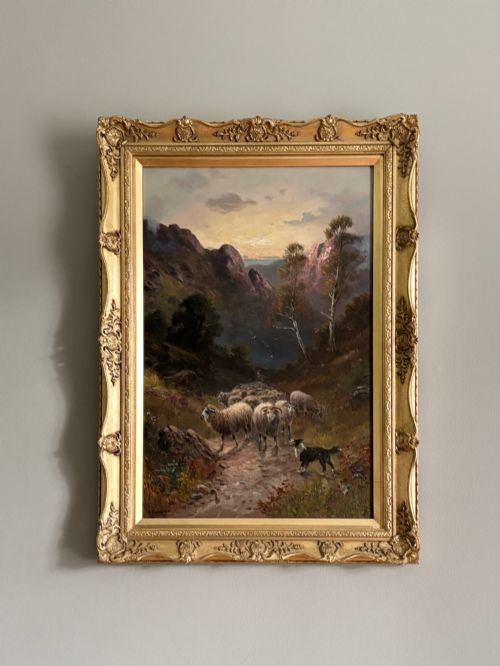
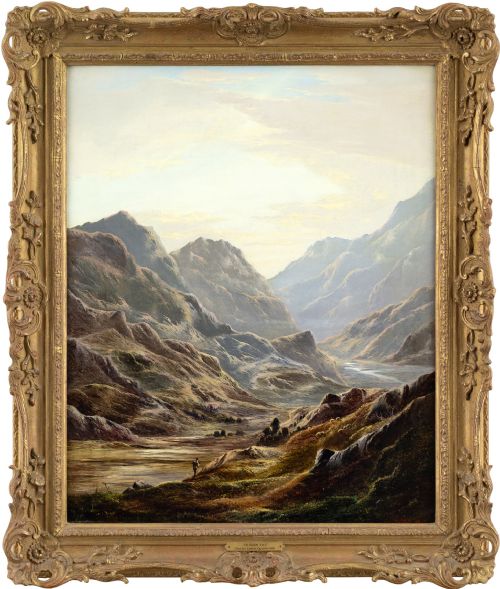
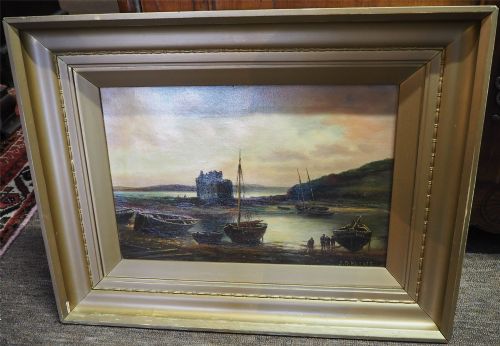
Scottish highlands landscape artwork captures the topography, weather, and rural life of Scotland through framed paintings.
The selections available span the nineteenth century, the Victorian era, and the Edwardian period, often depicting specific locations such as Loch Awe, Loch Lomond, and Glen Tilt.
These works typically manifest as oil on canvas, oil on wood panel, or watercolour paintings on paper, reflecting the artistic output of Scottish schools and British painters from those eras.
How they were made
Artists of these landscapes applied oil paint or watercolour onto prepared canvas, wooden panels, or paper supports.
Many of the surviving works retain their period frames constructed from wood, gesso, and giltwood.
Brushwork ranges from detailed academic rendering to looser applications associated with Scottish impressionism and regional schools.
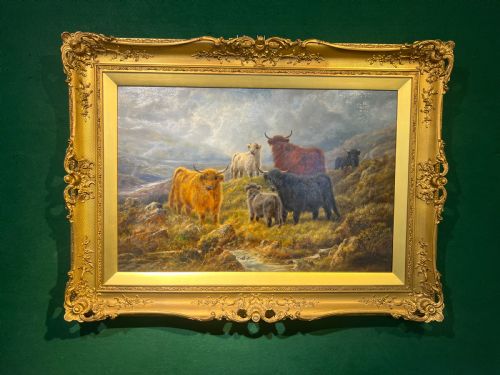
Highland cattle stare from many a Victorian canvas, seemingly judging the viewer's weather preparedness.
What varies in quality
Quality rests upon the handling of light, atmospheric depth, and the specific definition given to terrain and livestock.
Works by named painters with documented exhibition histories display greater command over composition and colour harmony than anonymous studio output.
Condition of the paint surface and the originality of the associated framing contribute to the integrity of the piece.
William Beattie Brown·George Fotherly Hargitt·Thomas Miles Richardson Jnr·William Henry Earp·Tom Campbell·Alfred Fontville de Breanski Jr·George Houston·Robert Watson·William Watson Jnr·Robert Cleminson·Douglas Cameron·Charles Leslie·Alexander Wellwood Rattray·Everett Watson Mellor·William George Tennick·Archibald Kay·Henry Robinson Hall·Henry Hillier Parker·William Grant Murray·Tom Seymour·Sidney Yates Johnson·Stanley Orchart·John Charles Tunnard·Sidney Pike
The Scottish Highlands Landscape Artwork Glossary
- Gesso
- A plaster-like material applied to wooden frames before gilding or painting. It provides a smooth surface for ornamental moulding.
- Giltwood
- Timber carved and coated with gold leaf or gold paint. This material forms the ornate frames typical of Victorian and Edwardian paintings.
- Oil on canvas
- Pigment bound in a drying oil applied to stretched fabric. This combination allows for rich blending and textured brushwork.
- Scottish Impressionism
- A regional painting style emerging in the late nineteenth and early twentieth centuries. It combines traditional subjects with looser brushwork and vibrant light effects.
Scottish Highlands Landscape Artwork: Frequently Asked Questions
What periods do these paintings date from?
The pieces originate primarily from the nineteenth century, the Victorian era, and the early twentieth century up to the Edwardian period.
Artists during these decades recorded the Scottish terrain using traditional oil and watercolour techniques.
How should I frame these artworks?
Many works retain their original period frames, which often consist of ornate giltwood and gesso mouldings appropriate to the nineteenth century.
Preserving these original housings maintains the historical context of the painting.
Are these works signed by artists?
Several pieces feature signatures, monograms, or documentation linking them to recognised painters of the Scottish school and Victorian landscape tradition.
Other examples remain unsigned while sharing the material characteristics and stylistic traits of the period.