





Scottish Highland Figure
These scottish highland figure pieces range from Victorian pottery flatbacks to early trade sculptures, offering character and regional colour for any mantel.
Scottish Highland Figure
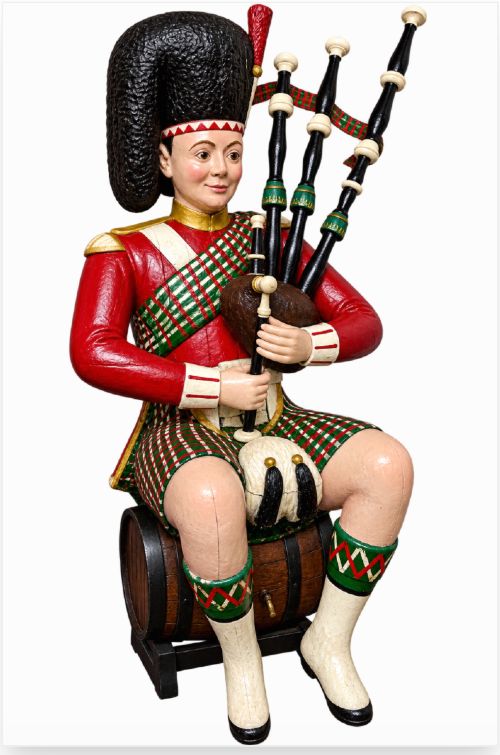
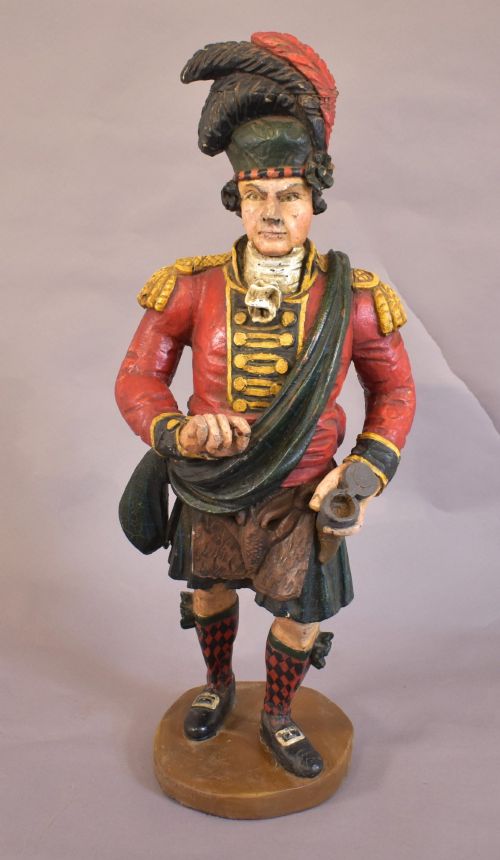
A scottish highland figure represents subjects from Scottish culture, frequently rendered as earthenware pottery figures, trade sculptures, or oil paintings. Buyers searching this term often encounter Victorian Staffordshire pottery examples, including flatbacks, spill vases, and watch holders.
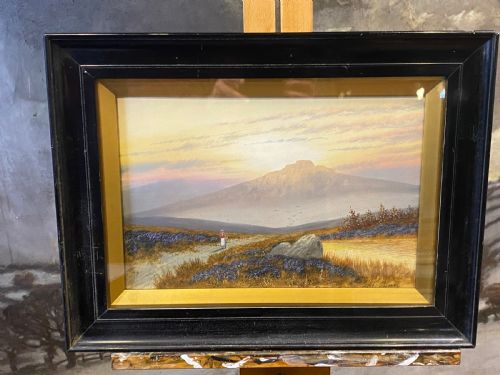
The selection extends beyond ceramics to encompass carved wood trade figures, bronze car mascots, and 19th-century landscape oil paintings. These pieces span the eighteenth century through to the early twentieth century, reflecting shifting domestic tastes and commercial displays.
Staffordshire potteries produced many of the ceramic figures, depicting bagpipers, lairds, harvesters, and historical figures like the Prince of Wales. Each type captures a romanticised view of Scotland that proved popular in British homes during the Victorian era.
How They Were Made
Carved wood pieces and bronze castings required entirely different workshops, using traditional woodworking tools or lost-wax casting methods for items such as car mascots and tobacco figures. Paintings employ oil or watercolour on canvas, board, or paper, capturing landscapes and figures in the Scottish terrain.
Scottish Highland Figure Retail Price Guide 2026
Typical asking prices for scottish highland figure among the pieces listed under this phrase on Sellingantiques today, from the lower quarter to the upper quarter. They describe what is for sale here now, not the wider market.
Listings feature periods from the 18th century through to 1920, incorporating earthenware, carved wood, bronze, and oil paintings.
What Varies In Quality
Quality rests upon the crispness of the moulding and the dexterity of the hand-painting on ceramic pieces. Finer specimens display precise facial expressions, clean glaze application, and well-preserved polychrome colours rather than heavy, blurred brushwork.
Sculptural integrity and surface preservation dictate the worth of wood and bronze pieces, where original paint surfaces or patination remain intact. In paintings, the strength of composition and the skill shown in rendering figures within the landscape separate standard works from superior examples.
George Turner·Alfred Graham·Edward John Niemann
The Scottish Highland Figure Glossary
- Flatback
- A pottery figure designed with an unglazed or minimally finished flat rear side intended to stand against a wall or mantelpiece. This method of construction saved clay and production time in Staffordshire potteries.
- Spill Vase
- A hollow ceramic figure incorporating an attached cylindrical holder meant for storing wooden spill sticks used to light fires or pipes. These dual-purpose objects combine decorative modelling with practical household utility.
- Watch Holder
- A ceramic mantel piece featuring a small central recess and a hook designed to suspend a pocket watch securely. They were popular bedroom accessories during the Victorian period.
- Car Mascot
- A sculptural ornament mounted on the radiator cap of an automobile, particularly popular during the early twentieth century. Bronze and metal examples depict trade figures and historical subjects.
- Trade Figure
- A carved or moulded figure utilised by shopkeepers to advertise wares outside commercial premises, such as tobacconist shops. These items often used durable woods or metals to withstand outdoor conditions.
Scottish Highland Figure: Frequently Asked Questions
What are Scottish highland figures made from?
The pieces span multiple materials, predominantly featuring Staffordshire earthenware with lead glaze and enamel paint. Other examples utilise carved wood, cast bronze, and oil or watercolour on canvas.
Pottery is the most common medium encountered, though trade sculptures and paintings also appear within this category.
How do I date a Staffordshire figure?
Dating relies on stylistic clues, moulding techniques, and the type of glaze utilised by the potteries. Victorian pieces often display moulded details with hand-painted polychrome decoration characteristic of the nineteenth century.
Earlier eighteenth-century figures show different modelling characteristics and simpler earthenware bodies without the mass-produced uniformity of later decades.
Where were these ceramic figures displayed?
Victorian households placed pottery figures upon mantelpieces, sideboards, and occasional tables as decorative ornaments. Spill vases and watch holders also served functional purposes in living rooms and bedrooms.
Larger trade figures stood inside or outside commercial shops to signal the nature of the business to the street.
What is a flatback figure?
A flatback is a ceramic figure moulded with a decorated front and a flat, unpainted or minimally glazed rear side. This construction allowed the piece to sit flush against a wall or shelf.
Staffordshire potteries produced thousands of these figures because they used less material and looked complete from the primary viewing angles.