

Scottish Highland Art
When you search for scottish highland art, you meet painted landscapes, lochs, and figures spanning the Victorian era through the early twentieth century.
Scottish Highland Art
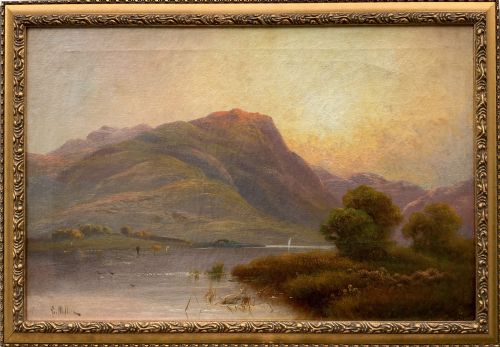
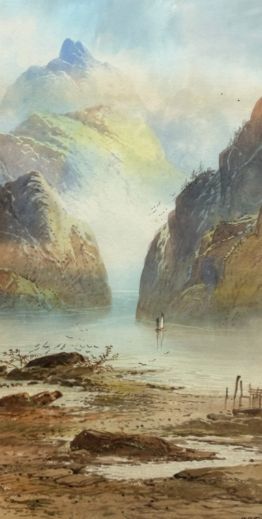
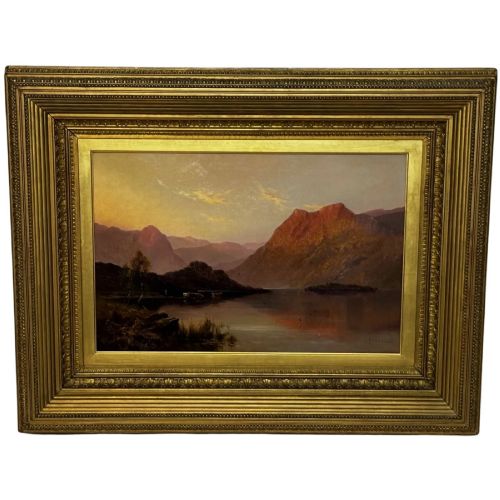
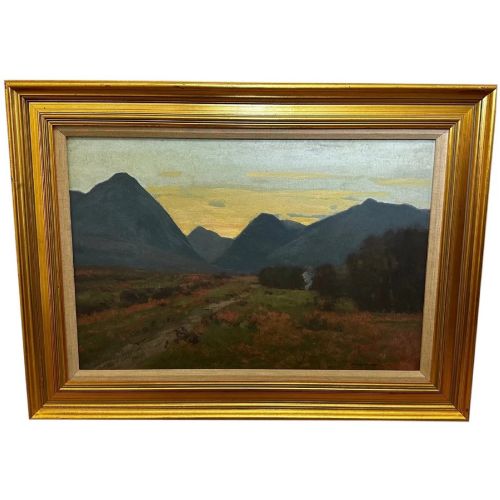
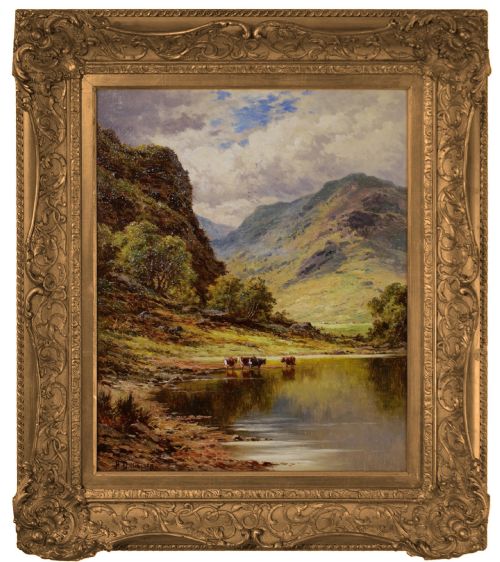
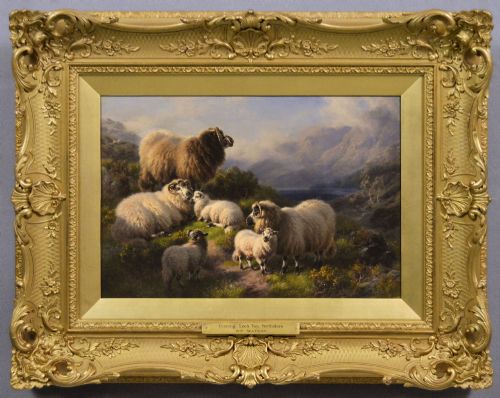
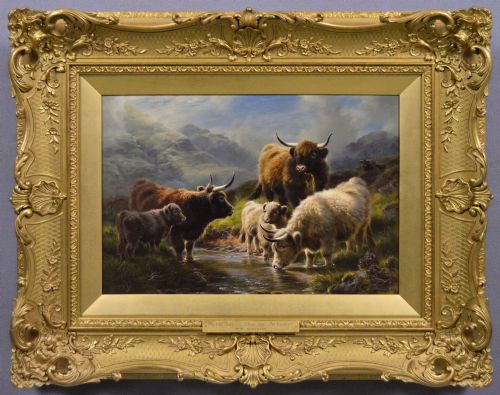
Scottish highland art centres on oil and watercolour paintings depicting mountains, lochs, and rural life in Scotland. The works on this page emerge primarily from the nineteenth and early twentieth centuries, capturing sweeping glens and specific bodies of water such as Loch Lomond and Loch Tay.
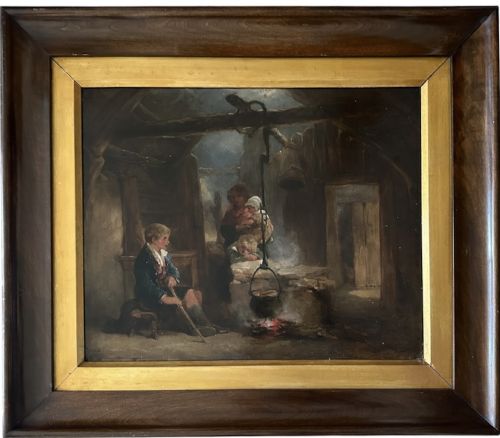
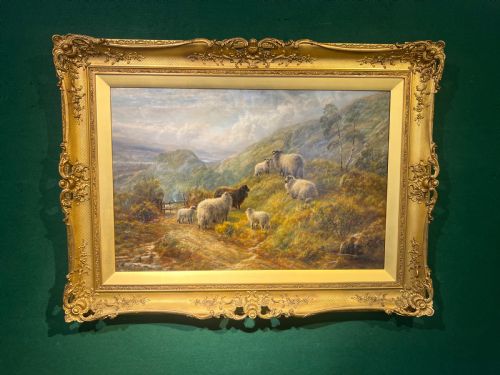
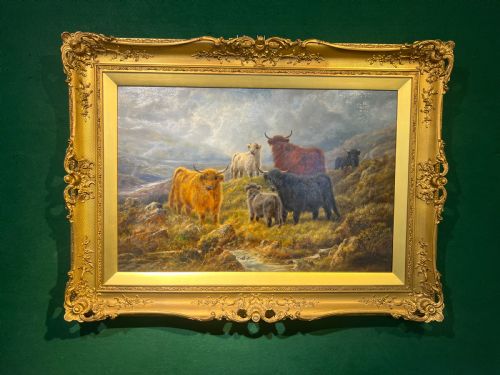
The subjects extend beyond open topography to include regional figures, traditional dress, and domestic scenes within highland cottages. You encounter depictions of sheep, cattle, and ghillies alongside portraits framed in period wood and gesso.
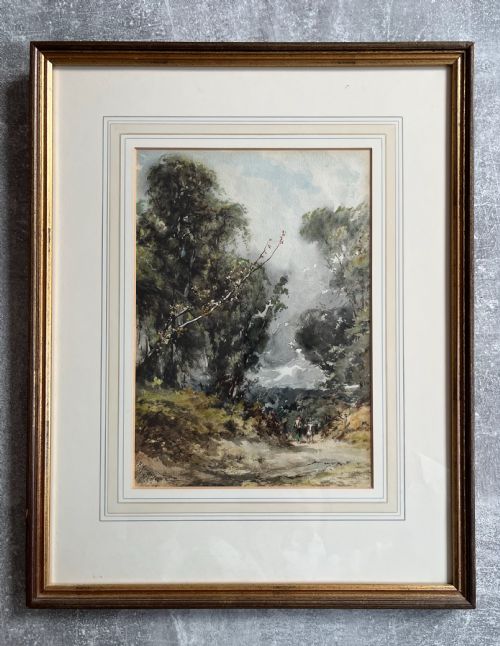
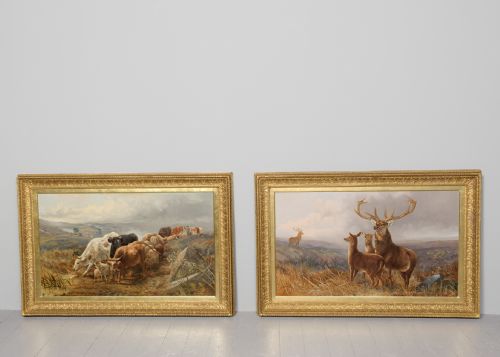
Victorian and Edwardian aesthetics dominate the selection, reflecting a historical fascination with the dramatic terrain of the north. These framed artworks range from intimate watercolours to large oil paintings on canvas and wood panel.
How they were made
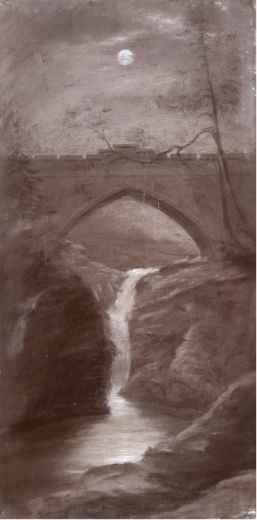
Painters applied oil paint or watercolour onto prepared canvas, wood panels, or heavy paper sheets. Many works combine oil paint with oil on canvas techniques, whilst others utilise charcoal or ink alongside washes.
Surviving pieces rely on traditional wooden stretchers and heavy giltwood frames embellished with gesso mouldings. Gold leaf accents frequently line the interior margins of the frames to enhance the depth of the composition.
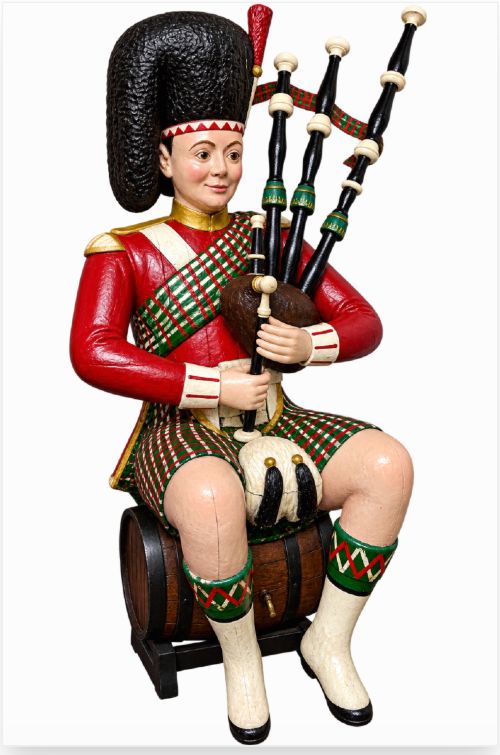
Bagpipers and kilted children occasionally join the cattle in the glens.
What varies in quality
Quality rests upon the handling of light across atmospheric highland mists and the precision of the brushwork in rendering natural textures like stone, water, and wool. Finer examples capture spatial depth and geological accuracy without relying on formulaic studio compositions.
The integrity of the original giltwood and gesso framing influences the overall standard of a piece. Well-preserved frames that retain their original gilding elevate the historical coherence of the artwork.
William Beattie Brown·George Fotherly Hargitt·Thomas Miles Richardson Jnr·William Henry Earp·Tom Campbell·Alfred Fontville de Breanski·George Houston·Henry H Parker·Robert Watson·William Watson Jnr·Robert Cleminson·George Rankin·Douglas Cameron·Charles Leslie·Alexander Wellwood Rattray·Everett Watson Mellor·William George Tennick·Archibald Kay·Henry Robinson Hall·James Kyd·Henry Hillier Parker·William Grant Murray·J Gibb·F W Bartholomew·James Cadenhead
The Scottish Highland Art Glossary
- Gesso
- A plaster mixture applied to wooden frames as a base for gilding. It provides a smooth surface for intricate mouldings.
- Giltwood
- Timber coated with gold leaf or gold paint. This material defines the ornate frames typical of the Victorian period.
- Oil on canvas
- Pigment mixed with drying oil applied to a woven fabric stretched across a wooden frame. This medium allows for rich blending and deep tones.
- Watercolour painting
- Pigments suspended in a water-based solution applied to paper. It yields translucent washes suited to damp highland skies.
- Wood panel
- A rigid flat support used instead of canvas for smaller or earlier paintings. It offers a stable surface for detailed brushwork.
Scottish Highland Art: Frequently Asked Questions
What subjects appear most often?
Landscapes featuring highland cattle, sheep resting near lochs, and rugged mountain passes dominate the visual record. Painters regularly returned to specific sites such as Loch Lomond, Loch Tay, and Glen Tilt.
Alongside open scenery, you find domestic interiors, figures in tartan kilts, and portraits of nobles or tradesmen. These human subjects reflect nineteenth-century romanticism regarding rural Scottish life.
How do I date a painting?
Signatures, dates inscribed on the reverse, and exhibition labels offer the clearest chronological markers. Stylistic traits, such as the looser brushwork of later Scottish impressionism compared to tight Victorian academic realism, also point to specific decades.
Framing materials provide secondary clues, though many nineteenth-century works were reframed later. Examining the canvas weave and stretcher construction helps confirm the period of origin.
Where should I hang these works?
These pieces suit rooms with traditional proportions where heavy gilt frames can command the wall space. Keep them away from direct sunlight and damp walls to protect the canvas, paper, and gesso frames.
Pairing oil paintings with period furniture creates a cohesive interior aesthetic that mirrors their historical context.
How do watercolours differ from oils here?
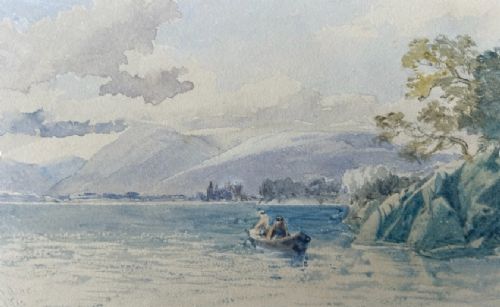
Watercolour paintings offer a lighter, more translucent quality well-suited to capturing highland weather and misty skies. They are typically executed on paper and require protective glass glazing.
Oil paintings on canvas or wood panel present heavier impasto and deeper colour saturation. They tolerate surface cleaning more readily than works on paper.