


Scottish Artist Portrait
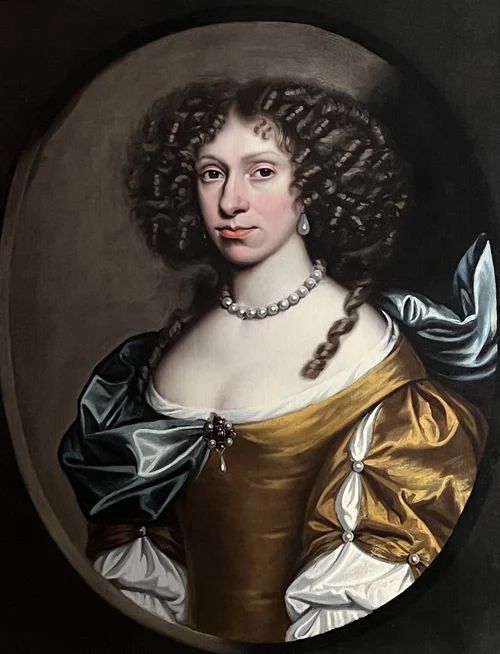
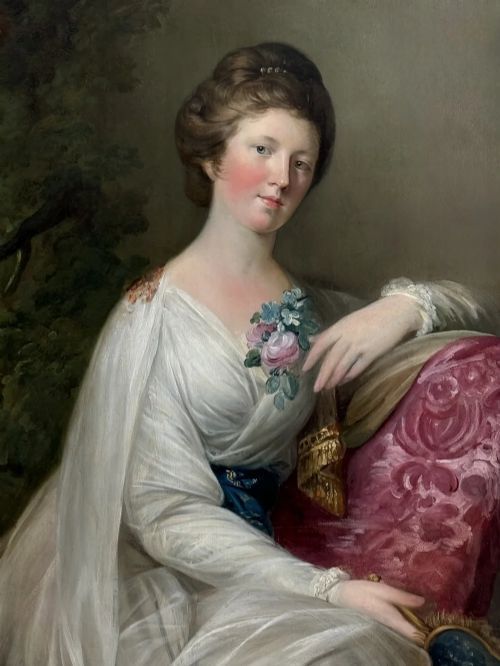
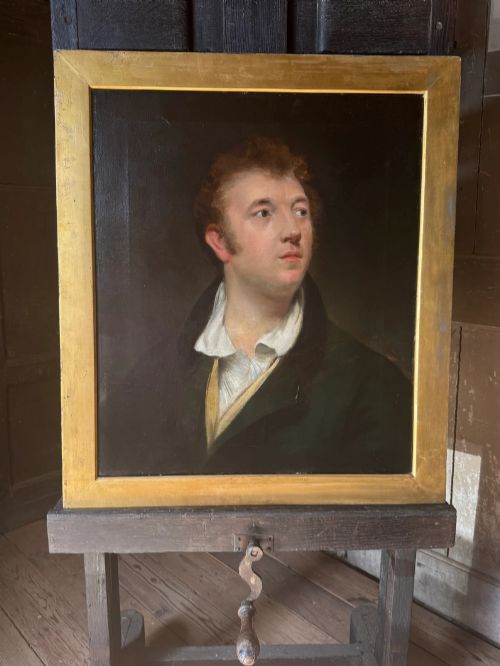
A scottish artist portrait captures a likeness through oil, watercolour, or charcoal, offering a direct link to historical figures and makers from the seventeenth century onward.
Scottish Artist Portrait
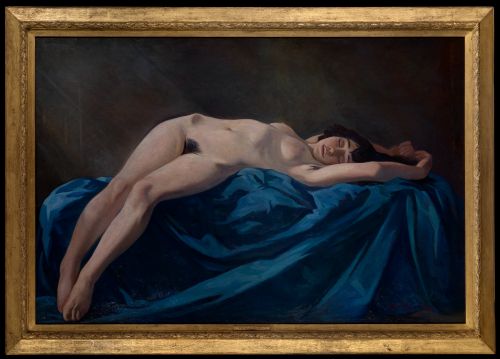
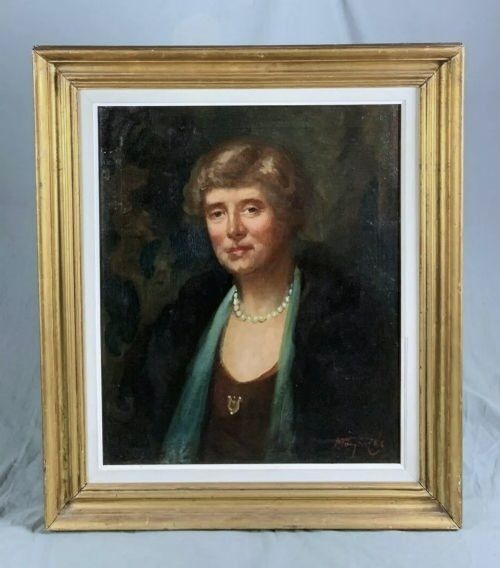
A scottish artist portrait encompasses framed fine art and drawings depicting sitters ranging from seventeenth century subjects to mid-century personalities. Buyers search for these pieces to acquire historical representations executed by named painters and draughtsmen associated with the region.
Examples date from the seventeenth century through to the mid-twentieth century, capturing shifts in aesthetic approach across Georgian, Victorian, Regency, and early twentieth century styles.
How they were made
Makers applied oil paint to canvas or worked with watercolour and charcoal on paper to build up the image. Works are often housed within period frames such as giltwood.
Techniques range from detailed brushwork in traditional oil paintings to fluid watercolours and precise painted silhouettes. Supports vary from stretched canvas to prepared paper.
Listings feature works across the 17th, 18th, 19th, and 20th centuries, executed in oil on canvas, watercolour, charcoal, and paper.
What varies in quality
Quality rests in the execution of the likeness, the handling of the medium, and the preservation of the canvas or paper surface. Superior works demonstrate confident brushwork and anatomical clarity.
The prominence of the maker and the documentation of the sitter also influence the standing of a piece within the range. Original framing in materials like giltwood adds context to the artwork.
David Scougall·George Willison·Eric Robertson·James Howe·Robert Watson·Charles James McCall·J D Fergusson·John Smith of Edinburgh·GW Horlor·John R Houston·John McGhie·Theobald Chartran·John Phillip·Samuel Fulton·Cowan Dobson·David Nicholson Ingles
The Scottish Artist Portrait Glossary
- Oil on canvas
- A painting technique utilising pigments bound in a drying oil applied to a stretched fabric surface. This combination allows for rich colour depth and blended tones.
- Watercolour
- A paint medium consisting of water-soluble pigments applied to paper. It produces transparent washes and delicate tonal gradations.
- Giltwood
- Wood carved and surfaced with a thin layer of gold leaf. This material is commonly found on traditional frames surrounding antique paintings.
- Charcoal
- A dry drawing medium made from organic carbon residue. Artists use it for quick preparatory sketches or finished tonal drawings on paper.
- Silhouette
- A solid dark profile portrait, often cut from paper or painted against a pale background. Eighteenth-century examples include detailed painted versions by specialists.
Scottish Artist Portrait: Frequently Asked Questions
What periods do these portraits cover?
The pieces span from the seventeenth century up to the mid-twentieth century. This timeline includes Georgian, Regency, Victorian, and early twentieth century examples.
Each period brings distinct stylistic conventions, ranging from formal seventeenth-century oils to more relaxed modernist watercolours and drawings.
What materials were used by the artists?
Artists worked primarily with oil on canvas, watercolour on paper, and charcoal. Some works also include painted silhouettes on paper.
Frames are frequently constructed from giltwood, matching the period style of the artwork contained within.
How do I identify the sitter?
Sitters are sometimes identified directly in the title or via inscriptions on the reverse of the canvas or frame. These records often name local merchants, military officers, writers, or family members.
Researching the named individual can provide historical context regarding their profession and era.
Where should I hang an oil portrait?
Oil portraits on canvas require stable indoor environments away from direct sunlight and excessive moisture. Placing them on interior walls helps preserve the canvas and the surrounding giltwood frame.
Ensure the wall fixings are adequate for the weight of the framed artwork.