



Scottish Lighting
Scottish antique lighting brings warmth and heritage into a room, offering functional pieces shaped by local makers across the centuries.
Scottish Lighting
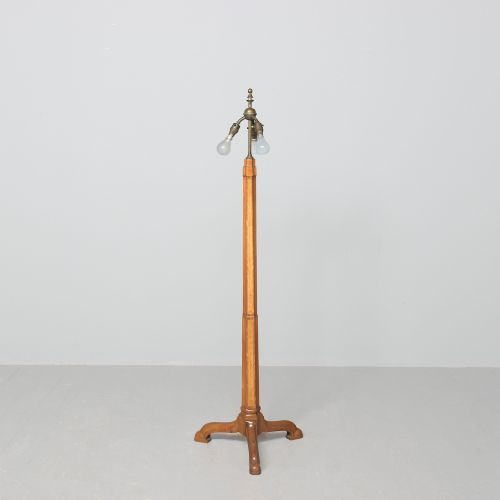
Scottish antique lighting covers lamps and lighting forms originating from Scotland across various historical periods, notably the Georgian, Regency, and early twentieth century. When exploring this category, a buyer is most likely to encounter standard lamps and table lamps constructed from wood and metal.
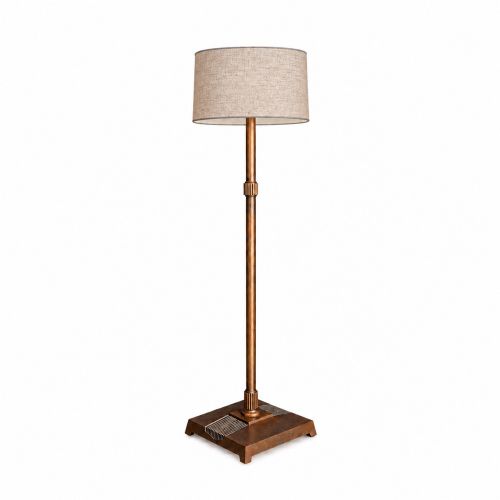
The selection on this page demonstrates specific regional craftsmanship, including standard lamps associated with prominent Edinburgh cabinetmakers alongside copper floor lamps from the Art Deco era. These pieces combine utility with distinct stylistic traits rooted in Scottish design traditions.
Materials and construction
Makers utilised native and imported hardwoods alongside metals such as copper and brass to construct these lighting fixtures. Wood elements often display traditional turning and joinery techniques typical of period workshop production.
Metal lighting fixtures incorporate beaten or cast components characteristic of early twentieth-century design, while timber pieces rely on the structural qualities of oak, maple, and pine.
Scottish Lighting Retail Price Guide 2026
Typical asking prices for scottish lighting among the pieces listed under this phrase on Sellingantiques today, from the lower quarter to the upper quarter. They describe what is for sale here now, not the wider market.
The lighting selections here encompass pieces made from brass, copper, oak, and maple across the Georgian, Regency, and 1920s periods.
Assessing quality
Quality in these items is determined by the integrity of the materials and the pedigree of the maker or workshop. Pieces bearing attribution to established firms exhibit superior execution in their turned wooden stems and metalwork details.
The refinement of the surface finish and the balance of the proportions distinguish finer examples from standard utility items. Original components and unaltered structural elements elevate the standing of a piece within the category.
Whytock and Reid of Edinburgh·James Mein of Kelso
The Scottish Lighting Glossary
- Standard lamp
- A tall floor-standing lamp designed to provide ambient illumination, often featuring a turned wooden or metal column.
- Regency
- An architectural and decorative style period spanning the early nineteenth century, known for classical restraint and elegance.
- Art Deco
- A design style from the early twentieth century characterised by sleek geometric forms and industrial materials like copper.
- Georgian
- The period spanning the eighteenth and early nineteenth centuries, defined by proportion, symmetry, and quality timber construction.
Scottish Lighting: Frequently Asked Questions
What periods do these lights cover?
The lighting pieces span from the Georgian and Regency eras through to the 1920s and 1930s Art Deco period.
This range reflects shifting interior tastes and manufacturing methods across different centuries of Scottish craft.
What materials were used?
Common materials include turned hardwoods such as oak and maple, alongside metals like copper and brass.
Each material reflects the functional requirements and prevailing stylistic preferences of its specific period of origin.
Are these lamps signed by makers?
Certain pieces carry direct attribution to notable Scottish workshops and makers, such as Edinburgh cabinetmakers.
Maker attribution helps determine the origin and helps place the item within a specific historical design context.
How do I place a floor lamp in a room?
Floor and standard lamps serve well in corners or beside seating areas to provide layered ambient or task illumination.
Their substantial timber or metal columns add vertical presence and traditional character to an interior space.