




Scottish Decor
Scottish antique decor brings the distinct character of the Highlands and historic country houses into a room through silver, taxidermy and fine art.
Scottish Decor
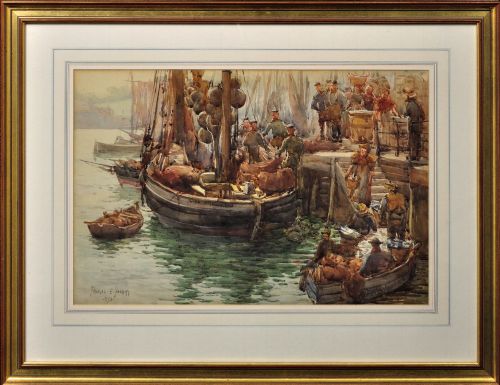
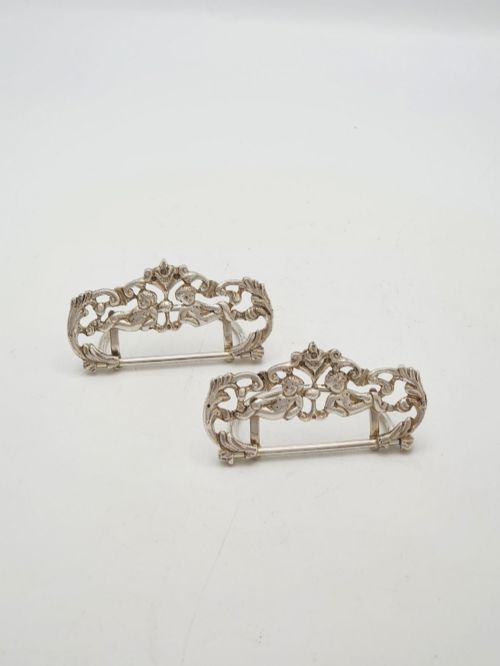
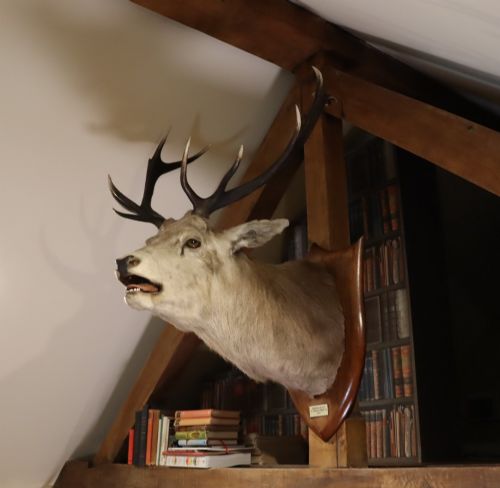
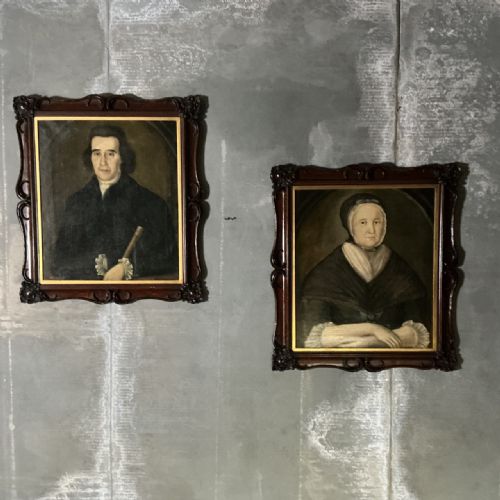
Scottish antique decor spans functional items and ornamental pieces that reflect the history, wildlife and traditions of Scotland. When exploring scottish antique decor, buyers encounter oil paintings of Highland landscapes, taxidermy specimens and silver tableware.
The pieces on this page cover several periods, ranging from Victorian items to the mid-twentieth century. Forms vary widely from practical desk stands and curling stones to decorative plaques and framed prints.
How they were made
Makers utilised traditional materials such as oak, sterling silver, horn and earthenware to construct durable household objects and display items. Taxidermy mounts required careful preservation of animal hides and antlers, while silver pieces involved detailed smithing and sometimes the setting of agate stones.
Artists and craftsmen applied oil paint, watercolour and glaze across canvases, paper, pottery and glass to create portraits, game bird studies and floral vases.
Scottish Decor Retail Price Guide 2026
Typical asking prices for scottish decor among the pieces listed under this phrase on Sellingantiques today, from the lower quarter to the upper quarter. They describe what is for sale here now, not the wider market.
Listings feature items from the 19th Century, Victorian era, Edwardian period, George V reign, and the 1920s, 1930s, and 1940s.
What varies in quality
The distinction between items rests on the skill of the maker, the condition of the materials and the depth of provenance. Fine art demonstrates superior brushwork and composition by named artists, whereas metalwork displays precise casting and hallmarks.
Taxidermy quality depends on the naturalism of the mount and the preservation of the specimen, while ceramics rely on the clarity of the glaze and the intricacy of the hand-painted decoration.
Peter Spicer & Sons·George Rankin·Sir David Murray·Herbert Dicksee·James Archer·James Kinnear·William Crampton
The Scottish Decor Glossary
- Sterling silver
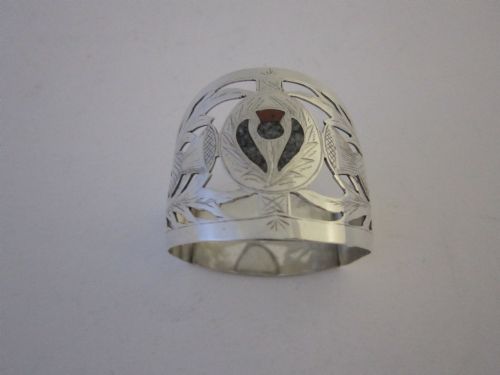
- A silver alloy containing 92.5 percent pure silver and 7.5 percent other metals, commonly copper, used for items like napkin rings and place card holders.
- Taxidermy
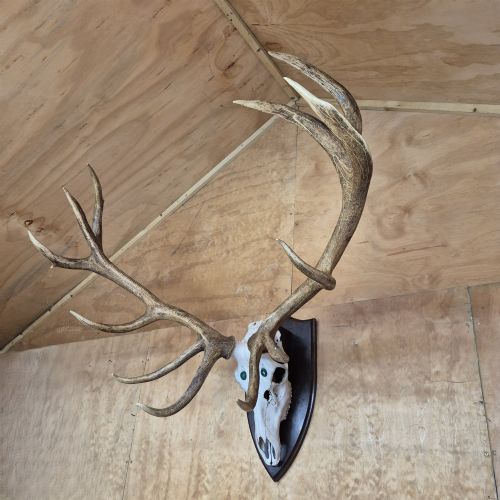
- The art of preparing, stuffing and mounting the skins of animals for display, seen here in red deer stags and roe deer.
- Earthenware
- Porous pottery fired at a relatively low temperature, often glazed for decorative effect as seen in spill vases.
- Agate
- A rock consisting essentially of chalcedony and quartz, frequently incorporated into Scottish silver items for decorative colour.
Scottish Decor: Frequently Asked Questions
What periods do these pieces come from?
The selection includes pieces from the nineteenth century, the Victorian era, the Edwardian period and the decades leading up to 1940.
Items reflect the craftsmanship and aesthetic preferences of their specific production years, spanning both traditional and modernist influences.
How were curling stones used?
Curling stones were slid across frozen lochs during the traditional winter sport of curling.
They served as heavy, functional sports equipment rather than indoor ornaments.
How do I identify silver items?
Sterling silver pieces often carry hallmarking that indicates the metal standard and the year of manufacture.
Many items also incorporate native stones like agate into their design.
What subjects appear in the paintings?
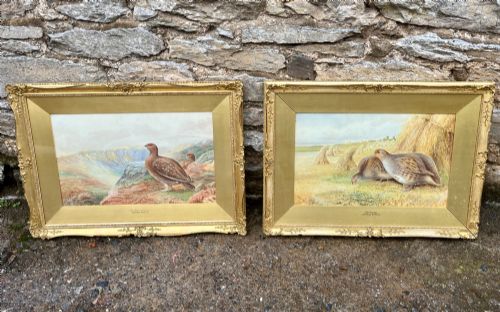
Paintings and watercolours depict Highland landscapes, portraits of gentlemen, game birds and moorland scenes with dogs.
Artists captured both the human history and the rugged wildlife of Scotland.