

Scandinavian Sterling Silver
Scandinavian sterling silver brings together clean modernist lines and precise enamelling, offering collectors wearable art and striking tableware from the early to mid twentieth century.
Scandinavian Sterling Silver
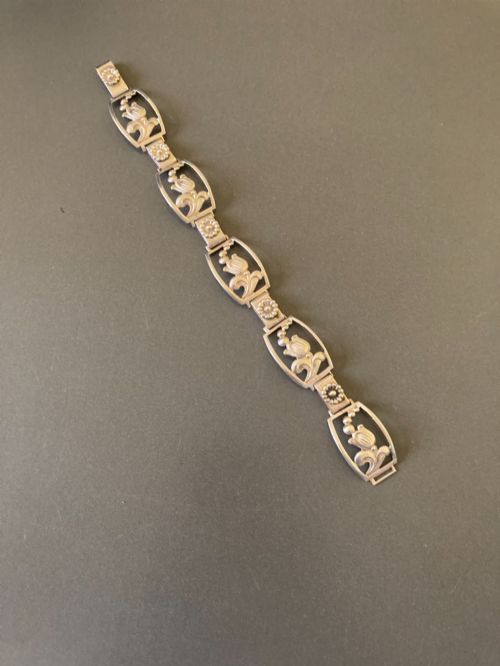
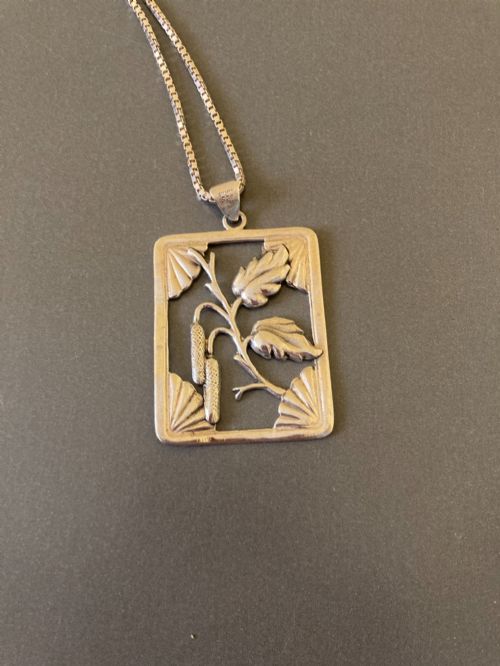
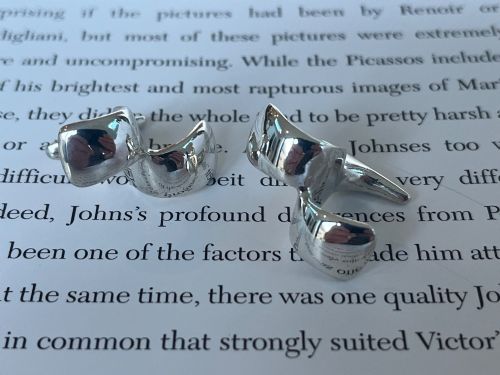
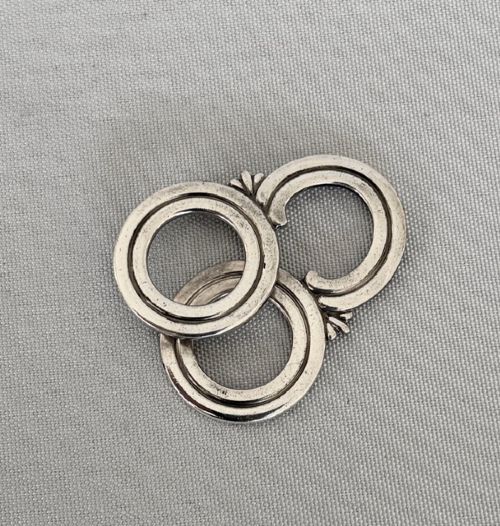
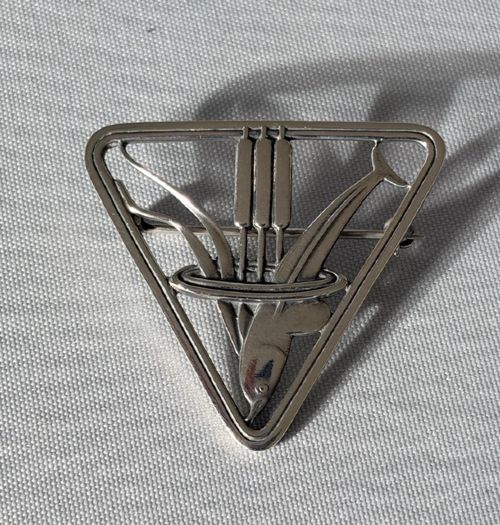
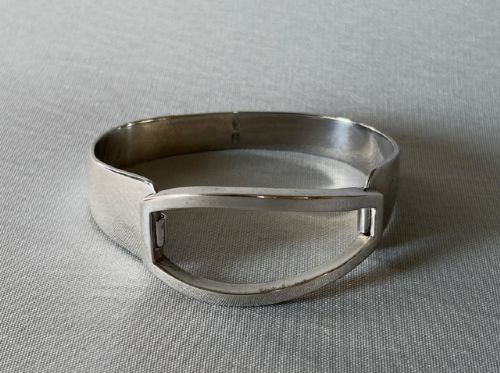
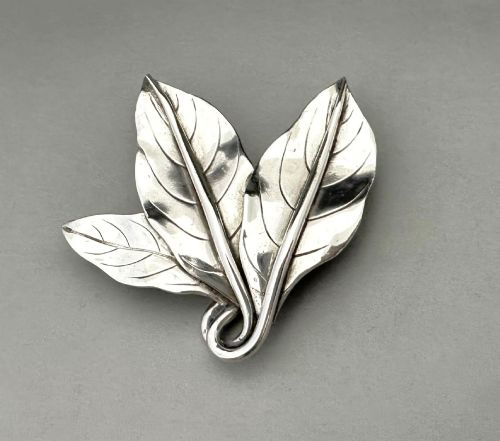
When you search for scandinavian sterling silver, you encounter personal ornaments and domestic items primarily from the mid twentieth century, alongside earlier Art Nouveau and Art Deco pieces. The selection here leans heavily towards Danish and Norwegian workshops, spanning everything from brooches and rings to caddy spoons and decorative boxes.
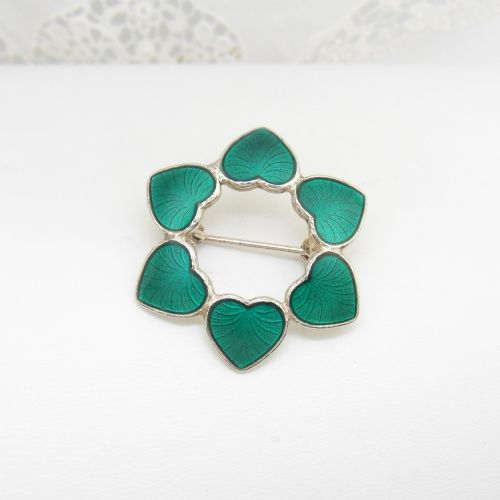
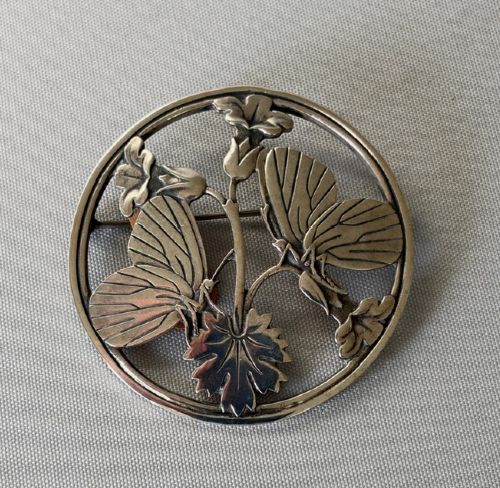
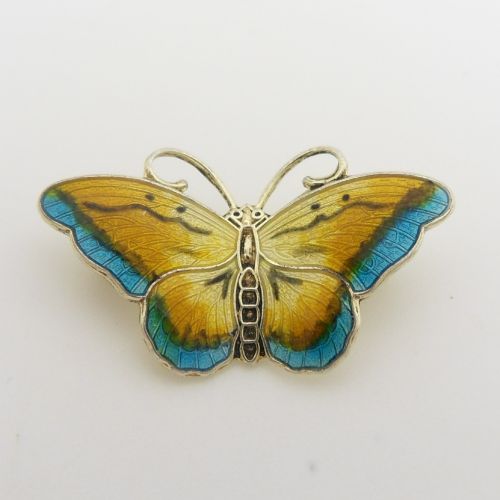
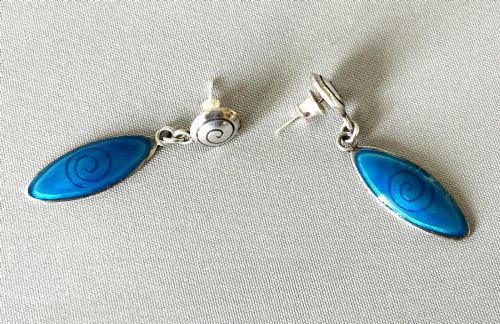
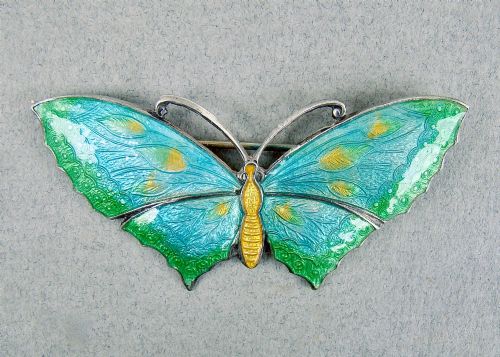
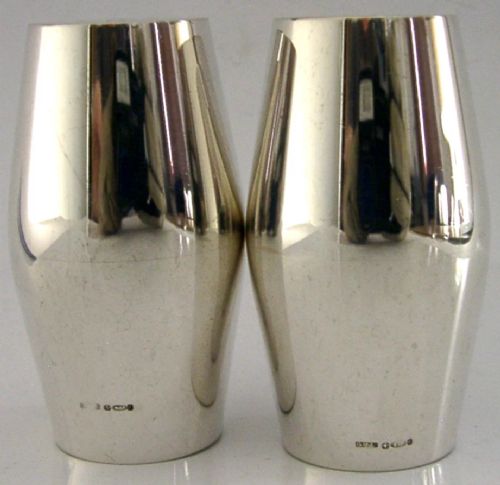
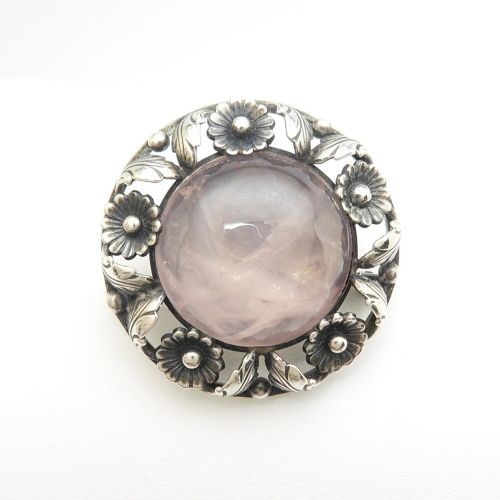
Wearable pieces dominate the field, particularly enamel butterfly brooches, flower brooches, and rings set with cabochon amethysts or amber. Alongside jewellery, functional domestic objects such as coffee spoons, sauce ladles, salt cellars, and substantial dressing table boxes appear frequently across the periods.
How They Were Made
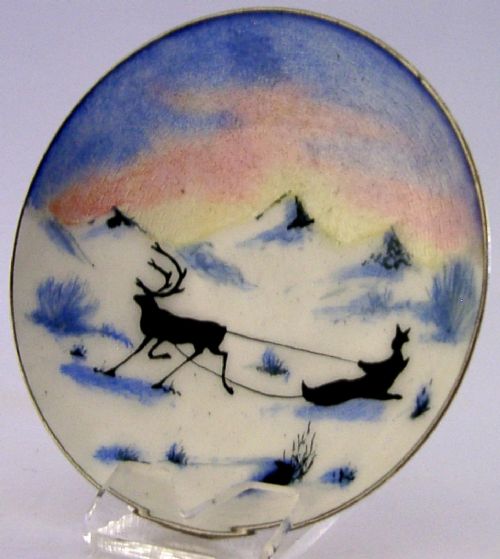
Silversmiths shaped these objects using traditional techniques of casting, hand engraving, and hammering, often pairing sterling silver with gold gilt or gold vermeil to create rich surface contrasts. Many pieces incorporate vitreous enamel and guilloche enamel applied over textured silver grounds, yielding translucent colour across butterfly wings, spoons, and floral motifs.
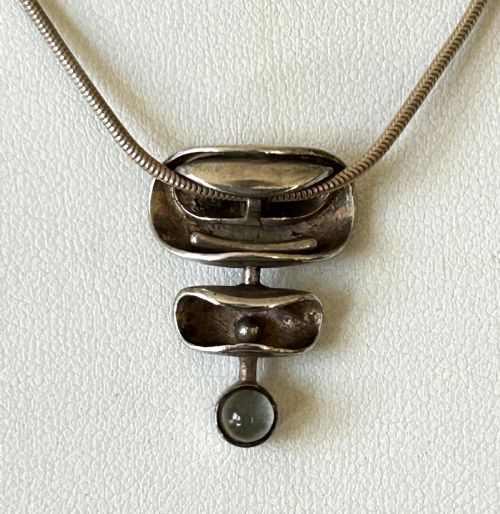
Stones such as cabochon amethysts and amber are bezel set into rings, bangles, and pendants, secured simply to highlight the natural qualities of the material rather than overwhelming the metalwork. Caddy spoons and hollowware utilise careful folding and soldering to achieve clean utility without visible joins.
Scandinavian Sterling Silver Retail Price Guide 2026
Typical asking prices for scandinavian sterling silver among the pieces listed under this phrase on Sellingantiques today, from the lower quarter to the upper quarter. They describe what is for sale here now, not the wider market.
Several tiny sewing thimbles emerge enamelled in bright red and rose, proving that even a sewing basket demanded Scandinavian artistry.
What Varies in Quality
Quality rests primarily on the depth of the silversmith's design and the crispness of execution, distinguishing standard production items from masterworks produced by prominent houses. Enamel work shows variation in its translucency and application, where smoother gradients and undamaged guilloche patterns elevate a piece considerably.
The weight of the silver and the integration of maker marks provide further distinction, particularly in larger hollowware and dressing table boxes where substantial metal gauge signifies superior manufacture.
K A Rasmussen·N E From·Georg Jensen·David Andersen·Aksel Holmsen·Sigvard Bernadotte·Randers Silver·Vivianna Torun Bulow Hube·Harald Nielsen
The Scandinavian Sterling Silver Glossary
- Guilloche enamel
- Enamel applied over engine turned metalwork. This technique creates repeating geometric patterns beneath a translucent coloured glass layer.
- Cabochon
- A gemstone shaped and polished with a smooth convex surface rather than faceted. This cut is commonly seen on amethysts and amber set into rings and bangles.
- Vitreous enamel
- Glass powder fused to metal through high temperature firing. It produces a durable, glossy surface frequently utilised in vibrant butterfly and floral brooches.
- Silver gilt
- Sterling silver coated with a thin layer of gold. This treatment adds warmth and protects the underlying silver from tarnishing.
- Skonvirke
- The Danish variant of Art Nouveau. This style emphasises organic motifs and traditional craftsmanship.
Scandinavian Sterling Silver: Frequently Asked Questions
How do I identify a Danish silver brooch?
Danish silver brooches often display the clean geometries of mid-century modernism or the organic curves of earlier art nouveau and skovirke designs. Look for maker marks and silver purity stamps on the reverse.
Many incorporate cabochon stones like amethyst or detailed enamel work depicting flowers or insects, reflecting the distinct aesthetic of Scandinavian silversmithing.
What is skvirke style silver?
Skonvirke represents the Danish iteration of the arts and crafts movement and art nouveau. It relies on nature inspired motifs and visible hand craftsmanship rather than industrial symmetry.
Pieces from this movement often feature stylised flora and fauna rendered in sterling silver with gentle textures.
How should I care for enamel silver?
Enamel consists of fused glass, so it requires gentle handling to prevent scratching or chipping. Clean the silver components carefully with a soft cloth while avoiding harsh chemical dips that can damage the glass or the underlying guilloche.
Store pieces individually in soft pouches to protect both the enamel and the sterling silver from impact.
Are caddy spoons marked with dates?
Many Scandinavian caddy spoons and hollowware items carry town marks, maker stamps, and occasionally year ciphers indicating their exact period of manufacture. These small stamps are typically placed discreetly on the underside or handle.
Examining these hallmarks helps date the piece accurately within the broader mid twentieth century production eras.