





Scandinavian Silver Enamel Pin
A scandinavian silver enamel pin brings bright vitreous colour to a lapel through mid-century craft and fine metalwork.
Scandinavian Silver Enamel Pin
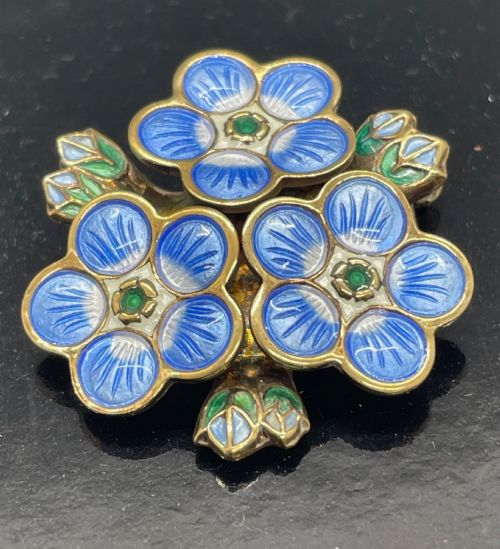
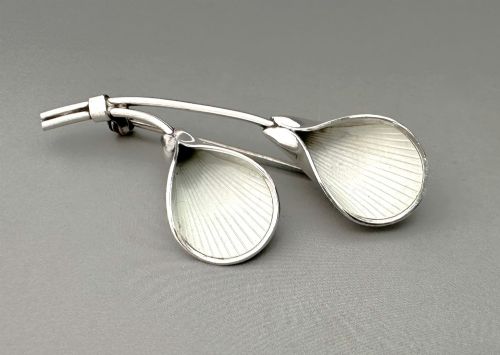
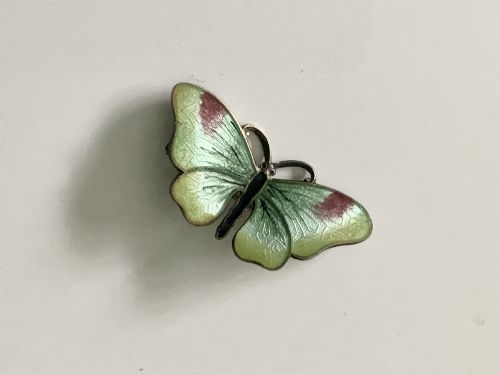
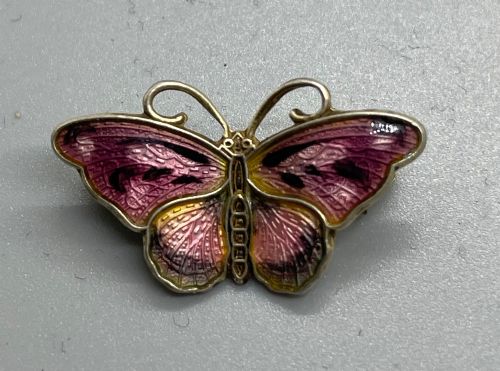
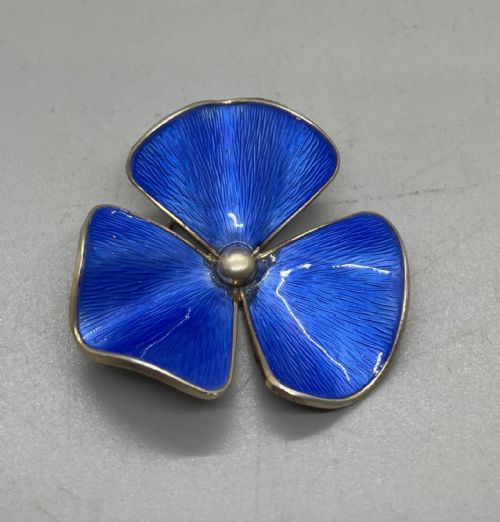
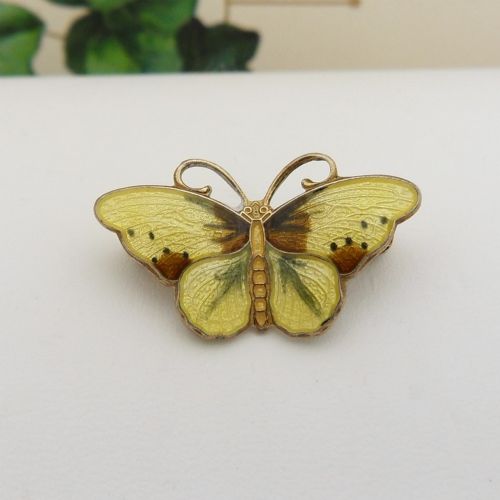
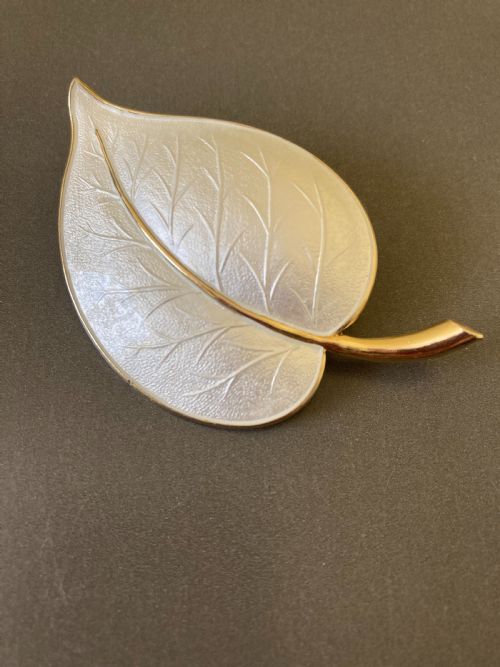
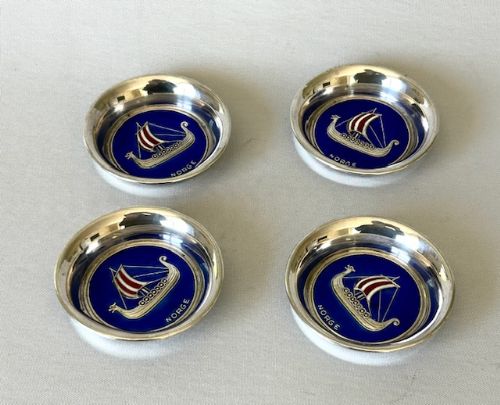
A scandinavian silver enamel pin takes the form of brooches and small trinket dishes shaped into flowers, butterflies, crowns, and Viking ships. These pieces emerge chiefly from Norwegian workshops operating across the Victorian era, the nineteen-twenties, thirties, forties, fifties, and sixties.
The buyer meets mid-century Scandinavian modern and Art Deco designs most frequently on this page. Makers shape sterling silver and silver gilt into detailed miniature sculptures finished with bright vitreous layers.
Makers configure these jewels as bar brooches or figural pins intended to fasten scarves and lapels. A smaller group of items serves as pin dishes rather than wearable ornaments.
How they were made
Silversmiths shape sterling silver, silver gilt, and gold vermeil into the foundational structure of each brooch. They apply vitreous enamel by hand into recessed cells or over engraved guilloche patterns cut directly into the metal.
Kiln firing melts the powdered glass into a glossy, translucent or opaque coating that bonds permanently with the silver base. Artisans then polish the hardened surface until the underlying engine-turned patterns shine through the colour.
Materials recur across sterling silver, silver gilt, and vitreous enamel, frequently shaped into butterflies, flowers, and Viking ships.
What varies in quality
Quality rests upon the crispness of the guilloche engraving beneath the translucent glass and the precision of the cloisonne wire placement. Superior pieces display even colour saturation across the enamel without pitting or cloudiness in the vitreous layer.
The complexity of the subject matter, from simple floral motifs to intricate butterflies and multi-tiered crowns, separates standard production from finer workshop outputs. Hallmarking clarity and the preservation of original gilding on the sterling silver further define the better examples.
David Andersen·Aksel Holmsen·Hroar Prydz·Gustav Gaudernack
The Scandinavian Silver Enamel Pin Glossary
- Guilloche
- An ornamental pattern engraved mechanically onto metal using a lathe before enamel is applied. This technique allows light to reflect through the transparent glass layer in geometric waves.
- Vitreous Enamel
- A material made by fusing powdered glass to a metallic substrate at high temperature. The resulting surface resists scratching and retains its vibrant hue indefinitely.
- Silver Gilt
- Sterling silver coated with a thin layer of gold on the exterior. This treatment provides a warm golden tone while maintaining the structural strength of silver underneath.
- Sterling Silver
- An alloy composed of silver and other metals designed to increase durability for jewellery. Pieces stamped with this standard contain high purity silver content.
- Cloisonne
- A decorative metalwork technique where thin metal wires are soldered to a base to form compartments for enamel paste. These wires create the distinct outlines seen in floral and butterfly designs.
Scandinavian Silver Enamel Pin: Frequently Asked Questions
How do I clean my enamel brooch?
Clean these brooches gently using a soft cloth moistened with warm water and mild soap. Avoid harsh chemical dips or ultrasonic cleaners because abrasive agents can damage the delicate vitreous glass surface.
Dry the piece thoroughly immediately after washing to protect the sterling silver or silver gilt mounts from moisture damage. Store each brooch separately in a lined box to prevent scratching against other jewellery.
Are these pins made of solid silver?
Most pieces utilise sterling silver as the primary structural metal for the body and pin mechanisms. Some items feature silver gilt or gold vermeil, which adds a layer of gold over the silver base for a richer colour.
Makers frequently applied hallmarks to the reverse of the metal to denote the silver standard and workshop origin. These stamps help verify the metallic composition and attribute the work to specific Scandinavian studios.
How can I tell a 1930s pin from a 1950s piece?
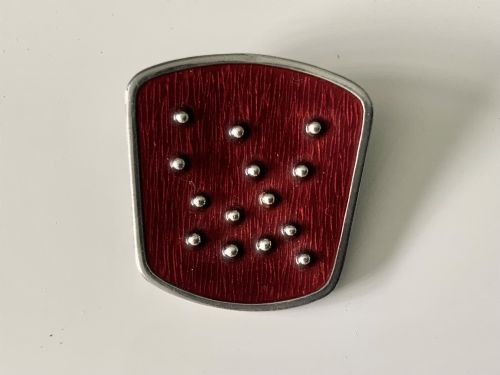
Pieces from the nineteen-thirties often reflect Art Deco geometry or naturalistic butterfly forms with restrained enamel palettes. Works from the nineteen-fifties lean heavily into Scandinavian modern aesthetics, featuring bold floral shapes and vibrant red or blue guilloche panels.
Examining the clasp style and pin mechanism provides further clues to the manufacturing decade. Earlier safety catches differ noticeably from the simpler hinged pins standard in mid-century production.
How were these trinket dishes used?
Pin dishes served as small decorative trays placed on dressing tables or desks to hold pins, cuff-links, and small accessories. Their enamelled centres matched the aesthetic of the wearable brooches produced in the same workshops.
Owners often displayed them alongside matching jewellery sets when not in active daily use. Today, collectors utilise them in similar tabletop displays or mount them for wall presentation.