





Scandinavian Dining Table
A scandinavian dining table brings a bright, practical warmth to a room, combining honest timber construction with centuries of Nordic craft.
Scandinavian Dining Table
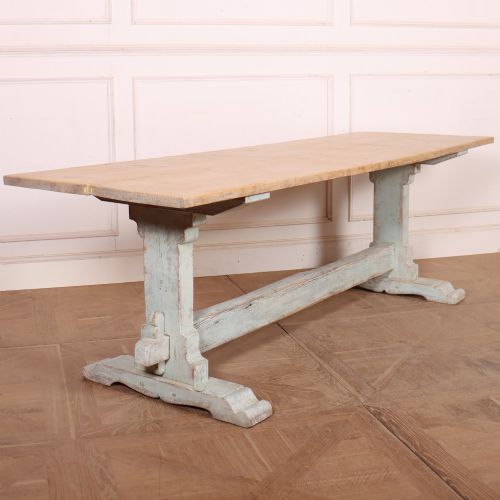
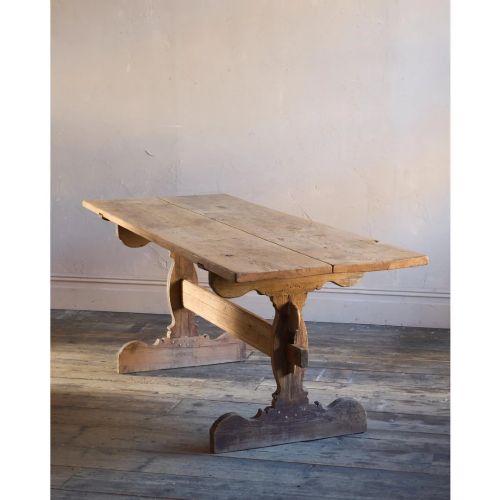
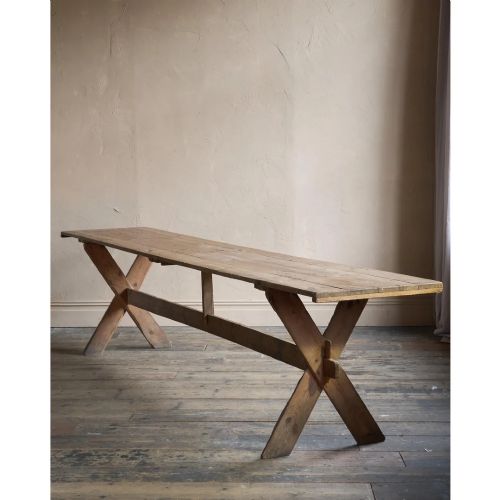
A scandinavian dining table encompasses robust pine kitchen furniture, elegant painted supper tables, and large trestle designs built for gathering. These pieces range from rustic eighteenth-century examples to refined late nineteenth-century styles.
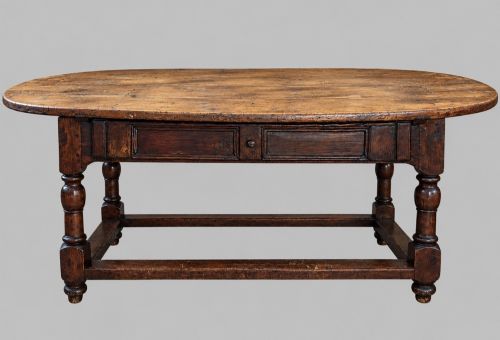
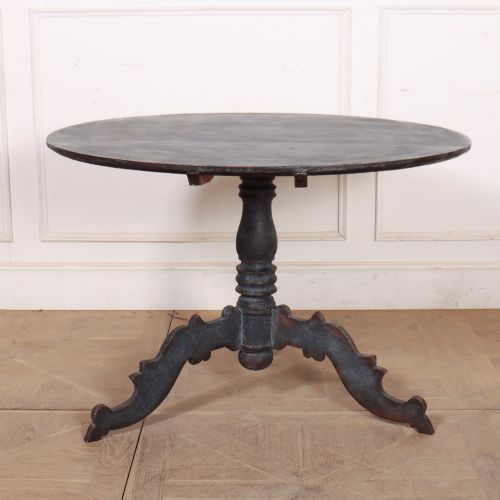
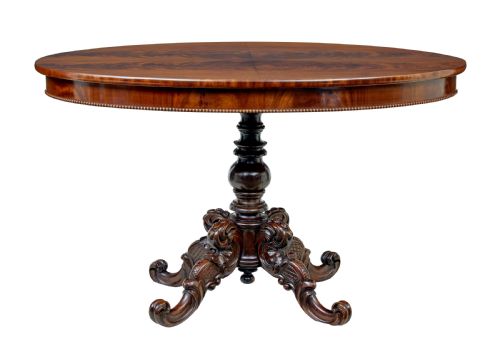
The most common formats on this page are generous painted pine kitchen tables and versatile drop-leaf or gateleg configurations designed to adapt to smaller spaces. Buyers will also encounter oval centre tables and specialised preparation tables originating from Sweden.
Stylistically, the selection moves between simple country interpretations, Gustavian elegance, and occasional twentieth-century Art Deco inlaid birch pieces. The underlying purpose remains utilitarian, rooted in domestic family life and hospitality.
Materials and Construction
Makers relied heavily on native softwoods and hardwoods, constructing heavy frames predominantly from pine, oak, and birch. Timber surfaces were often left natural or finished with traditional Falu paint and layered painted treatments.
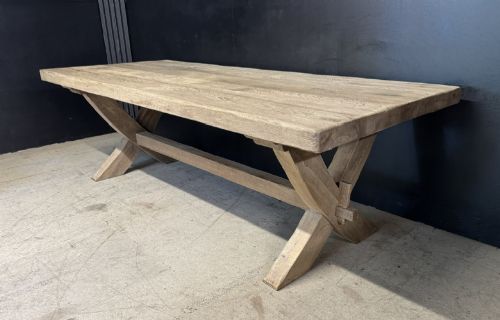
Joinery methods prioritized durability, utilising sturdy trestle supports, X-frames, and practical drop-leaf mechanisms. Cabinetmakers also applied fine wood veneers and intricate inlay work on later Art Deco centre tables.
Scandinavian Dining Table Retail Price Guide 2026
Typical asking prices for scandinavian dining table among the pieces listed under this phrase on Sellingantiques today, from the lower quarter to the upper quarter. They describe what is for sale here now, not the wider market.
Current listings feature pieces spanning from the eighteenth century through to 1940, predominantly constructed from pine, birch, and oak.
Judging Quality and Distinction
Distinction across these tables rests on the integrity of the original timber and the authenticity of the surface finish. Early painted surfaces that show natural weathering and age hold a different appeal compared to later or renewed coats.
Proportion and structural balance separate standard utilitarian boards from finer architect-designed or cabinet-made pieces. The finesse of hand-carved details on oval centre tables and the clever engineering of folding leaves also distinguish superior examples.
The Scandinavian Dining Table Glossary
- Slagbord
- A traditional Scandinavian drop-leaf table with hinged flaps supported by swing legs. These tables offered flexible dining space in historic homes.
- Falu red
- A deep red paint historically used in Sweden, derived from copper mine waste. It provided a durable protective coating for wood.
- Biedermeier
- A Central European and Scandinavian design style from the nineteenth century focusing on utility and clean lines. It favoured birch and walnut veneers.
- Trestle table
- A table consisting of two or more support frames connected by a longitudinal beam. This construction maximises legroom along the length of the top.
- Gateleg table
- A table with hinged leaves supported by legs that swing out like a gate. This mechanism provides sturdy support for extended tabletops.
Scandinavian Dining Table: Frequently Asked Questions
How do I choose the right size?
Consider the daily footprint of the table and whether you require drop-leaf mechanisms for extending the surface during gatherings. Measuring your room carefully ensures adequate clearance around trestles and X-frames.
Keep in mind that many historic tables were built for specific domestic tasks, so checking both open and closed dimensions is essential for modern living spaces.
How do I care for a painted wood finish?
Historic painted surfaces require gentle cleaning with a dry or barely damp cloth, avoiding harsh modern chemical cleaners. Natural beeswax can sometimes be used to nourish exposed pine or oak elements.
Protect the top from excessive moisture and heat to preserve the integrity of traditional Falu paint and aged layers.
What is a preparation table?
A preparation table is a functional work table historically used in Scandinavian kitchens for food and domestic tasks. These pieces often feature robust pine tops built to withstand heavy daily use.
Today, they function well as kitchen islands or characterful dining surfaces within contemporary homes.
How do I identify a Gustavian piece?
Gustavian pieces draw inspiration from French neoclassical styles adapted through a restrained Swedish lens. They typically exhibit lighter painted finishes, symmetrical lines, and understated classical carving.
These tables often present a more formal appearance than rustic country pine furniture.