



Scandinavian Bedside Cabinets
Scandinavian bedside cabinets bring clean Nordic design and practical storage to a bedroom, prized for their distinctive timber and painted finishes.
Scandinavian Bedside Cabinets
Scandinavian bedside cabinets encompass compact bedside tables, cupboards, and small chests of drawers originating from Sweden across the nineteenth and early twentieth centuries. When searching for scandinavian bedside cabinets, buyers encounter everything from austere country painted pieces to sophisticated polished birch examples.
Origins are distinctly Swedish, drawing upon regional vernacular traditions and refined metropolitan workshops alike. These items range from nineteenth century painted softwood to richly figured satin birch from the nineteen-thirties.
How they were made
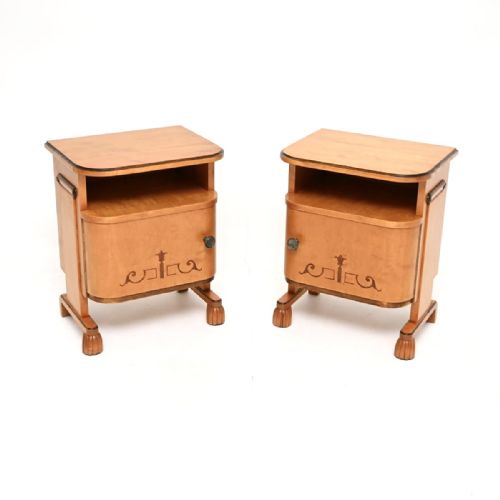
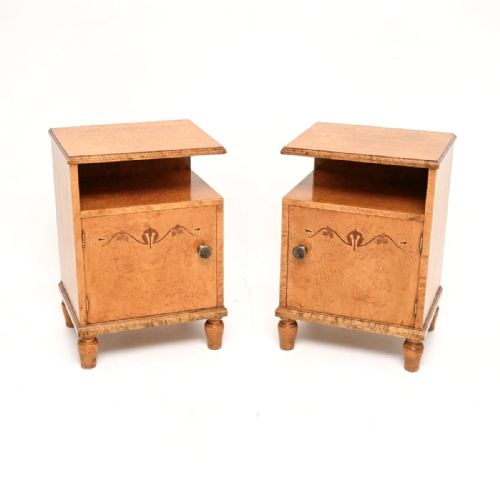
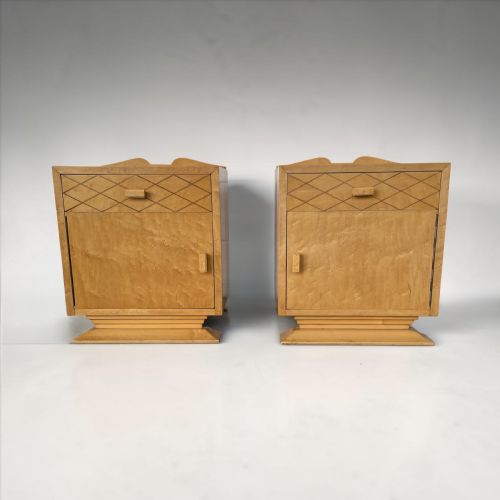
Cabinetmakers utilised native timbers such as birch, pine, and softwood, frequently applying decorative veneers to create figured surfaces. Satin birch veneers deliver striking grain patterns, particularly on nineteen-thirties Art Deco designs.
Painted finishes form a major category, with softwood and pine structures receiving layers of white or neutral paint that reflect Scandinavian light. Brass hardware frequently punctuates these surfaces, providing functional handles and escutcheons.
Marble tops appear on select nineteenth-century examples, combining stone surfaces with timber carcases for added durability. Construction relies on traditional joinery methods suited to the demands of domestic furniture.
Scandinavian Bedside Cabinets Retail Price Guide 2026
Typical asking prices for scandinavian bedside cabinets among the pieces listed under this phrase on Sellingantiques today, from the lower quarter to the upper quarter. They describe what is for sale here now, not the wider market.
The inventory spans the nineteenth century, nineteen-twenty, and nineteen-thirties, covering Gustavian, Biedermeier, and Art Deco movements.
What varies in quality
The refinement of the timber selection dictates much of the distinction between standard and superior pieces. Highly figured satin birch veneer demands expert application and matching across drawer fronts, whereas simpler pine relies entirely on surface paint quality.
Stylistic purity and proportion separate workshops, particularly in how Gustavian or Art Deco idioms are executed. Original hardware and matching pairs command greater architectural cohesion than assembled sets or pieces with replaced handles.
The Scandinavian Bedside Cabinets Glossary
- Gustavian
- The Swedish neoclassical style spanning the late eighteenth and nineteenth centuries, characterised by restrained carving, pale paint, and classical restraint. It draws direct inspiration from French Louis XVI design.
- Satin Birch
- A pale hardwood with a lustrous, shimmering grain that was favoured by Scandinavian cabinetmakers during the Art Deco period. It takes a high polish to emphasise its natural figuring.
- Biedermeier
- A prosperous Central European and Scandinavian middle-class style from the nineteenth century focusing on utilitarian comfort and clean lines without excessive ornamentation. Birch and other light woods are frequently utilised.
- Commode
- A low chest of drawers or cabinet with doors, originating as a French form but widely adopted across Sweden. These pieces often serve double duty as bedside storage.
Scandinavian Bedside Cabinets: Frequently Asked Questions
What periods do these cabinets date from?
The pieces span the nineteenth century through to nineteen-thirty, capturing various historical revivals.
Nineteenth-century examples lean towards painted softwood and Gustavian influences, while later items embrace Art Deco satin birch.
Are most of these cabinets sold in pairs?
A significant portion of the inventory consists of matched pairs, making them ideal for symmetrical bedroom placement.
Single cupboards and commodes also appear regularly for asymmetric interior schemes.
What materials are most common?
Pine and painted softwood dominate the nineteenth-century country pieces, often finished in white or pale tones.
Birch veneer and solid satin birch define the later Art Deco items, frequently complemented by brass fittings.
How do I care for a painted Swedish cabinet?
Painted softwood surfaces require gentle dusting with a dry cloth and protection from moisture and direct sunlight.
Avoiding harsh chemical cleaners preserves the historic painted finish and patina over time.