


Scandinavian Art Painting
Scandinavian art painting brings together centuries of regional expression, offering layered oils and painted surfaces that anchor a room.
Scandinavian Art Painting
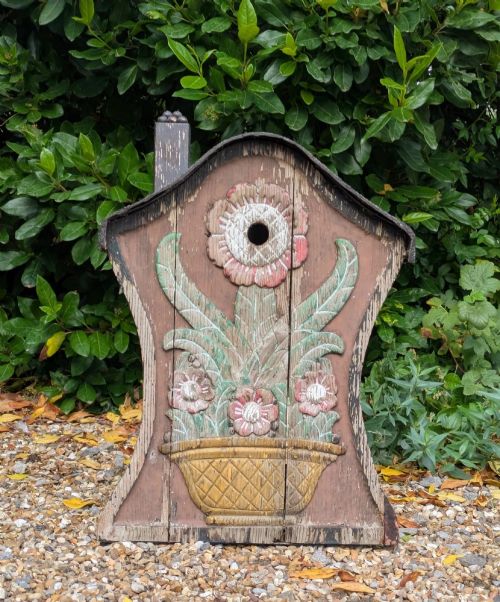
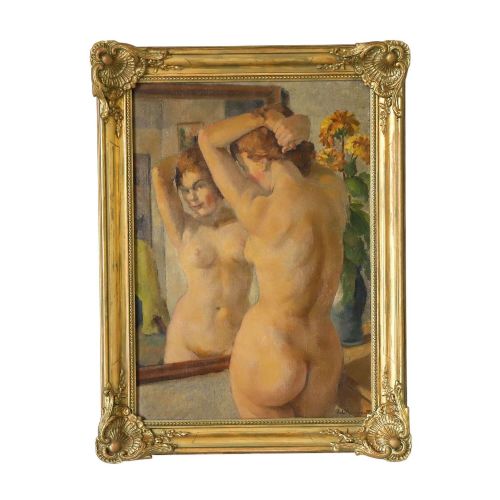
When someone searches for a scandinavian art painting, they encounter a range of works stretching from the eighteenth century into the mid-twentieth century. The selection spans quiet interior scenes and landscape studies executed in oil on canvas alongside regional decorative woodwork carrying traditional paint.
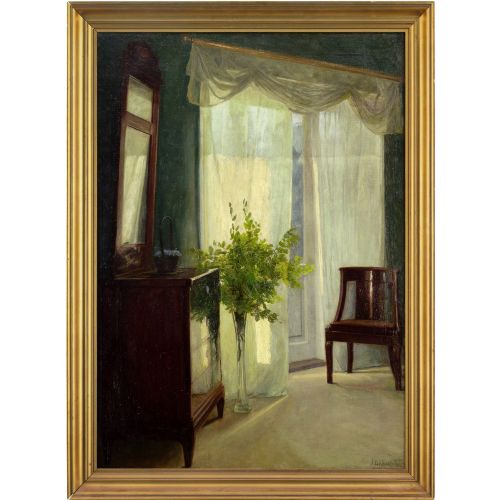
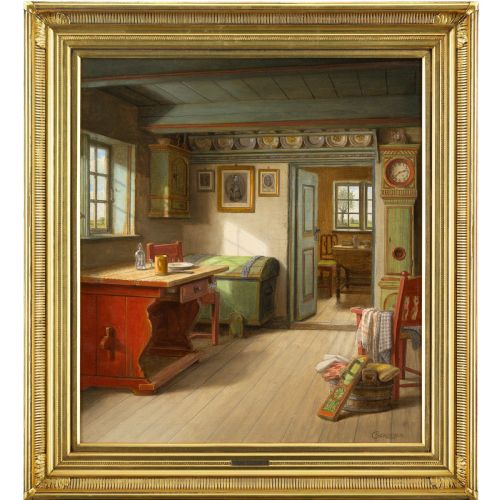
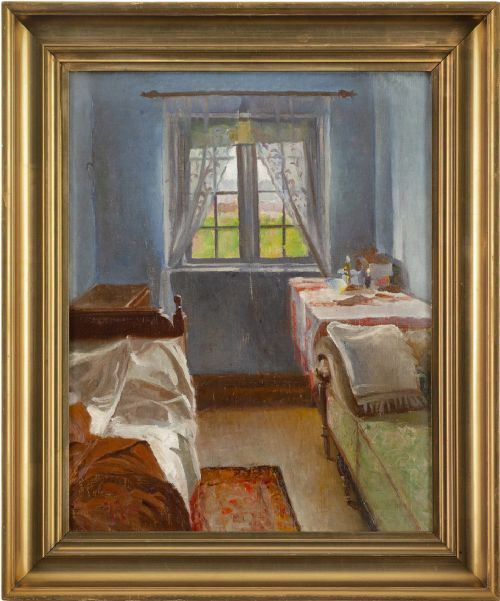
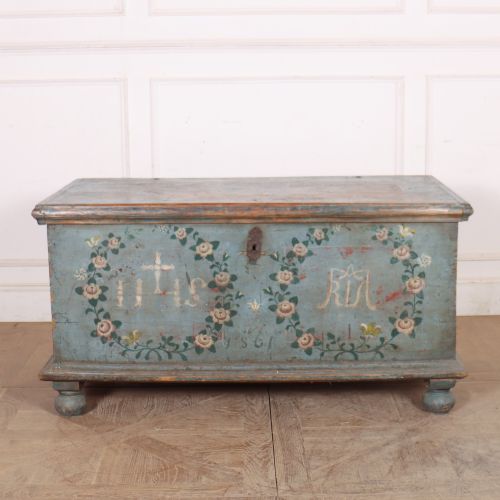
Oil paintings on this page capture specific moments of northern light, domestic bedrooms, and monastic views by known artists such as C. Sørensen, John Lübschitz, Harald Foss, Harry Kluge, and Valdemar Magaard. Alongside these canvases sit painted pine chests, cupboards, and marriage chests that form part of the wider folk tradition.
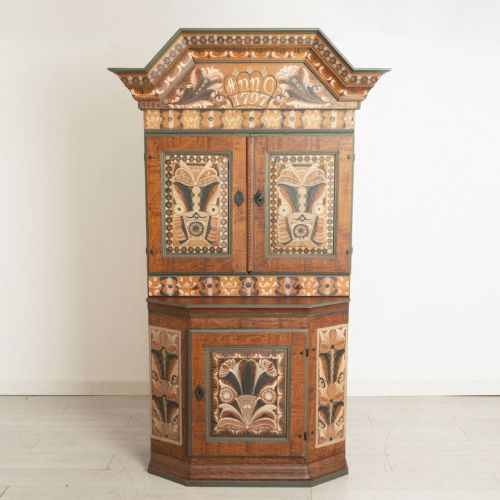
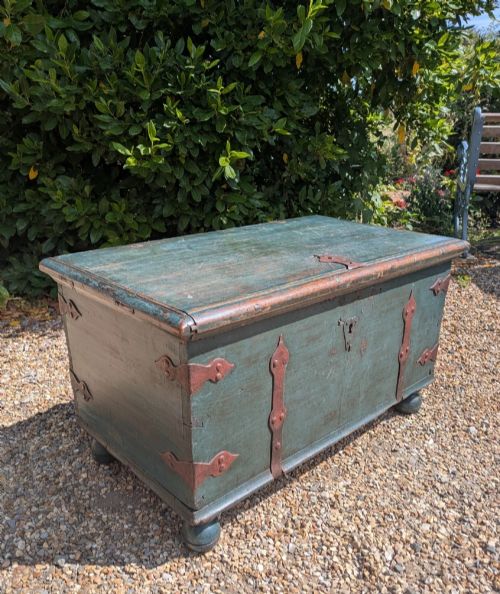
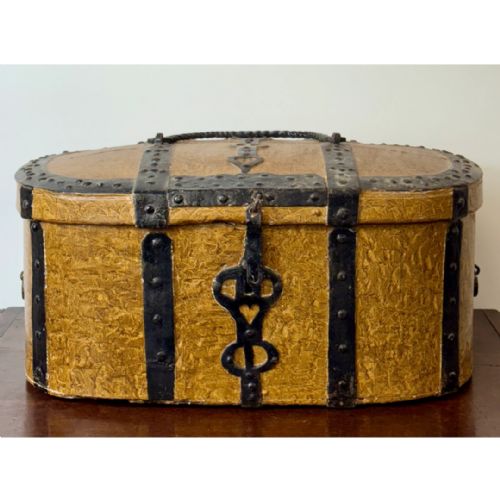
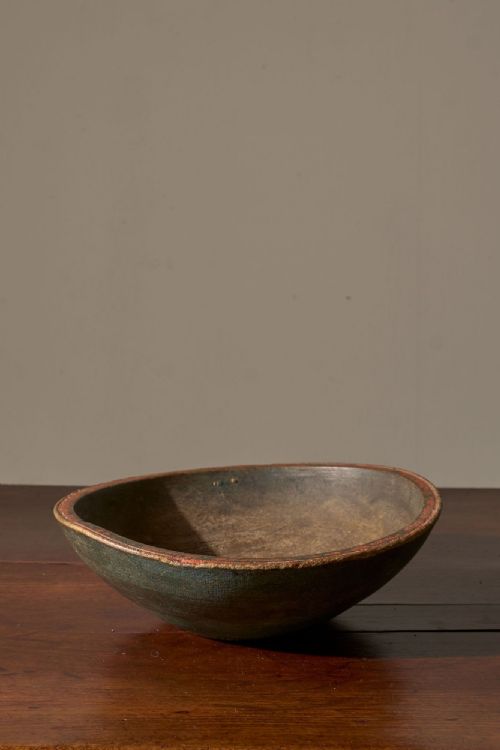
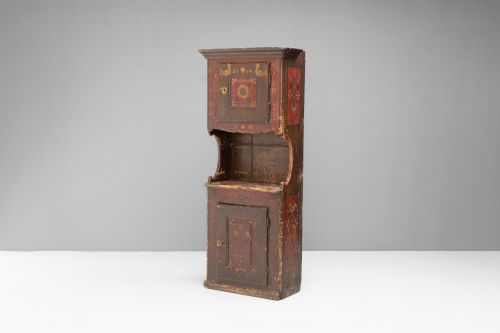
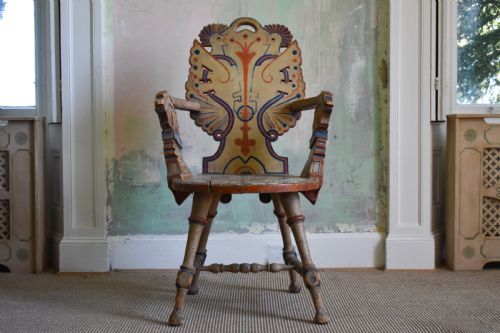
The objects derive largely from Swedish workshops and country houses, moving between formal realism and regional folk styles. Pieces range from small boxes and bowls to larger case furniture decorated with hand-forged iron strapwork and simulated birch finishes.
Materials and construction
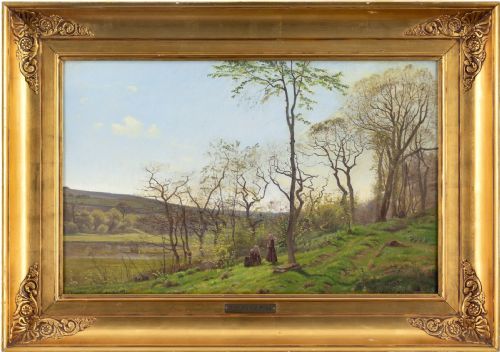
Canvases rely on traditional oil media stretched across wooden frames, capturing brushwork and tonal variation developed by nineteenth and twentieth-century painters. Artists built compositions using layered pigments to render sunlight filtering through garden doors or quiet morning interiors.
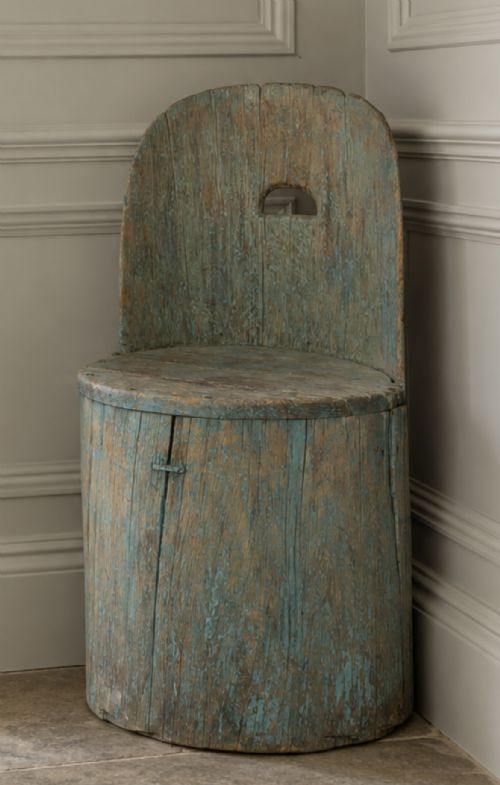
Furniture and boxes use native pine and solid wood assembled with pegged joints or iron strapwork. Surfaces are coated in historic paint layers, often preserving original pigment schemes ranging from deep greens to simulated wood grains applied by makers like Gemla Fabrikers.
Scandinavian Art Painting Retail Price Guide 2026
Typical asking prices for scandinavian art painting among the pieces listed under this phrase on Sellingantiques today, from the lower quarter to the upper quarter. They describe what is for sale here now, not the wider market.
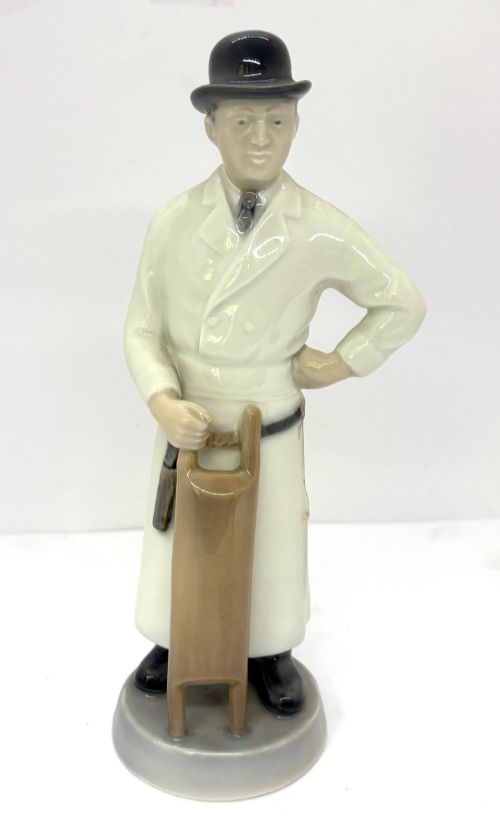
Royal Copenhagen once cast a porcelain figure titled The Butcher, proving that even stoneware makers appreciated a sharp apron.
Distinguishing quality
Quality rests on the directness of the brushwork in oil paintings and the survival of original painted surfaces on wooden pieces. Canvases that successfully capture atmospheric light through composition and tonal control stand apart from routine decorative works.
On chests and cupboards, the integrity of the early paint layer and the crispness of hand-forged ironwork dictate the standing of the piece. Unaltered surfaces with genuine patination carry greater visual weight than later restorations.
C. Sørensen·John Lübschitz·Harald Foss·Harry Kluge·Valdemar Magaard·Philippe de Rougemont·Carl Johan Fahlcrantz·Gemla Fabrikers
The Scandinavian Art Painting Glossary
- Oil on Canvas
- Pigments bound in a drying oil applied to a woven fabric support stretched over a wooden frame. This medium allows for subtle blending of light and shadow.
- Folk Art
- Objects created by self-taught or regionally trained artisans working within traditional community styles. These pieces prioritize practical utility and local aesthetic customs over academic academic conventions.
- Strapwork
- Decorative metal bands or hinges fixed across the exterior of trunks and strong boxes for reinforcement and visual contrast. Wrought iron versions are shaped by hand at the forge.
- Marriage Chest
- A large storage box commissioned or decorated to mark a wedding union, frequently inscribed with dates or initials. These items served as central storage units in domestic interiors.
- Coffer
- A heavy wooden box or chest used for storing valuables or textiles, often fitted with a hinged lid and iron carrying handles.
Scandinavian Art Painting: Frequently Asked Questions
What subjects appear in these paintings?
The canvas works focus on domestic interiors, bedroom scenes, and quiet morning views. Artists also record specific regional landscapes, such as monastery views in Jutland.
These compositions reflect nineteenth and twentieth-century Scandinavian interest in domestic comfort, natural light, and local topography.
How were painted wooden pieces used?
Cupboards, chests, and strong boxes served practical storage functions in rural homes and farmsteads. Marriage chests specifically held dowry items and textiles for newly established households.
Strong boxes often incorporated heavy iron strapwork to secure valuables and documents against theft or fire.
Are the paint surfaces original?
Many items retain their early or original paint schemes applied directly to pine and wood supports. These historic finishes show natural wear and patination accumulated over generations of domestic use.
Certain pieces feature simulated wood graining or specific regional colour palettes applied during manufacture by regional workshops.
How do I care for antique oil paintings?
Keep canvases away from direct sunlight and fluctuating humidity levels to prevent pigment degradation and canvas warping. Dust the surface gently with a soft, dry brush without applying pressure to the paint layer.
Avoid using liquid cleaners or abrasive cloths on historic oil paintings or painted wooden surfaces.