




Satsuma Crackle Glaze Urn
These satsuma crackle glaze urn forms and related vases bring intricate Japanese earthenware and Meiji period artistry straight into your room.
Satsuma Crackle Glaze Urn
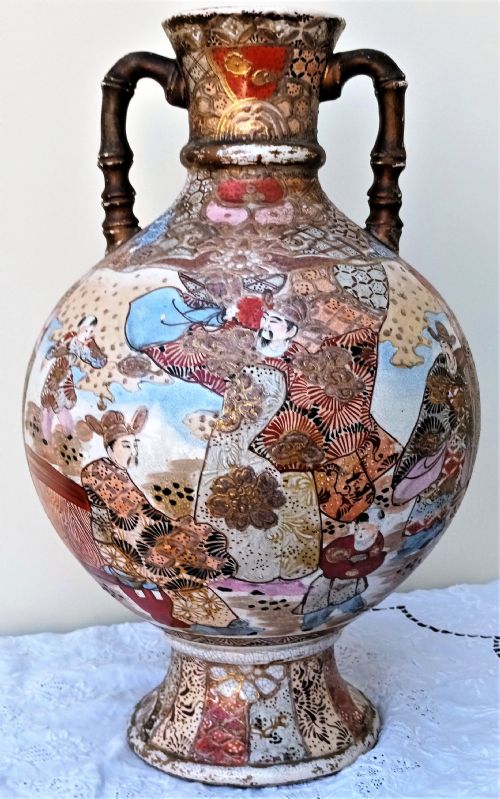
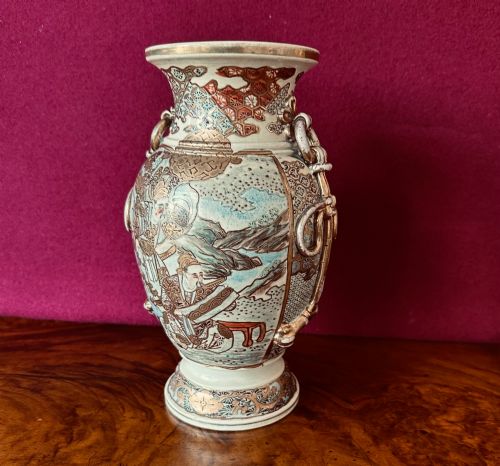
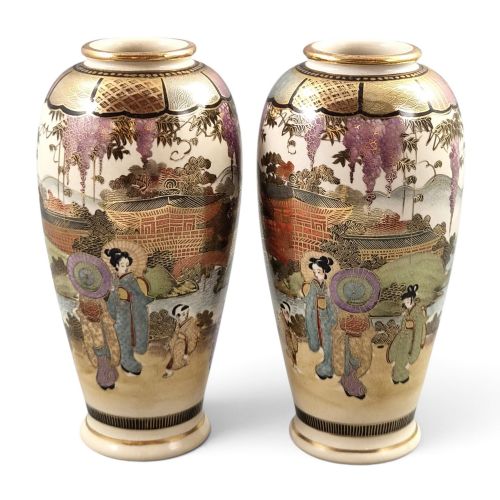
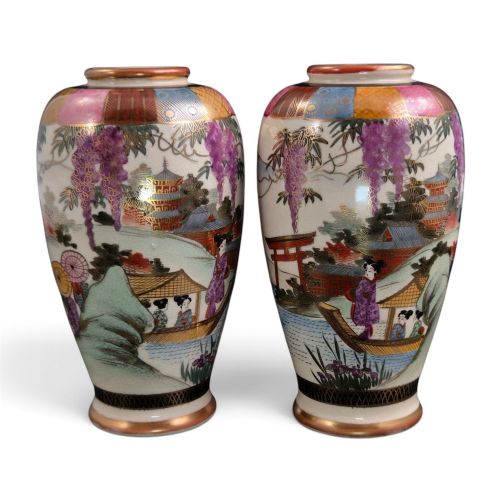
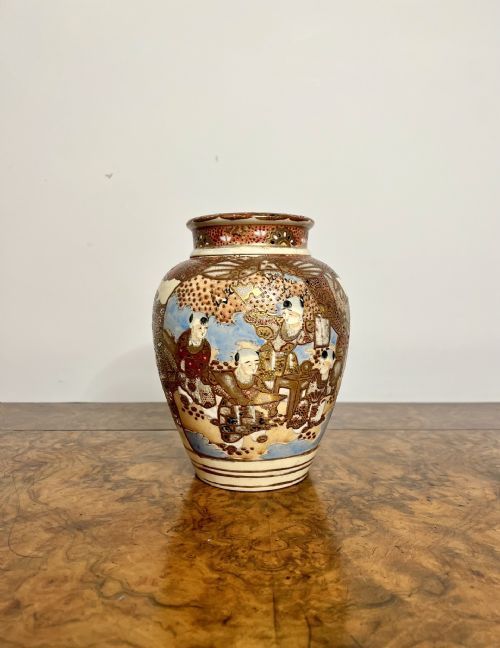
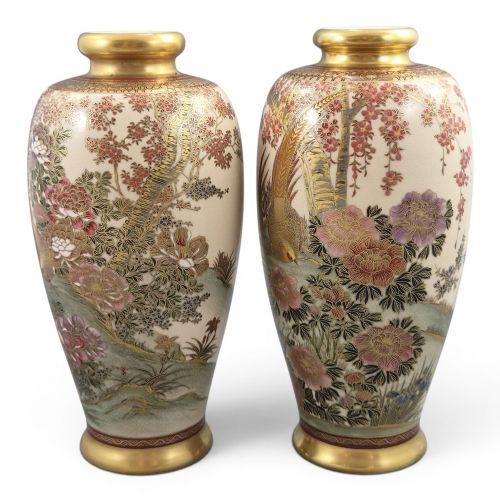
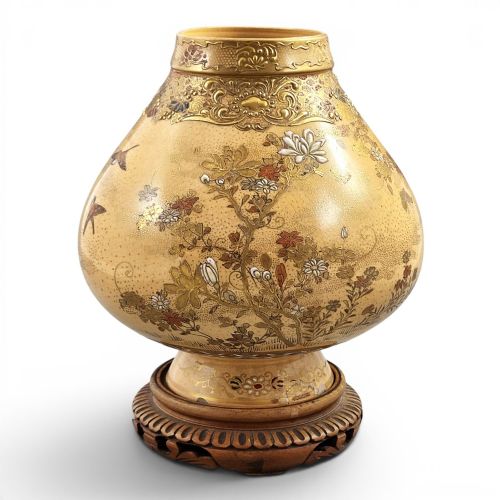
When you search for a satsuma crackle glaze urn, you encounter earthenware vessels and vases originating from Japan, predominantly during the Meiji period, alongside Victorian, Edwardian, Taisho, and early Showa dates. These pieces encompass ginger jars, garnitures, and baluster or hexagonal vases featuring detailed pictorial scenes.
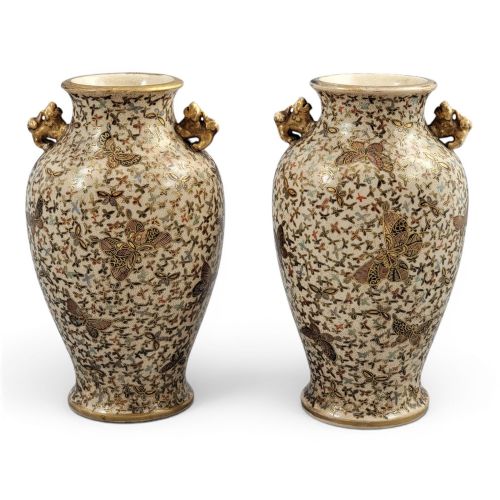
The objects most frequently met on this page are pairs of vases and individual jars decorated with court figures, landscapes, wisteria, and thousand butterfly motifs. Many items carry signatures from notable Kyoto workshops and makers such as Kinkōzan, Manpei, and Chosei, spanning the late nineteenth and early twentieth centuries.
How these ceramics were constructed
Makers shaped these vessels from earthenware clay, applying a characteristic glaze that developed an intentional network of fine surface cracks. Artisans then hand painted intricate figural scenes and natural subjects directly onto the ceramic body.
Gold leaf, gilt, and moriage relief work were layered over the painted surfaces to highlight court figures, dragons, and floral motifs. This combination of crackle glaze, enamel colours, and delicate gilding defined the production standards of the period.
Satsuma Crackle Glaze Urn Retail Price Guide 2026
Typical asking prices for satsuma crackle glaze urn among the pieces listed under this phrase on Sellingantiques today, from the lower quarter to the upper quarter. They describe what is for sale here now, not the wider market.
One exceptional grouping crams precisely one thousand tiny butterflies onto the surface of a single vase.
What separates standard pieces from the finest works
The distinction between ordinary and exceptional examples rests upon the precision of the hand painting and the clarity of the underlying crackle glaze. Superior pieces exhibit meticulously rendered facial expressions on court figures and precise application of gold gilt.
Works attributed to renowned workshops and signed by master artists demonstrate a higher tier of craftsmanship in the composition of landscapes and architectural details. The crispness of the moriage relief and the balance of the cobalt grounds further elevate the standing of a vessel.
Shozan·Manpei·Kinkōzan Workshop·Kinzan·Chosei·Seiko-en Chokei·Hattori·Hayakawa
The Satsuma Crackle Glaze Urn Glossary
- Satsuma Ware
- Japanese earthenware pottery featuring a distinctive creamy crackle glaze decorated with enamel and gold. It originated in Satsuma Province before production spread to major urban centres like Kyoto.
- Moriage
- A technique of applying slip in raised dots or lines to create textured decorative relief on ceramics. It frequently outlines robes, armour, and floral elements.
- Meiji Period
- The era in Japanese history spanning from 1868 to 1912, marked by industrialisation and a surge in export art. Much of the finest painted earthenware dates to these decades.
- Baluster
- A vase form with a rounded body that tapers toward a narrow neck and flares at the mouth. This silhouette provides a stable canvas for expansive landscape scenes.
- Garniture
- A matched set of ceramic vases or jars designed to be displayed together on a mantelpiece or sideboard. These sets typically comprise three or more matching vessels.
- Rakan
- Enlightened followers of the Buddha depicted in traditional Asian art as wise ascetics. They appear alongside dragons and court figures on hexagonal vases.
Satsuma Crackle Glaze Urn: Frequently Asked Questions
What periods do these pieces date to?
The pieces span the late nineteenth century through the Meiji, Victorian, and Edwardian eras into the Taisho and early Showa periods. Most examples cluster around the Meiji period and the decades immediately following.
Dates are determined by stylistic markers, workshop signatures, and manufacturing methods recorded across the inventory. Pieces range from nineteenth century Kyoto production to 1920s export items.
How were these vases displayed originally?
These ceramic vessels and ginger jars served as decorative display items in period interiors, often arranged as matched pairs or larger garniture sets on mantels and tables. Their intricate enamel and gilt work suited formal reception rooms.
Today, they function as focal points in period settings, requiring stable placement away from high traffic areas to protect their hand painted surfaces.
What is crackle glaze?
Crackle glaze is a deliberate network of microscopic fissures in the ceramic surface caused by differences in contraction rates between the body and the glaze during cooling. It creates a web-like pattern across the background.
This finish is characteristic of Satsuma ware and provides a textured backdrop for the subsequent enamel painting and gilding.
How do I spot a signed piece?
Signatures and workshop marks are typically hand-painted in gold or red pigment on the base of the vessel. They name the artist, studio, or Kyoto workshop responsible for the decoration.
Reading these marks requires careful inspection under good light, as many signatures are delicate and integrated into the surrounding glaze details.