

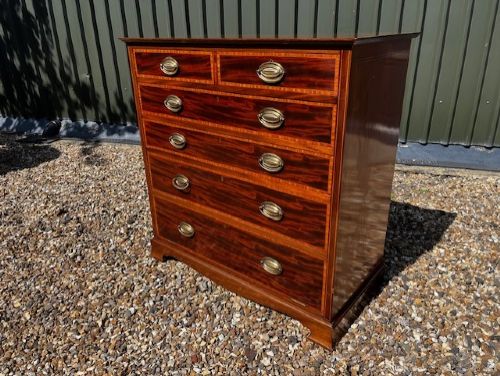


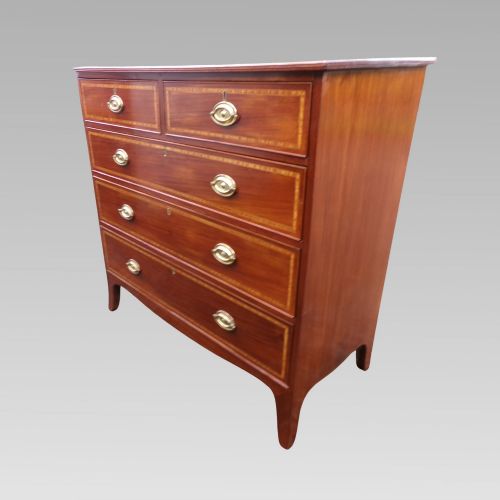

Satinwood Storage Dresser
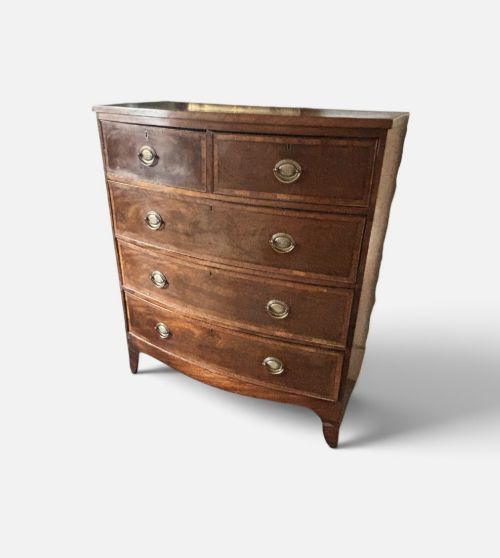
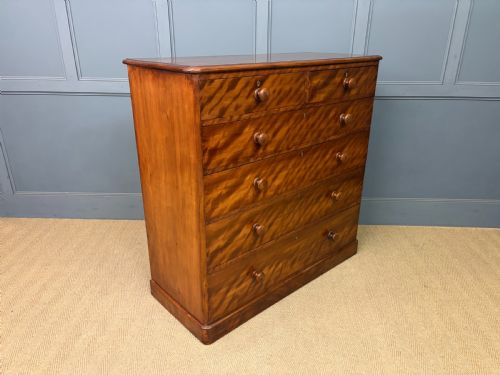
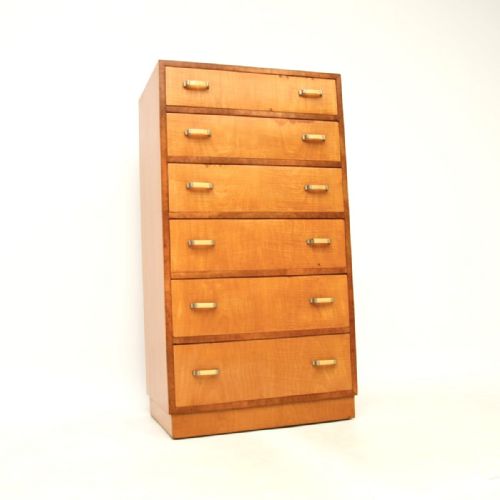
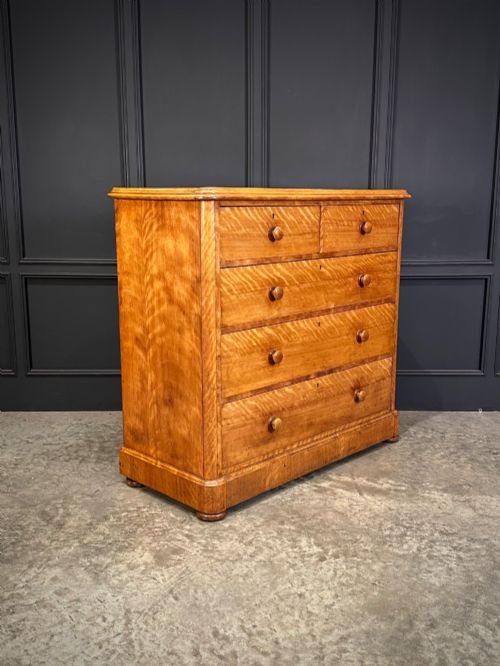
A satinwood storage dresser delivers refined timber grain and practical capacity, bringing enduring utility and classic character to a room.
Satinwood Storage Dresser
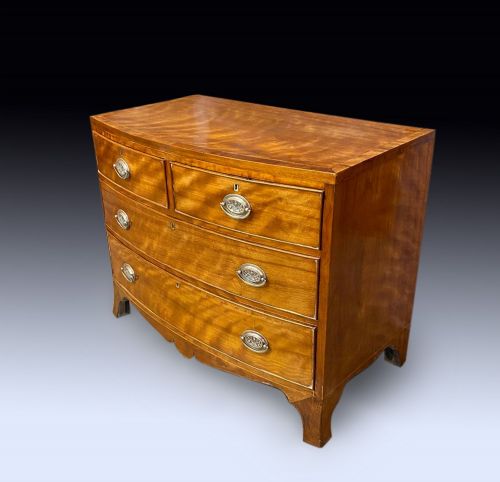
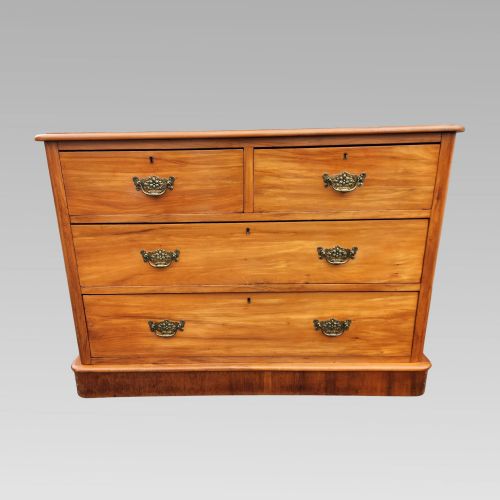
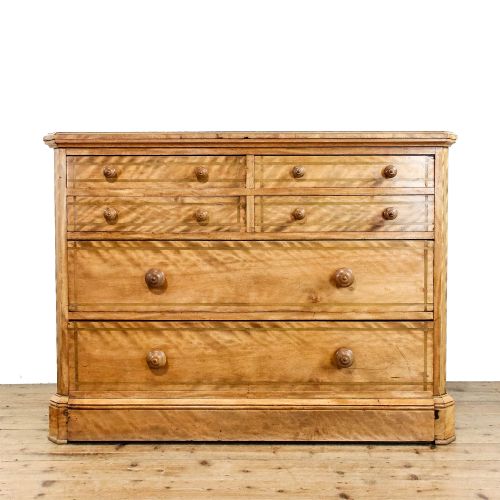
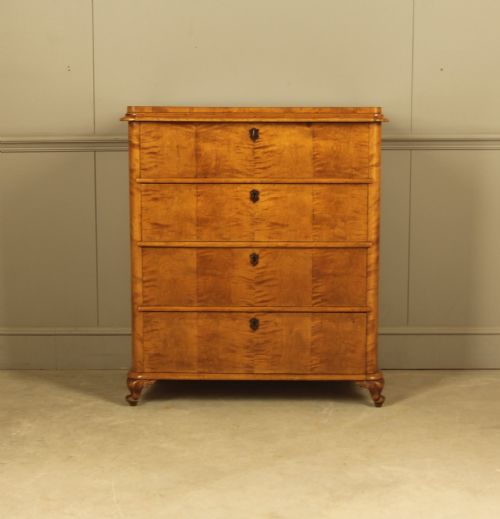
Buyers seeking a satinwood storage dresser encounter substantial case furniture designed to organise household items while displaying pale, figured timber surfaces. The selections span multiple eras, including Georgian, Regency, Victorian, and Edwardian periods.
The primary forms on this page take the shape of chests of drawers, tallboys, and commodes. These items function effectively in bedrooms and living spaces for clothing or linen storage.
Makers often combined satinwood with mahogany, walnut, or pine, applying crossbanding and line inlay. The aesthetic leans heavily toward Sheraton Revival styles and serpentine or bow front profiles.
Materials and construction methods
Cabinet makers utilised solid timbers alongside veneers, mounting figured satinwood and flame birch over secondary woods such as mahogany or pine. Brass hardware, including original handles and escutcheons, frequently completes the construction.
Inlay techniques defined the decorative approach, incorporating marquetry and contrasting line stringing to frame drawer fronts and tops. Craftsmen shaped carcases into bow front or serpentine profiles requiring precise timber bending and joining.
Even drawers need a bit of polish and care after centuries of holding secrets.
Distinguishing quality across examples
The distinction between standard and superior pieces rests on timber selection and the complexity of decorative inlay. Finely figured grain patterns and intricate marquetry indicate higher craftsmanship.
Structural integrity and the preservation of original surfaces also divide the range. Retaining period handles and clean drawer construction separates exemplary items from heavily altered examples.
HARRIS LEBUS of TOTTENHAM·Heal & Son
The Satinwood Storage Dresser Glossary
- Satinwood
- A hard, yellowish timber prized for its lustrous sheen and smooth texture, frequently utilised for decorative veneer.
- Crossbanding
- A border technique where veneer strips run perpendicular to the main grain, adding a neat framing effect.
- Serpentine
- A curved furniture front featuring a convex centre flanked by concave ends, requiring skilled carpentry.
- Tallboy
- A tall chest of drawers consisting of a double chest configuration, maximising vertical storage capacity.
- Marquetry
- The art of applying small pieces of veneer to form decorative patterns and pictorial designs on furniture surfaces.
Satinwood Storage Dresser: Frequently Asked Questions
What periods do these dressers date from?
The pieces span several centuries, with examples originating from the eighteenth, nineteenth, and early twentieth centuries. Georgian, Regency, Victorian, and Edwardian eras dominate the selection.
Design characteristics shift across these periods, moving from solid timber construction to elaborate Sheraton Revival inlay work and lighter Edwardian forms.
Where should I place a dresser in my home?
These storage pieces suit bedrooms, hallways, or living rooms, offering surface display space alongside deep drawer capacity. Their pale timber tones brighten darker corners.
Ensure placement avoids direct sunlight and excessive heat sources to protect the polished satinwood veneer and prevent timber splitting.
What is the difference between satinwood and satin birch?
Satinwood is a dense, yellow-hued timber known for its natural sheen, whereas satin birch refers to birch wood finished or selected for a comparable silky appearance.
Both materials were utilised by cabinet makers to achieve a bright, reflective surface, often accented with mahogany crossbanding or darker string inlay.