


Satinwood Inlaid Seat
A satinwood inlaid seat brings a crisp, pale warmth to a room through contrasting timbers and delicate stringing.
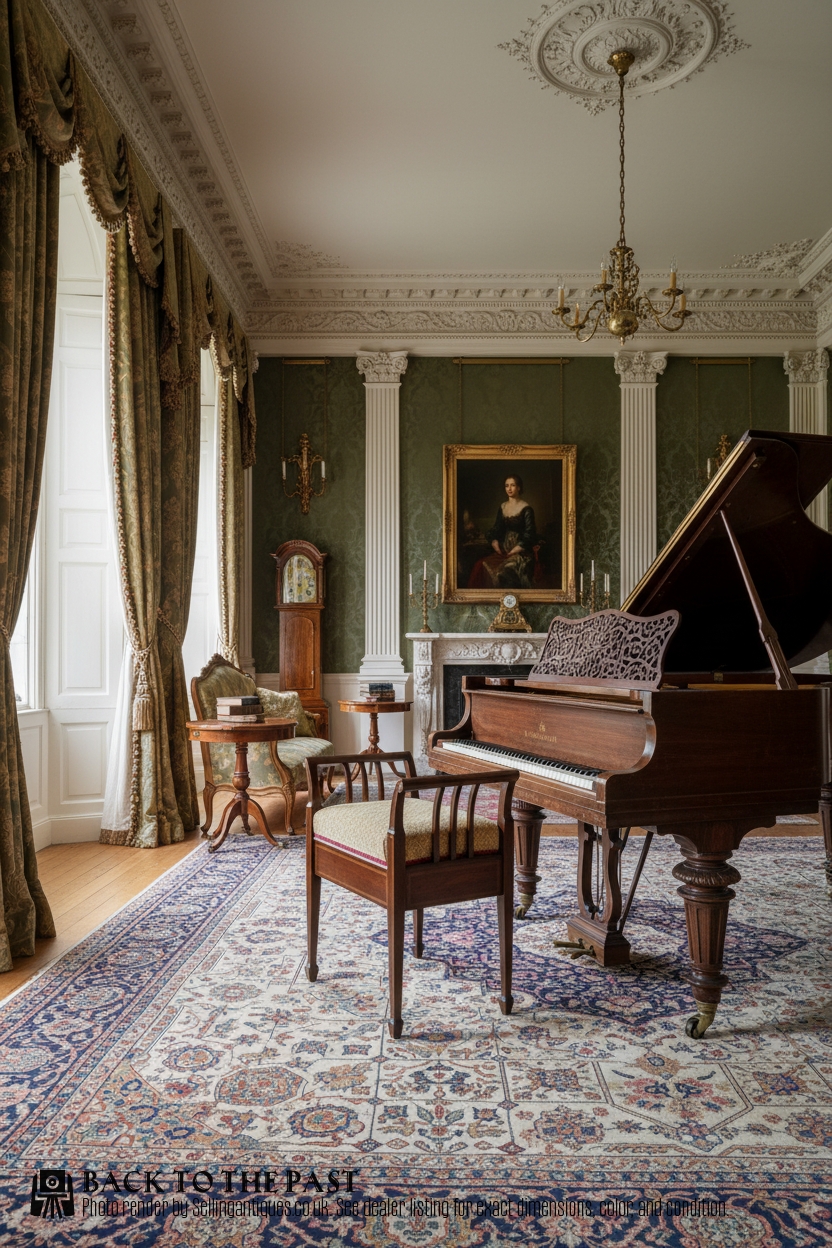
Satinwood Inlaid Seat
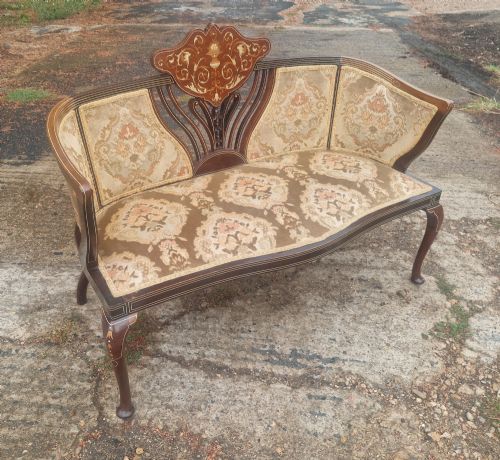
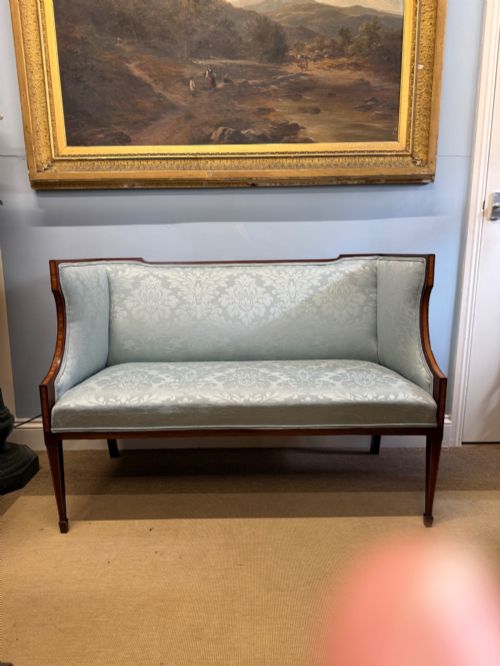
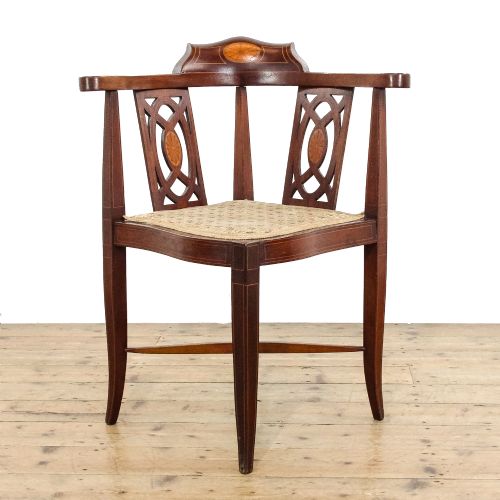
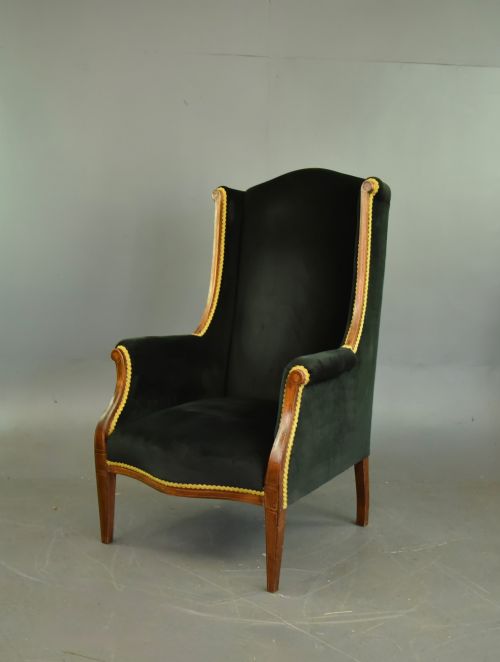
A satinwood inlaid seat encompasses everything from small salon chairs and piano stools to larger two-seater settees and end-of-bed sofas. These forms appear predominantly from the Edwardian period alongside earlier Georgian examples.
The version most commonly met on this page is the Edwardian mahogany armchair or settee featuring lighter satinwood details. These domestic furnishings were built for formal reception rooms and parlours where lighter woods suited the interior taste.
The selection extends to specialised forms like rocking chairs, swivel ships chairs, and nursing chairs. Each maintains the characteristic use of contrasting inlay work upon a darker primary timber frame.
How they were made
Makers constructed the primary frames of these seats using mahogany or walnut, providing a sturdy structural base for the lighter decorative veneers. Satinwood and brass feature prominently as contrasting elements applied across the rails and backsplats.
Upholstery techniques varied widely according to the intended use of the furniture, incorporating fabric, silk, velvet, and leather. Detail work often relied on string inlay and bone elements to articulate the geometric and classical motifs.
Listings span the Georgian and Edwardian periods, utilising mahogany, satinwood, fabric, velvet, brass, and leather across diverse seating forms.
What varies in quality
The refinement of the inlay work separates standard production from finer craftsmanship, particularly where delicate bone or multi-wood stringing is tightly fitted. Crispness in the carving of the mahogany frame and the choice of figured timber dictate the upper tier.
Upholstery materials and the preservation of the original show-wood finish influence the overall standing of each piece. Frames retaining their original leather, silk, or heavy fabric without structural alteration command greater interest.
Shoolbred
The Satinwood Inlaid Seat Glossary
- Satinwood inlay
- A decorative technique where small pieces of pale, glossy satinwood are inserted into recesses cut into a darker wood base. This creates flat, contrasting patterns and borders along the rails and splats.
- String inlay
- A narrow, linear band of contrasting wood embedded into the surface of the primary timber. It often outlines the edges of chair backs and seat rails.
- Salon chair
- A light, decorative seating form designed for formal reception rooms rather than heavy daily lounging. These pieces prioritise aesthetic grace and inlaid detail over robust scale.
- Piano stool
- A low adjustable or fixed seat designed for use at a keyboard instrument. They frequently incorporate upholstered tops above mahogany frames with inlaid decoration.
Satinwood Inlaid Seat: Frequently Asked Questions
Where should I place a satinwood inlaid seat?
These pieces suit drawing rooms, bedrooms, or hallways where their bright timber contrasts against darker walls.
Avoid placing them in direct sunlight to protect the lighter satinwood and delicate fabric upholstery from fading over time.
How do I care for the inlaid timber?
Dust the surfaces regularly with a soft, dry cloth to prevent dirt from settling into the fine gaps around the inlay.
Apply traditional beeswax sparingly to nourish the mahogany and satinwood without dulling the polished finish.
Are these chairs suitable for daily use?
Most salon chairs and decorative armchairs were built for lighter parlour activities rather than heavy, continuous seating.
Sturdier armchairs and dining chairs handle regular daily service well, provided the joints remain tight and secure.
How can I tell an Edwardian piece from a Georgian one?
Edwardian examples often feature lighter mahogany frames with extensive satinwood stringing and machine-influenced consistency in the decorative motifs.
Georgian pieces display denser timber construction with hand-cut joinery and simpler, heavier proportions.