


Satinwood Display Furniture
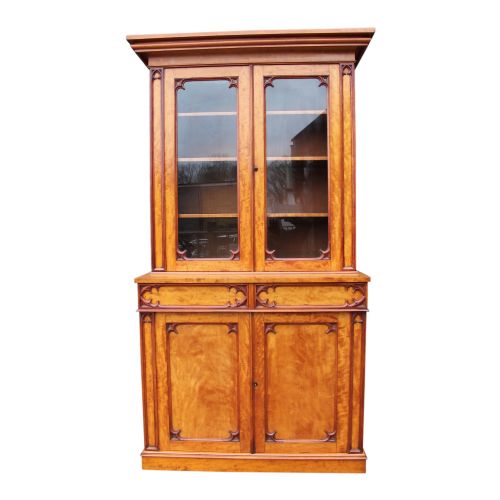
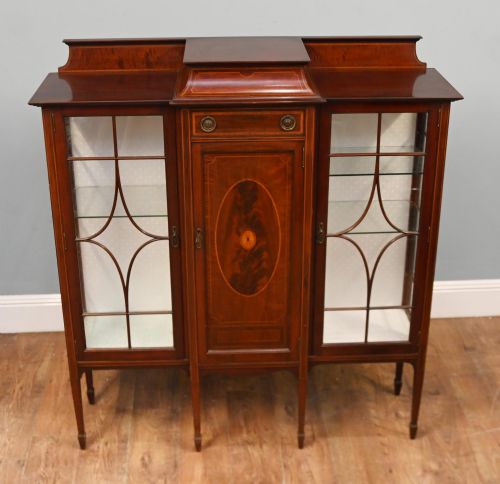
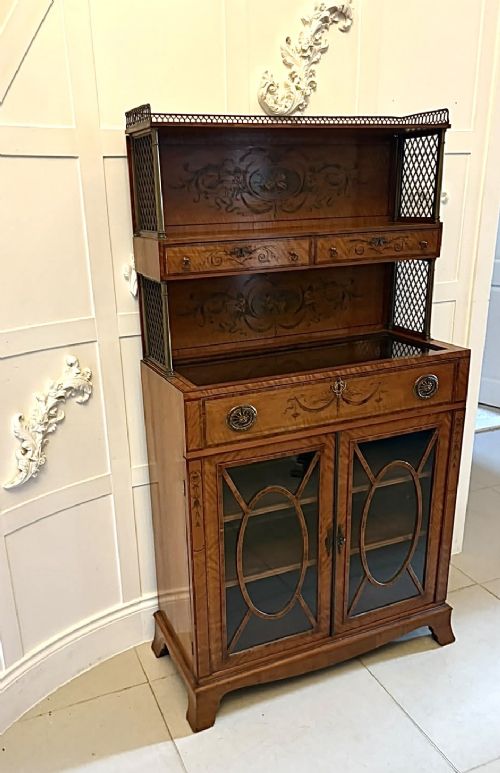
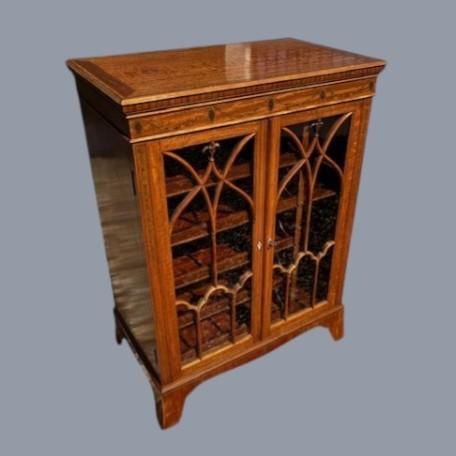
Satinwood display furniture brings light timber and refined glass fronts together to hold cherished items, chiefly seen in Edwardian and Victorian pieces.
Satinwood Display Furniture
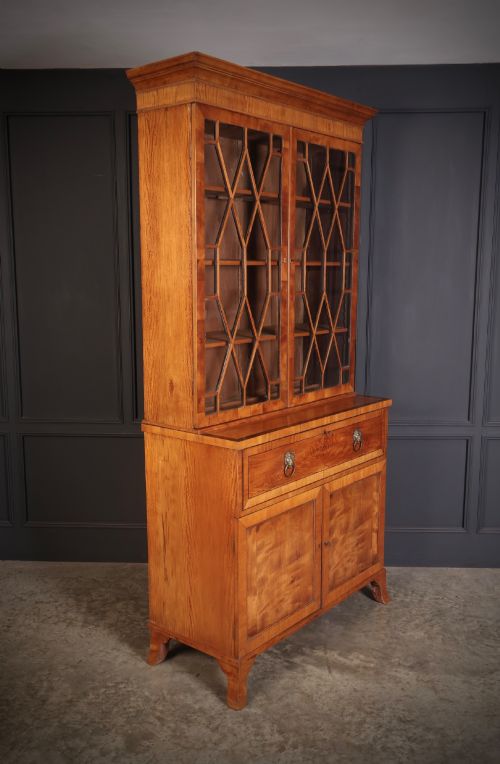
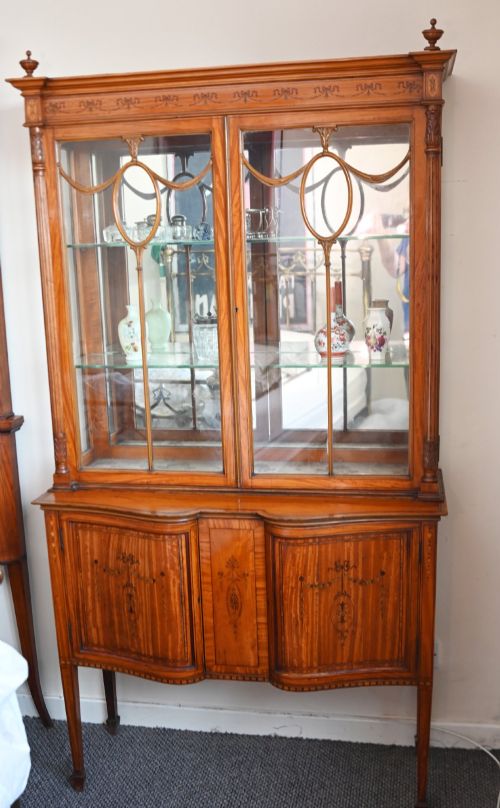
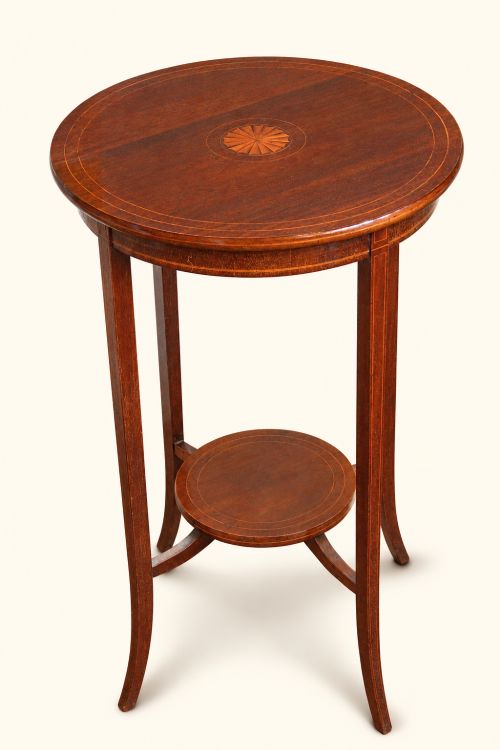
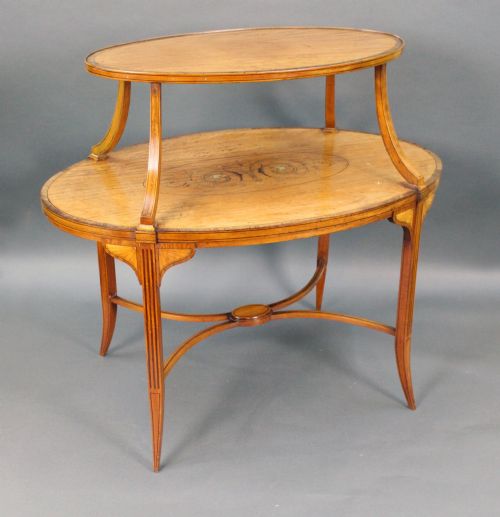
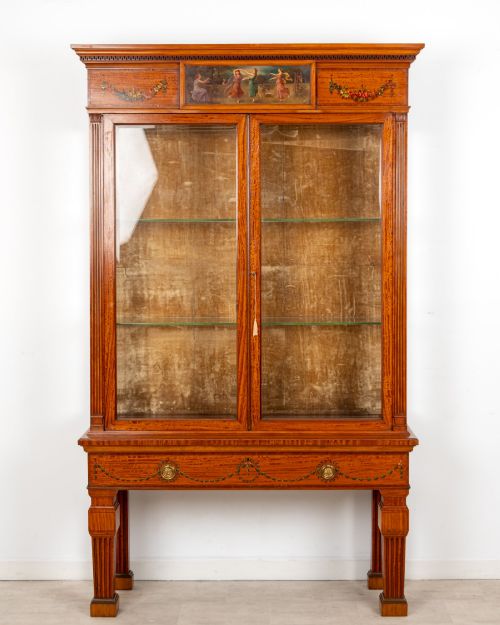
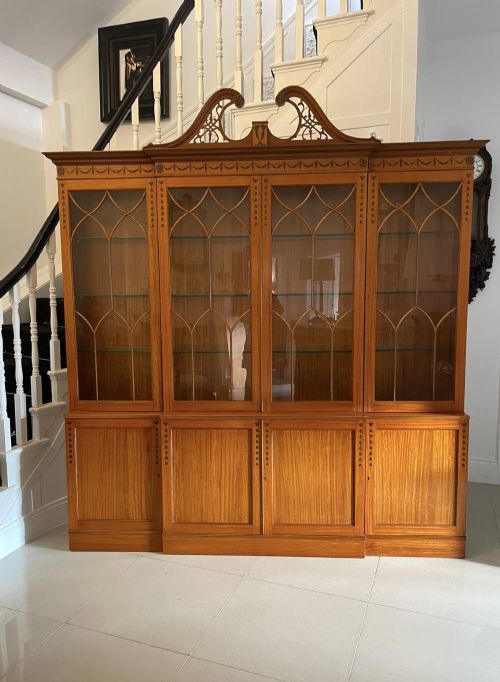
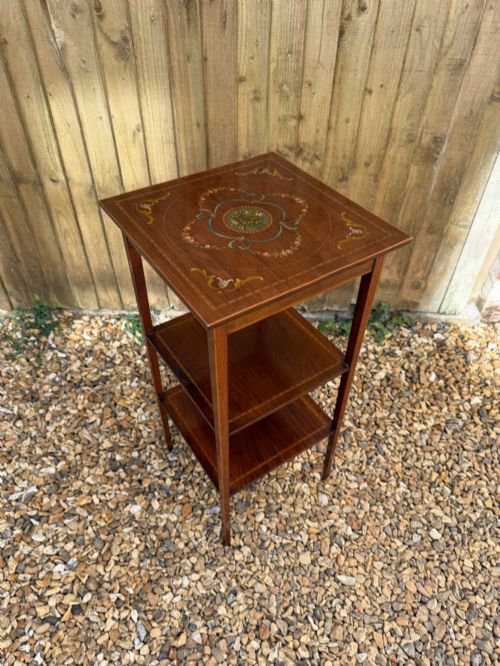
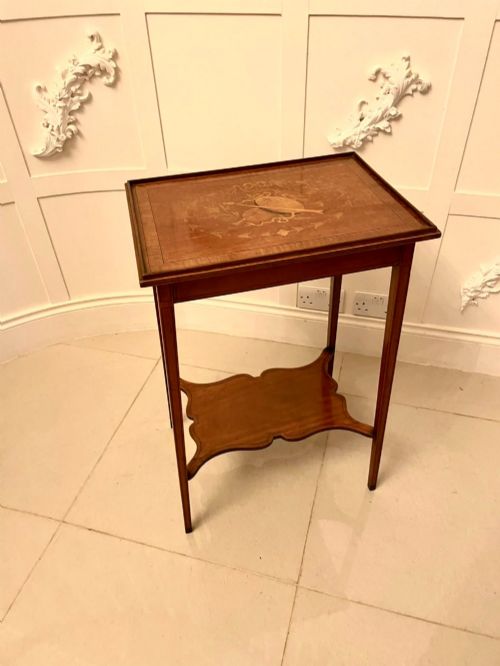
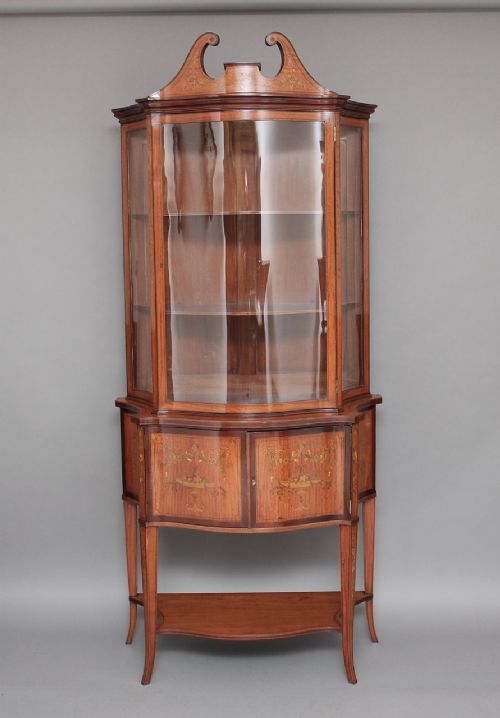
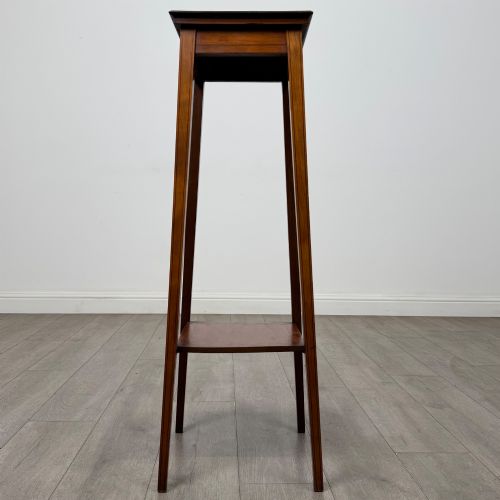
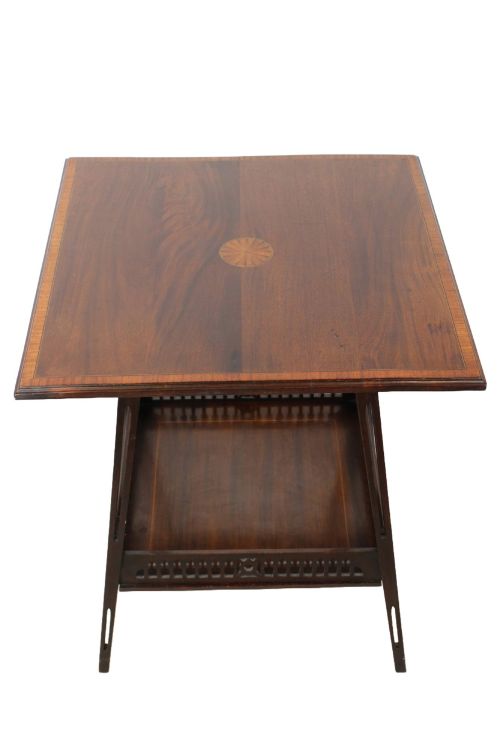
Satinwood display furniture covers glazed cabinets, vitrines, bookcases, and occasional tables designed to showcase objects inside domestic interiors. Buyers searching for satinwood display furniture meet many Edwardian Sheraton Revival pieces alongside late Victorian and Georgian examples.
Forms span large breakfront cabinets with painted decoration down to small collectors cabinets, demi-lune cabinets, and bow front vitrines. These items utilise glass panels and open shelving to exhibit ceramics, books, and smaller curiosities.
Materials and construction
Makers utilised satinwood veneers alongside solid mahogany, walnut, and rosewood foundations, applying marquetry inlay and painted motifs across the timber surfaces. Brass hardware and gilt-bronze mounts frequently secure doors and accent corners.
Glazing takes the form of astral bars or leaded panes fitted into display doors, while internal shelves rest on fixed or adjustable wooden supports within cabinets and bookcases.
Satinwood Display Furniture Retail Price Guide 2026
Typical asking prices for satinwood display furniture among the pieces listed under this phrase on Sellingantiques today, from the lower quarter to the upper quarter. They describe what is for sale here now, not the wider market.
A tiny Sevres plaque peers out from a small cabinet, reminding everyone that past owners enjoyed hiding miniature art behind locked glass.
Markers of distinction
Quality rests on the precision of the marquetry inlay, the crispness of any painted decoration, and the grain pattern chosen for the satinwood veneers. Finer items exhibit balanced proportions and hand-painted details rather than mass-produced transfers.
The choice of secondary timbers and the weight of the brass or gilt-bronze hardware separate standard utility pieces from high-workshop production.
Trevor Page & Co·Hampton & Sons·H. J. Hatfield & Sons·Mercier Frères·Maple & Co·Maison Giroux·James Hicks·Jewell of Holborn
The Satinwood Display Furniture Glossary
- Satinwood
- A hard, yellow-toned timber with a lustrous sheen, used extensively as a fine veneer on late eighteenth-century and Edwardian furniture.
- Vitrine
- A glass-fronted display cabinet intended for showing porcelain, silver, or small objects of vertu.
- Marquetry
- Decorative patterns formed by fitting contrasting veneers of wood, shell, or ivory into a primary timber ground.
- Astral glazed
- A glass door divided into panes by a network of thin wooden bars, common in bookcase and display cabinet design.
- Demi-lune
- A half-moon shape used for the footprint and top of side cabinets, commodes, and tables against walls.
Satinwood Display Furniture: Frequently Asked Questions
How do I clean satinwood surfaces?
Dust surfaces regularly with a soft, dry cloth to prevent accumulation. Avoid commercial polishes containing silicone, which can build up on delicate veneers and painted decoration.
Apply a microcrystalline wax sparingly once or twice a year if the timber feels dry. Buff gently with a clean cloth to maintain the natural sheen.
Where should I place a display cabinet?
Position cabinets away from direct sunlight to protect painted panels and satinwood veneers from fading. Keep furniture clear of radiators and damp exterior walls to prevent timber movement.
Ensure floors are level so doors hang straight and glass panels remain under no structural stress.
What is the difference between an Edwardian piece and a Georgian piece?
Georgian pieces date from the eighteenth and early nineteenth centuries, displaying proportions and timber selection characteristic of that era. Edwardian items often revive eighteenth-century styles around nineteen hundred, featuring lighter framing and painted satinwood decoration.
Construction methods and internal hardware typically provide clear clues to distinguish between the original period and later revivals.
Can I adjust the shelves inside these cabinets?
Many older display cabinets feature fixed wooden shelving integral to the interior carcass construction. Later Edwardian and Victorian examples sometimes incorporate adjustable rack-and-pinion or wooden support strips.
Check the interior supports before loading shelves with heavy porcelain or collections of books.