





Samson of Paris Figure
A samson of paris figure brings the playful spirit of eighteenth-century porcelain into the nineteenth century through skilled revivalism.
Samson of Paris Figure
A samson of paris figure replicates the historic styles of famous factories like Chelsea, Derby, and Meissen. These decorative pieces emerge from nineteenth-century France during periods such as the Victorian era and the 1850s to 1890s.
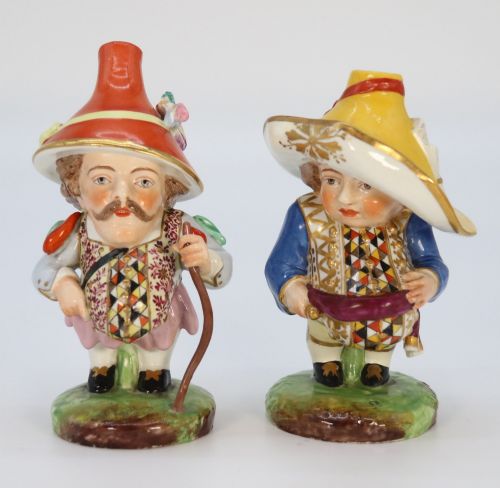
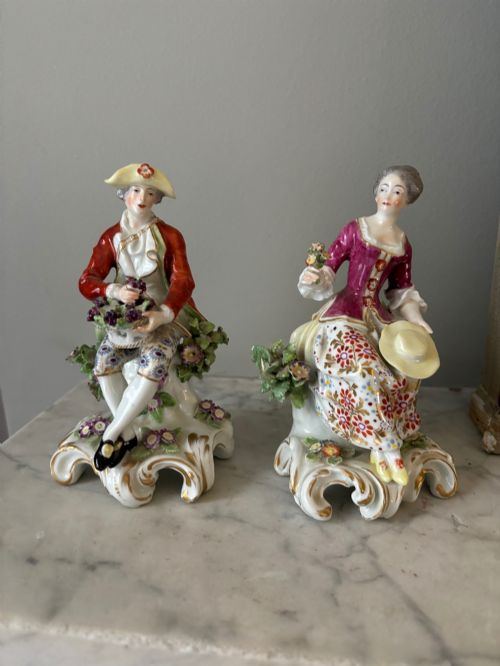
The objects take many forms, including pairs of dwarves, street vendors, allegorical figures of the seasons, and mythological subjects like Venus and Cupid. Buyers find these porcelain figurines shaped into theatrical actors, musicians, and shepherds with sheep.
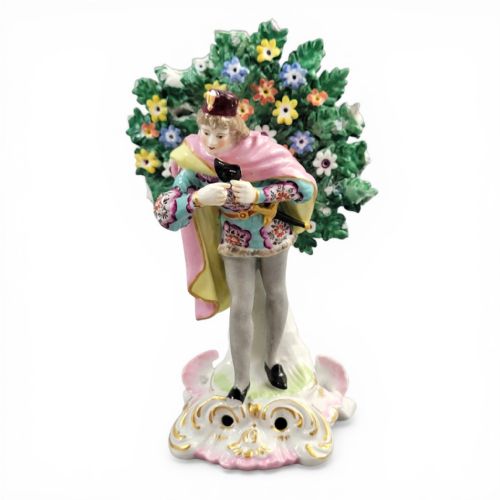
Makers at the Samson workshop deliberately adopted earlier tastes, producing Rococo Revival designs and intricate bocage settings adorned with foliage. Each piece reflects a nineteenth-century interpretation of earlier British and European ceramics.
How they were made
Gold leaf and enamel details are carefully added by hand, often accentuating anchor marks or gold anchor motifs reminiscent of earlier factories. The resulting ceramic surface combines durable hard-paste porcelain with delicate painted decoration.
Samson of Paris Figure Retail Price Guide 2026
Typical asking prices for samson of paris figure among the pieces listed under this phrase on Sellingantiques today, from the lower quarter to the upper quarter. They describe what is for sale here now, not the wider market.
Nineteenth-century Parisian artisans occasionally borrowed rival factory marks, ensuring their tribute pieces kept collectors guessing for generations.
What varies in quality
The nuance of the hand-painted polychrome enamel work separates standard decorative pieces from finer examples. Finer figures display precise brushwork on facial expressions and clothing patterns, whereas simpler versions rely on heavier, less detailed application.
The crispness of the modelling in complex settings, such as bocage backgrounds featuring leaves and branches, distinguishes the skill of the execution. Superior examples retain sharp relief and careful placement of gold leaf without stray marks.
Edme Samson
The Samson of Paris Figure Glossary
- Hard-Paste Porcelain
- A dense, vitrified ceramic material composed of kaolin and petuntse, fired at very high temperatures. This substance forms the robust structural body of nineteenth-century French revival figures.
- Polychrome Enamel
- A mixture of glass powders and metallic oxides used to paint multicoloured designs onto glazed porcelain before a secondary low firing. These vibrant pigments create the permanent surface hues on costumes and floral elements.
- Bocage
- An open background of applied ceramic leaves and branches wrapping around or behind a figural group. This technique imitates eighteenth-century Derby and Chelsea styles to frame the main subjects.
- Gold Leaf
- Extremely thin sheets of beaten gold applied to ceramic surfaces to highlight decorative borders and garments. The material provides a metallic sheen that enhances the ornamental appearance of the piece.
- Rococo Revival
- A nineteenth-century design movement characterised by asymmetrical scrollwork, naturalistic motifs, and flowing curves. This aesthetic heavily influences the bases and poses of Parisian ceramic figures from the period.
Samson of Paris Figure: Frequently Asked Questions
Are these figures genuine eighteenth-century pieces?
No, these works date from the nineteenth century, primarily produced between 1850 and 1890 by the Samson workshop in Paris.
They were created as deliberate tributes to earlier ceramic traditions rather than deceitful counterfeits, often carrying subtle marks of their actual origin.
How can I identify a Samson piece?
Look closely at the paste, the painting style, and any factory marks on the underside or base. While they mimic Chelsea or Derby styles, the nineteenth-century French porcelain body and enamel palette reveal their true manufacturing period.
Many examples bear specific Samson monogram marks or clever variations of historical factory symbols.
What subjects are most common?
Common subjects include allegorical representations of the seasons, theatrical actors with masks, street vendors, and mythological figures like Venus and Cupid. Shepherds, musicians, and novelty characters such as Mansion House dwarves also appear frequently.
These diverse forms allowed nineteenth-century buyers to collect miniature narratives inspired by earlier European ceramic art.
How do I care for porcelain figures?
Keep porcelain figures away from direct sunlight and areas subject to sudden temperature fluctuations to protect the enamel colours and gold leaf. Dust them gently with a soft, dry brush.
Avoid using water or chemical cleaners, as moisture can damage delicate applied elements like bocage leaves and hand-painted details.