




Samson Ceramic Vase
A samson ceramic vase brings elaborate historical imitation and fine hand-painted detail into a room.
Samson Ceramic Vase
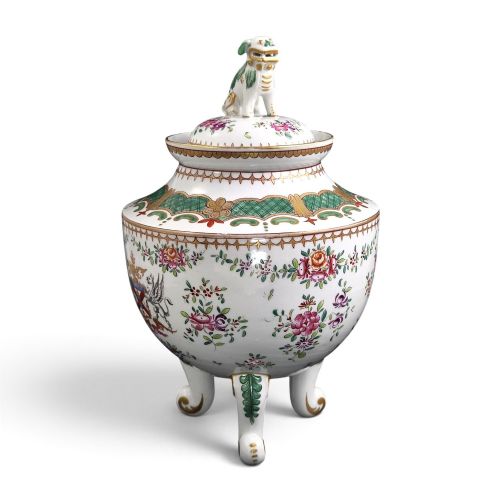
When you search for a samson ceramic vase, you examine nineteenth-century French porcelain created by the Samson workshop in Paris. These pieces replicate earlier ceramic traditions from diverse origins including Chinese export, Japanese Imari, and eighteenth-century European factories like Sèvres, Chelsea, and Meissen.
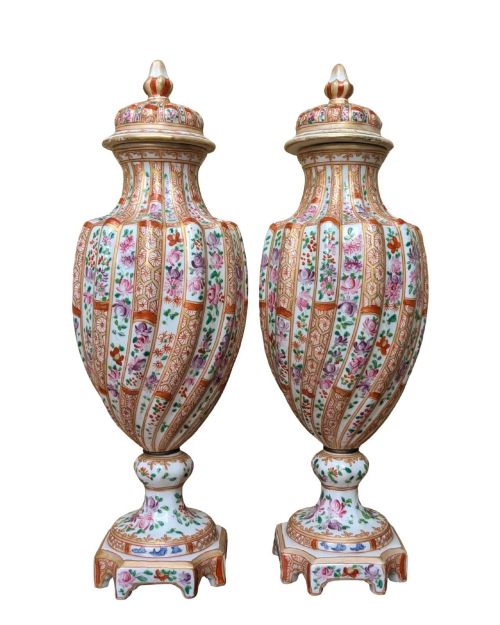
You are most likely to encounter lidded urns, campana shapes, and decorative vases dating from the Victorian era and the decades around eighteen-eighty. Many examples arrive as pairs, often featuring elaborate hand-painted decoration, armorial motifs, or exotic birds.
The workshop specialised in revivalist aesthetics, blending French Rococo Revival forms with Asian decorative styles such as Famille Rose and Chinoiserie. Some pieces also incorporate ormolu mounts, brass, or conversions into table lamps.
Materials and technique
The makers utilised hard-paste porcelain as the primary body, applying detailed hand-painted designs over the glaze. Artisans added raised white enamel, intricate gilding, and gold leaf to replicate the luxury of the original eighteenth-century artefacts.
Metal components such as ormolu and brass frequently appear as mounts, bases, or lamp fittings, fixed securely to the porcelain bodies. Certain items incorporate secondary materials like fabric for shades when converted into lighting.
Samson Ceramic Vase Retail Price Guide 2026
Typical asking prices for samson ceramic vase among the pieces listed under this phrase on Sellingantiques today, from the lower quarter to the upper quarter. They describe what is for sale here now, not the wider market.
Object forms on this page include campana shapes, lidded urns, and porcelain bodies mounted as table lamps.
What separates the best examples
The quality of a samson ceramic vase rests upon the precision of the hand-painting and the fidelity of the imitation. Superior pieces display crisp brushwork in the floral motifs, exotic birds, and armorial crests, whereas lesser examples show hurried application.
The application of gold leaf, gilding, and raised enamel also dictates the grade of the piece, with thicker, more tactile relief work marking the upper tier. Furthermore, the presence of original covers, matching pairs, and high-grade ormolu mounts elevates the standing of the object.
Samson of Paris·Edme Samson
The Samson Ceramic Vase Glossary
- Hard-Paste Porcelain
- A dense, durable ceramic material fired at high temperatures using kaolin and petuntse. It forms the solid white body of nineteenth-century French revival pieces.
- Famille Rose
- A palette of opaque rose-pink enamel colours used in Chinese ceramic decoration. Samson artisans adopted this style extensively for nineteenth-century decorative vases.
- Campana Vase
- A bell-shaped vessel with a flared rim, sweeping body, and footed base. This classical silhouette frequently appears in nineteenth-century French porcelain.
- Ormolu
- Gilded bronze used for decorative mounts and fittings. Workshops often paired this metalwork with porcelain vessels during the Victorian period.
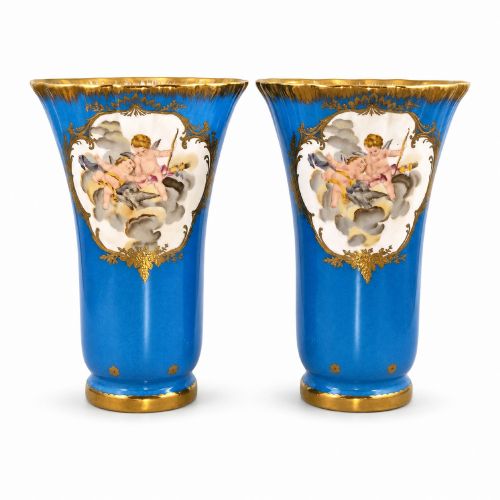
- Bleu Céleste
- A vibrant sky-blue enamel ground colour developed at Sèvres. Samson utilised this distinctive hue when copying eighteenth-century French porcelain.
Samson Ceramic Vase: Frequently Asked Questions
What is a samson ceramic vase?
A nineteenth-century European ceramic piece produced by the Samson factory in Paris. These objects imitate historical porcelain styles from famous earlier factories.
They serve as decorative vessels, lidded urns, or table lamps, bringing nineteenth-century French craftsmanship into a modern interior.
How do I date a samson ceramic vase?
Examine the style, materials, and painting techniques against nineteenth-century production records. Many pieces date from the Victorian era between eighteen-fifty and eighteen-ninety.
Look closely at the paste, the quality of the hand-painted enamel, and any ormolu mounts to help place the item within this period.
How should I display a samson ceramic vase?
Place sturdy vessels on stable surfaces away from high-traffic areas to protect fragile handles, lids, and ormolu mounts. Paired urns look striking when balanced on a mantelpiece or side table.
Keep porcelain away from direct sunlight to preserve the vibrancy of the hand-painted enamels and gold leaf.