



Sampson Mordan Sterling
Sampson Mordan sterling pieces are clever, beautifully engineered silver objects from the nineteenth and early twentieth centuries that collectors prize for their ingenuity.
Sampson Mordan Sterling
When you search for sampson mordan sterling, you encounter a specialised range of Victorian and Edwardian silver objects that combine utility with wit. The selection spans domestic accessories, personal items, and novelties designed to catch the eye.
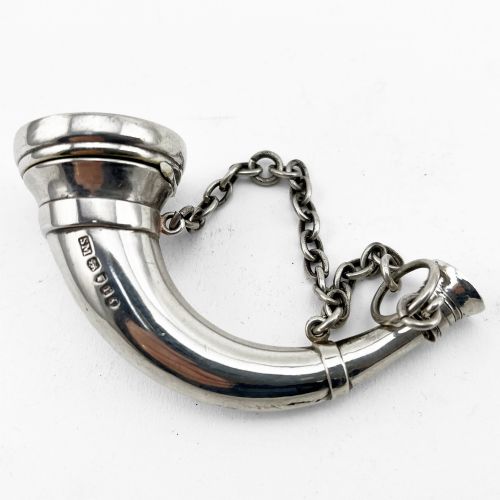
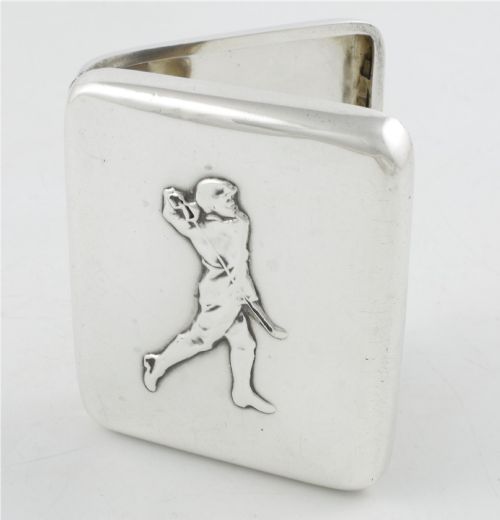
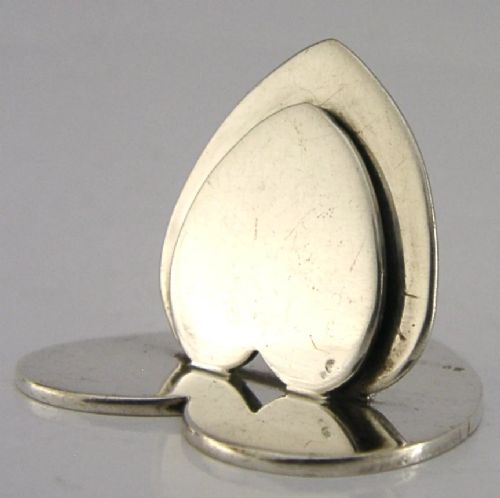
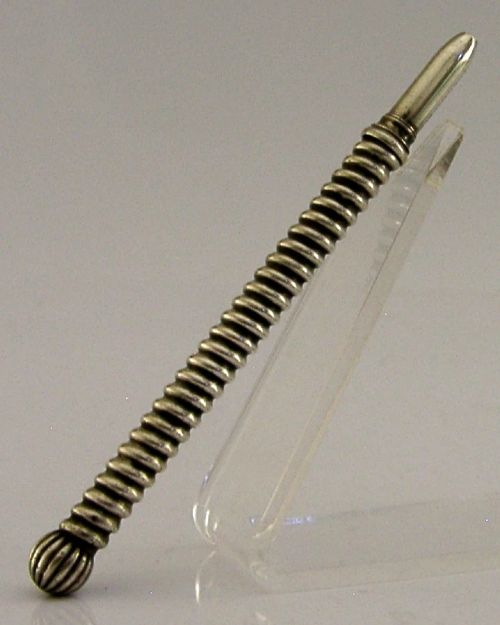
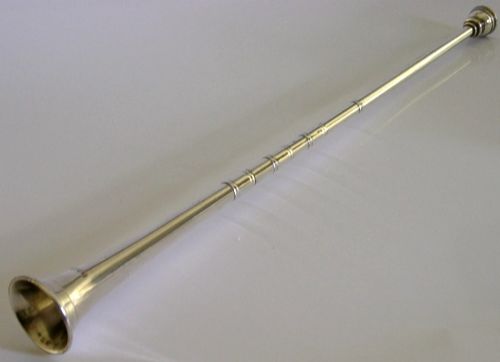
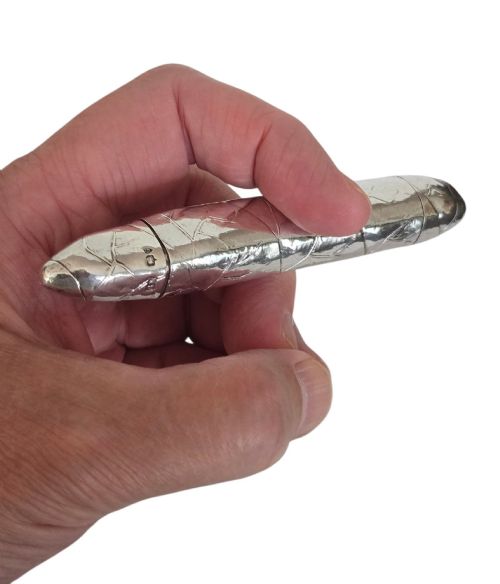
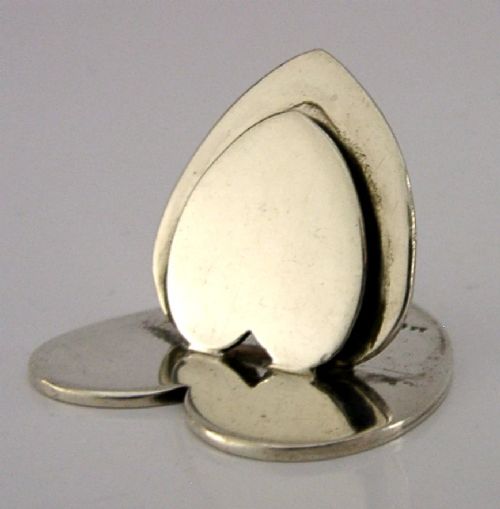
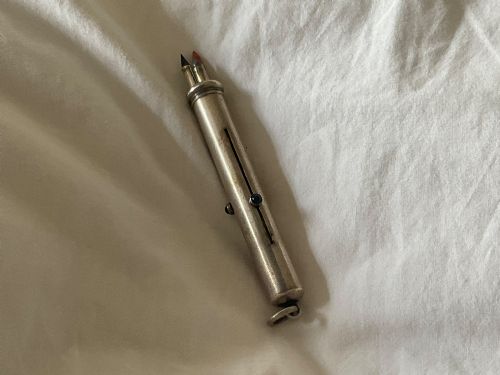
Writing instruments form a core part of the output, alongside table wares and novelty pieces. Surviving examples include propelling pencils, vesta cases, menu holders, salt and pepper pots, and desk seals shaped as animals.
The objects originate primarily from the Victorian and Edwardian periods, stretching from the middle of the nineteenth century into the 1920s. These pieces reflect the high standard of Victorian manufacturing and the playful design sensibility of the era.
How They Were Made
Makers utilised sterling silver as the primary medium, frequently enhancing pieces with glass, silver gilt, enamel, or sealing wax. The metalwork relies on precise casting, hammering, and assembly to create working mechanical elements.
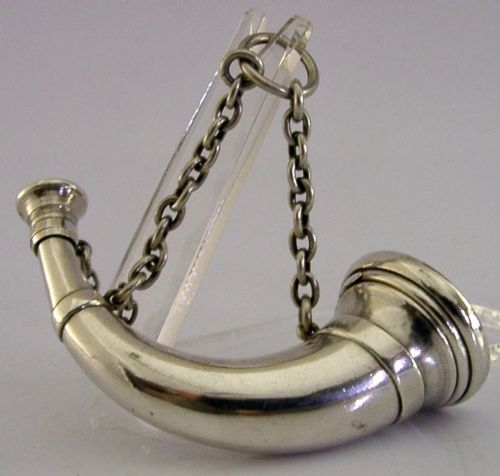
Many items incorporate complex moving parts, such as the mechanisms in propelling pencils, double-ended scent bottles, and novelty vesta cases. Enamel and multicoloured silver treatments add decorative detail to animal figures and novelty items.
Sampson Mordan Sterling Retail Price Guide 2026
Typical asking prices for sampson mordan sterling among the pieces listed under this phrase on Sellingantiques today, from the lower quarter to the upper quarter. They describe what is for sale here now, not the wider market.
Materials appearing across the inventory include sterling silver, glass, silver gilt, enamel, and sealing wax.
What Varies in Quality
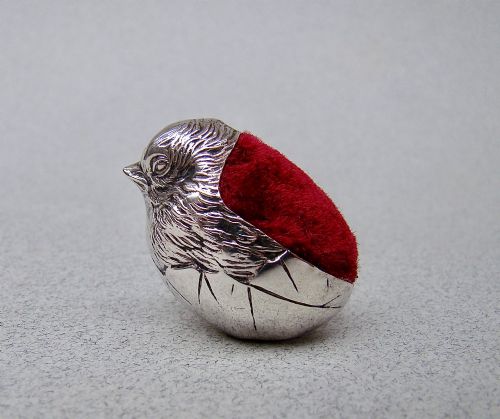
The standard of design and mechanical precision separates standard items from exceptional pieces. Novelty forms that require intricate modelling, such as chicks, ducks, and owls, demonstrate greater craftsmanship than plain utility items.
Condition and the survival of original components dictate the desirability of an object. Intricate mechanisms, crisp hallmarks, and undamaged enamel or glass elements distinguish the finest examples in this field.
Sampson Mordan and Co
The Sampson Mordan Sterling Glossary
- Sterling silver
- A silver alloy containing 92.5 percent pure silver and 7.5 percent other metals, usually copper, chosen for durability.
- Vesta case
- A small pocket box manufactured to hold matches, often featuring a striking strip on the base.
- Vinaigrette
- A small container holding a perforated grille, originally used to hold a sponge soaked in aromatic vinegar.
- Propelling pencil
- A mechanical pencil that advances the lead through a rotating or sliding mechanism within the barrel.
- Wax seal
- An object used to impress a design into melted sealing wax on correspondence or documents.
Sampson Mordan Sterling: Frequently Asked Questions
What did Sampson Mordan make?
Sampson Mordan produced a wide array of silver items, focusing heavily on writing instruments, novelty vesta cases, and desk accessories. Their workshop specialised in clever mechanical designs and humorous animal figures.
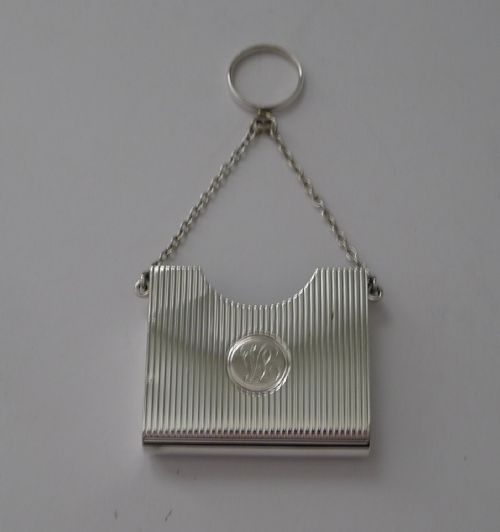
Items range from everyday writing tools to elaborate menu holders and chatelaine accessories. Many pieces incorporate functional elements like seals, pencils, or perfume compartments.
How do I date these pieces?
Dating relies on British hallmark stamps, which include date letters corresponding to specific assay offices such as London and Chester. Stylistic indicators and patent registration numbers also help establish the decade of manufacture.
Victorian and Edwardian pieces often bear maker marks alongside standard hallmarks that identify the exact year of production.
Are these items functional?
Many Sampson Mordan pieces retain their original mechanical function. Propelling pencils can still hold lead, and desk seals remain capable of impressing wax.
Collectors often treat them as cabinet pieces due to their age and delicate nature, though the engineering usually remains intact.