




Salesman Sample Cabinet
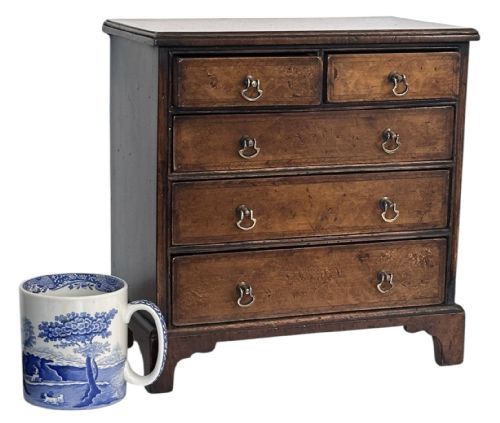
A salesman sample cabinet represents miniature furniture built by makers to test form, scale, and joinery before full-scale production.
Salesman Sample Cabinet
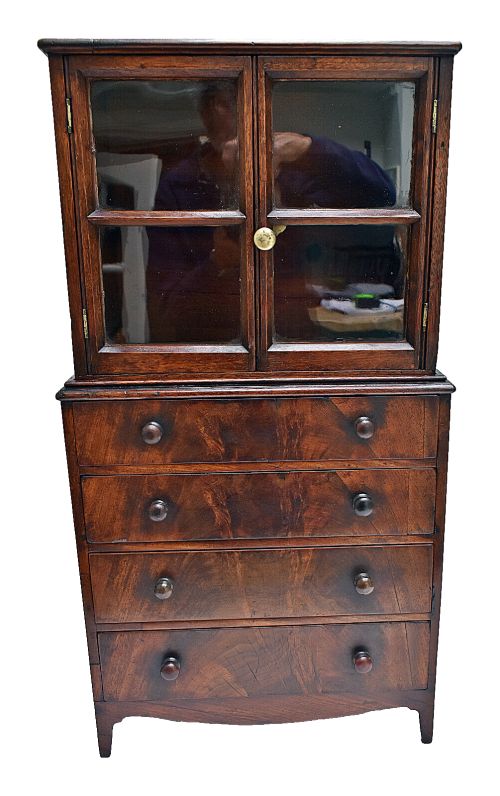
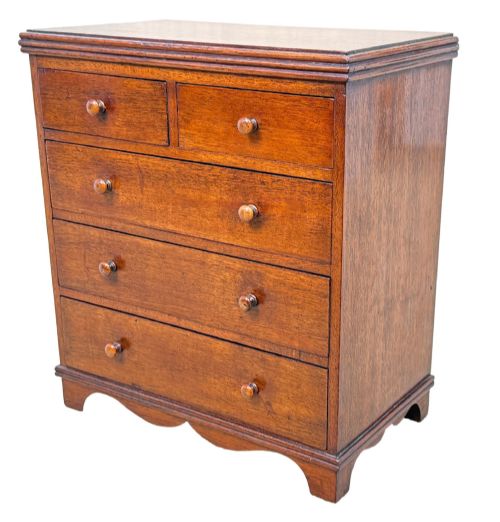
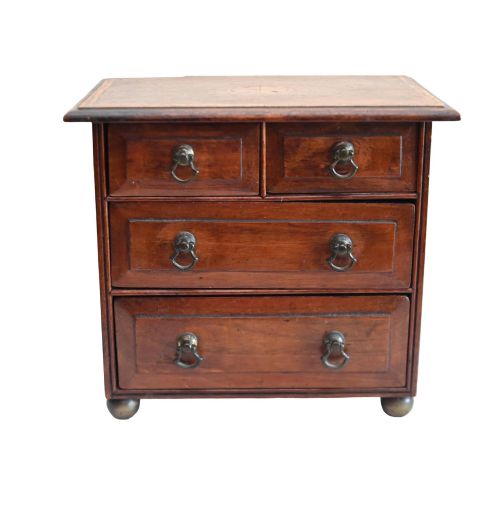
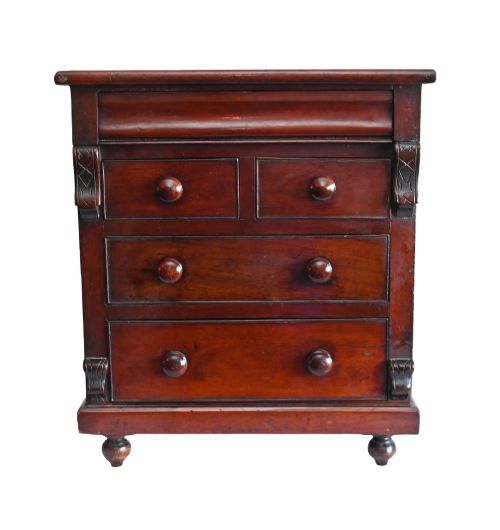
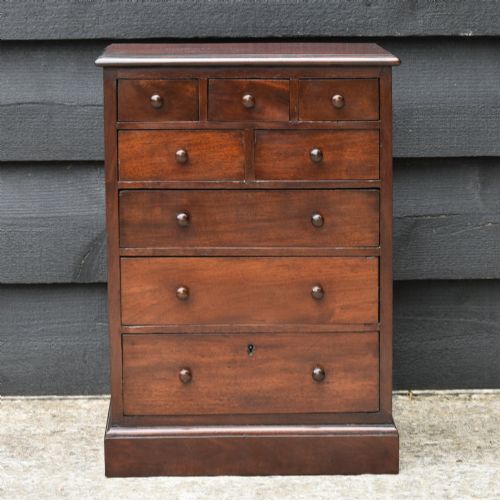
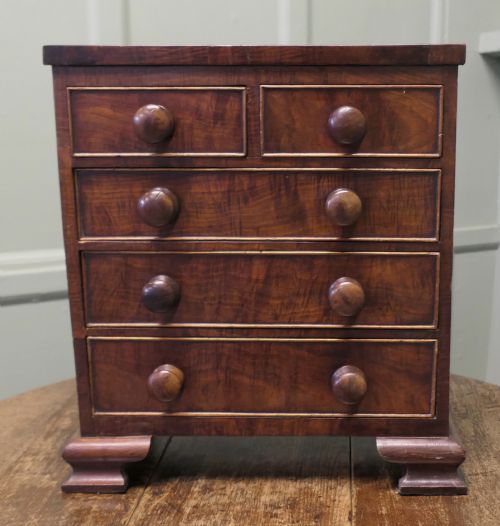
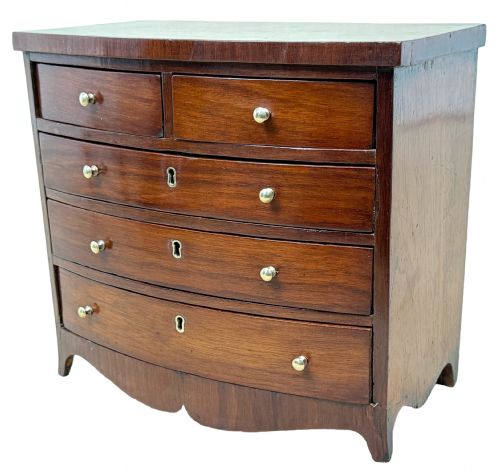
When you search for a salesman sample cabinet, you encounter miniature furniture often referred to as apprentice pieces or salesman samples. These small-scale pieces mirror the construction and proportions of full-size furniture found in domestic settings.
The selections span various centuries, stretching from the seventeenth century through the Georgian and Victorian periods up to the early twentieth century. Mahogany dominates the examples, alongside walnut, oak, pine, and exotic veneers such as kingwood and tulipwood.
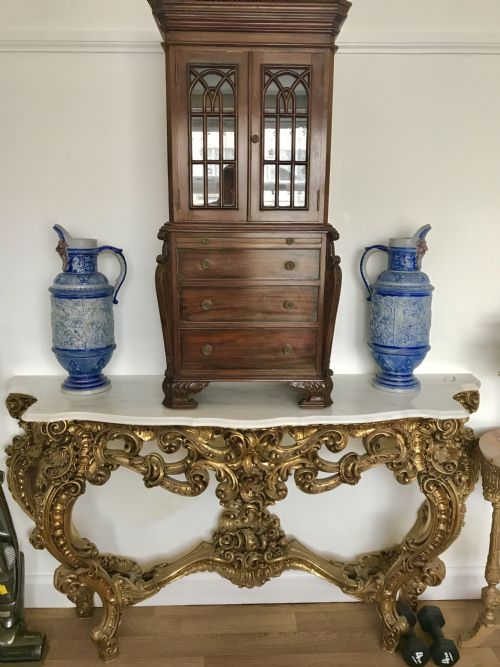
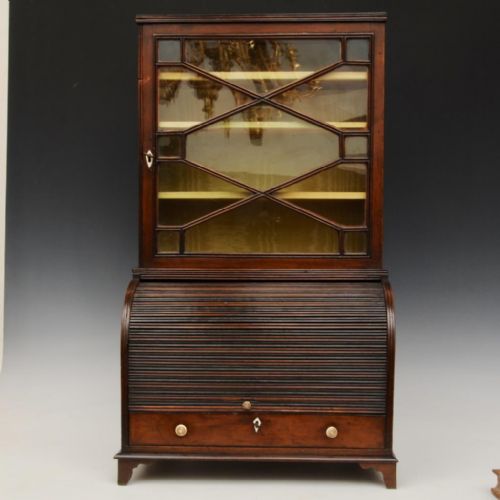
Miniature chests of drawers form the most frequent discovery on this page, accompanied by miniature bureau bookcases, dresser bases, kneehole desks, and sideboards. These portable items served as practical demonstrations for clients or skill tests for woodworkers.
How they were made
Makers constructed these cabinets using traditional hardwoods like mahogany, oak, and walnut, frequently incorporating secondary timbers and delicate veneers such as tulipwood. Glass panels appear in bookcase doors, while brass handles, escutcheons, and hinges provide functional hardware.
Joinery methods mirror those of standard domestic furniture, utilising dovetailed drawer construction and framed panels. Surface finishes include French polish and painted treatments, occasionally complemented by ebonised mouldings or bone details.
Salesman Sample Cabinet Retail Price Guide 2026
Typical asking prices for salesman sample cabinet among the pieces listed under this phrase on Sellingantiques today, from the lower quarter to the upper quarter. They describe what is for sale here now, not the wider market.
Listings feature items spanning four centuries, utilising mahogany, walnut, oak, and pine across styles from Georgian to Edwardian.
What varies in quality
The selection of timber and veneer further defines the standard, with burr walnut, figured mahogany, and kingwood elevating the visual presence. Superior pieces maintain crispness in their mouldings and dovetails, showing that the maker applied full-scale cabinet-making standards to a reduced size.
The Salesman Sample Cabinet Glossary
- Apprentice piece
- A cabinet made by a trainee woodworker to demonstrate mastery of joinery and furniture construction techniques to a guild or master.
- French polish
- A shellac finish applied in multiple thin layers using a rubbing pad, creating a high-gloss surface common on nineteenth-century mahogany furniture.
- Kneehole desk
- A compact desk featuring a central recess for the legs flanked by pedestals of small drawers.
- Secretaire cabinet
- A piece of furniture incorporating a pull-down writing flap that conceals small drawers and pigeonholes.
- Escutcheon
- A protective plate surrounding a keyhole, often made from brass or bone on these miniature pieces.
Salesman Sample Cabinet: Frequently Asked Questions
What is a salesman sample cabinet?
A salesman sample cabinet is a miniature version of a larger piece of furniture, historically used by makers to display designs to prospective buyers or by apprentices to prove their skills.
These pieces replicate the joinery, timber selection, and stylistic details of full-scale antiques in a portable format.
How old are these miniature cabinets?
The pieces span multiple centuries, with examples originating from the seventeenth, eighteenth, nineteenth, and early twentieth centuries.
Victorian and Georgian pieces are particularly common, reflecting the historical popularity of miniature furniture production.
What woods were used to make them?
Cabinetmakers utilised a range of timbers including mahogany, walnut, oak, and pine, often selecting woods that matched contemporary full-size furniture.
Finer examples incorporate decorative veneers such as kingwood and tulipwood, alongside brass hardware and bone accents.
Where were these miniature pieces made?
Origin points vary, with English, Scottish, and French examples appearing frequently across the selection.
Regional variations manifest in the specific furniture forms, such as Scottish apprentice chests or French painted dressers.