




Sailing Model Decor
Sailing model decor brings the spirit of the sea indoors, offering hand-built wooden vessels and detailed dioramas that capture maritime history.
Sailing Model Decor
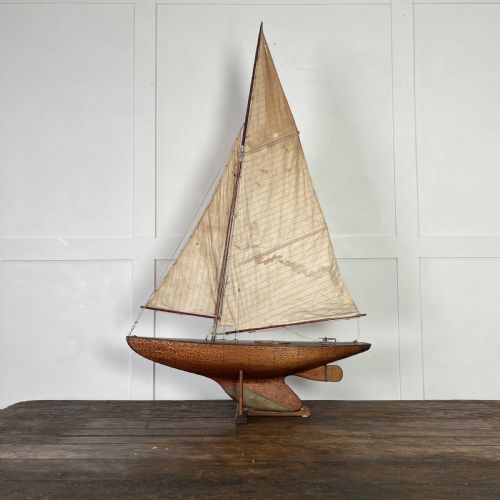
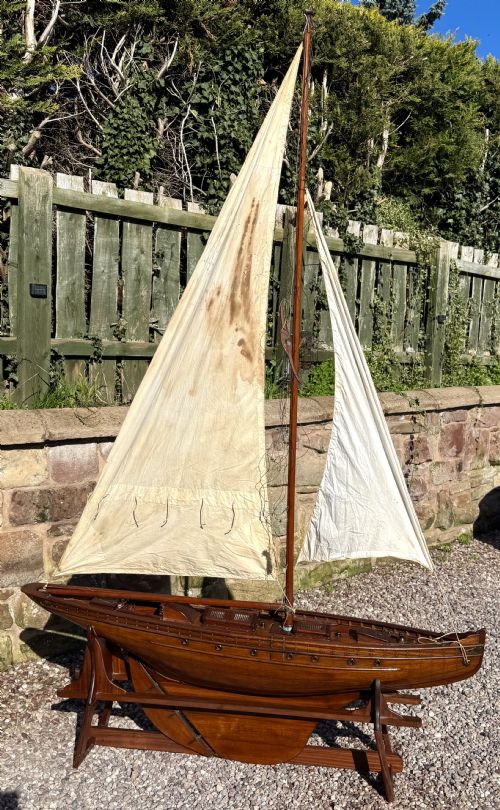
When you search for sailing model decor, you encounter hand-built pond yachts, intricate ships in bottles, and detailed shadow box dioramas. These decorative objects span the nineteenth and early twentieth centuries, reflecting the enduring appeal of maritime craftsmanship.
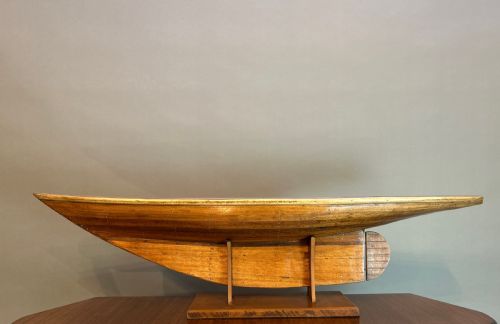
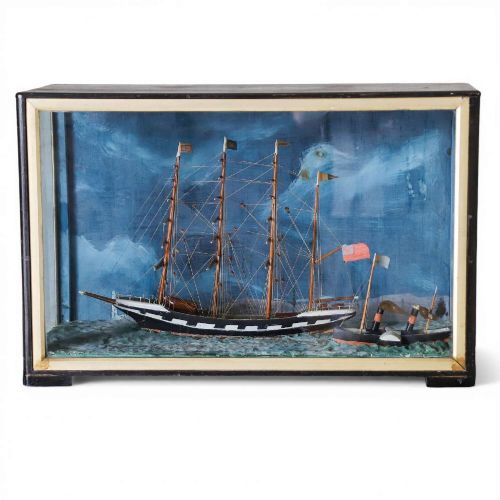
The most common forms on this page are large pond yachts and framed dioramas. These items originate from Victorian, Edwardian, and later periods up to nineteen thirty.
Folk art examples sit alongside scale training models, showing both amateur skill and precise nautical construction. Each piece brings a distinct sense of coastal history into an interior space.
How they were made
Makers utilised carved wood for hulls, often shaping carvel construction to mimic full-sized vessels. Rigging incorporates fine thread and metal fittings to support fabric canvas sails.
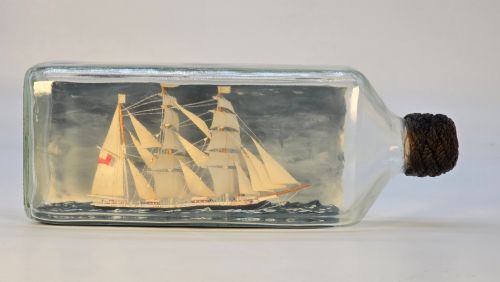
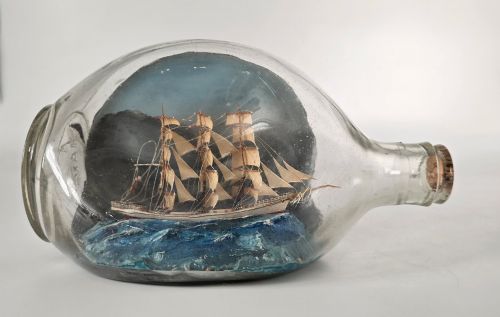
Glass containers house delicate bottle models, while plaster and paint build up coastal backgrounds within shadow box dioramas. Brass details and applied paint finishes complete the surface work across these maritime items.
Sailing Model Decor Retail Price Guide 2026
Typical asking prices for sailing model decor among the pieces listed under this phrase on Sellingantiques today, from the lower quarter to the upper quarter. They describe what is for sale here now, not the wider market.
What varies in quality
The sophistication of the rigging and the accuracy of the scale proportions distinguish simpler folk art interpretations from precise training models. Scratch-built examples display the individual maker's technical skill through joinery and hull shaping.
Preservation of original paint surfaces and intact glass or display frames also influence the character of each piece. Items retaining their original stands and uncompromised canvas sails hold a stronger visual presence.
The Sailing Model Decor Glossary
- Carvel hull
- A boat building method where planking edges sit flush against each other on a frame. This technique creates a smooth exterior surface on larger pond yachts.
- Diorama
- A three-dimensional scene enclosed in a box or case. Maritime examples use painted backgrounds and plaster waves to present model ships in motion.
- Pond yacht
- A free-sailing model boat designed to be sailed on park lakes. These large wooden toys often feature detailed deck fittings and weighted keels.
- Scratch-built
- A model constructed entirely from raw materials rather than from a commercial kit. This method relies on the maker's independent measurements and ingenuity.
Sailing Model Decor: Frequently Asked Questions
How do I display a large pond yacht?
Large pond yachts require sturdy shelving or a dedicated floor stand to support their considerable height and wooden weight. Placing them away from direct sunlight protects the original paint and canvas sails from fading.
Ensure the display room maintains stable humidity to prevent the old wood and fitted joints from drying out or splitting.
Are ships in bottles difficult to care for?
Ships in bottles require minimal maintenance because the glass container protects the delicate thread rigging and painted wooden hull from dust. Simply wipe the exterior glass gently with a soft cloth.
Avoid moving these fragile items frequently, as internal components can occasionally shift if the bottle receives a sharp knock.
What is folk art maritime decor?
Folk art maritime items are handmade decorative pieces created outside formal academic traditions by sailors, hobbyists, or local craftsmen. They use available materials like wood, glass, and scrap metal to interpret ships and coastal scenes.
These objects value expressive character and personal technique over strict naval architecture.
How can I tell the age of a model ship?
Dating relies on examining the materials, construction methods, and any recorded history associated with the specific vessel or maker. Nineteenth-century pieces often show distinct hand-forged metal fittings and aged patination on the wood.
Comparing the hull style and rigging to known training models or dated dioramas helps narrow down the period of origin.