





Sail Boat Artwork
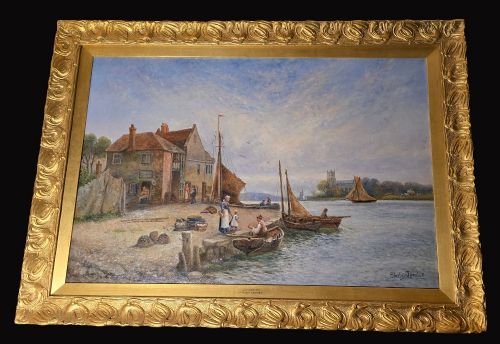
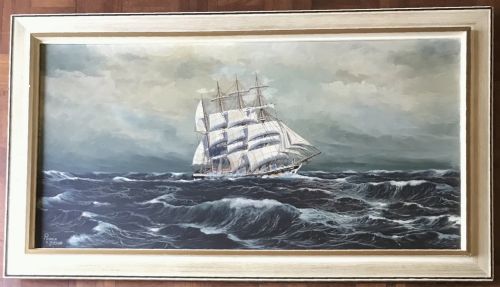
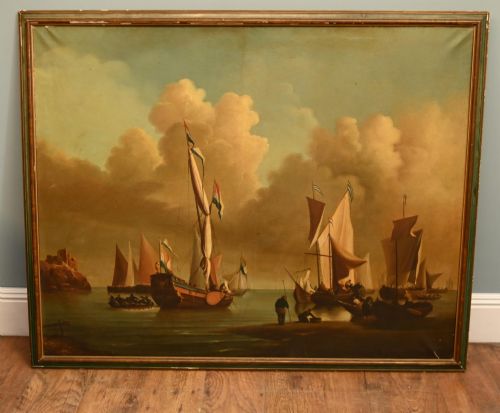
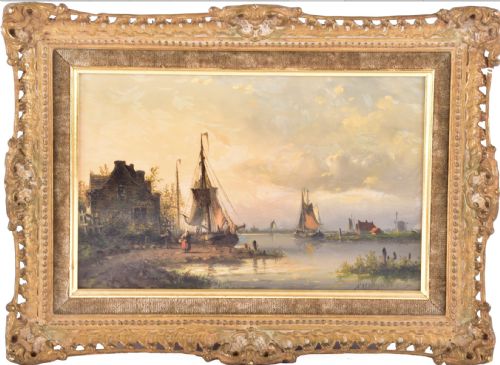
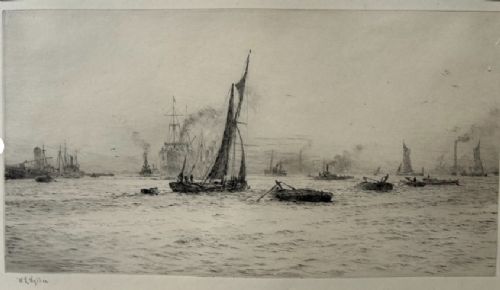
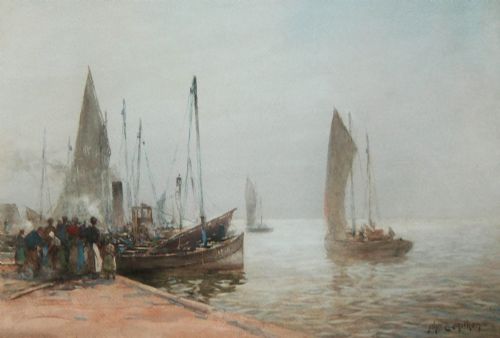
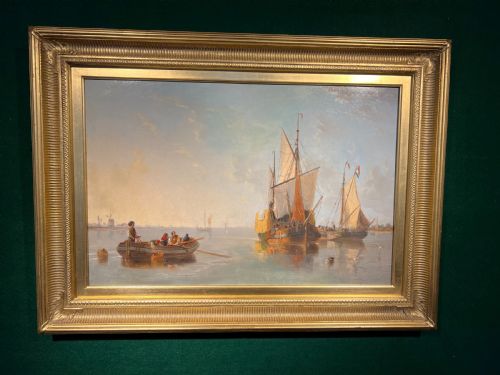
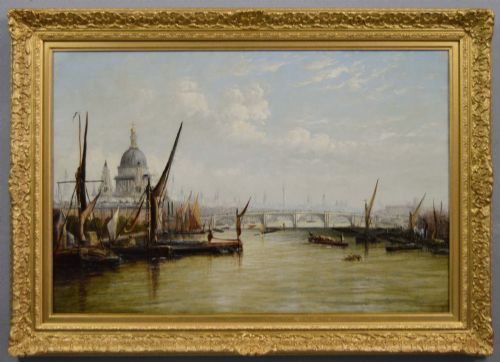
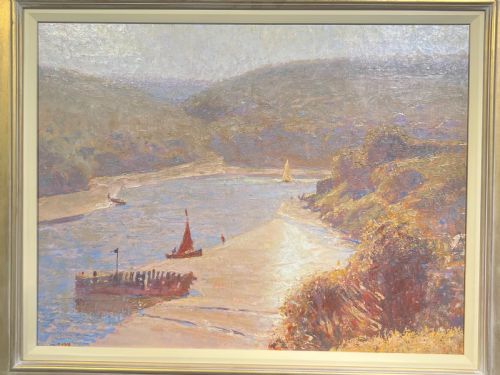
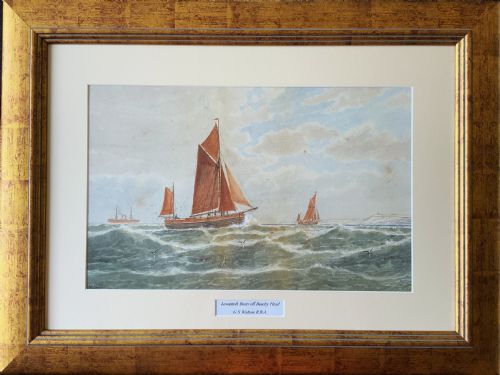
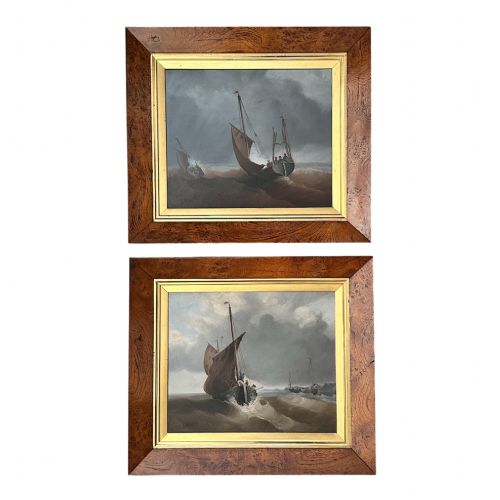
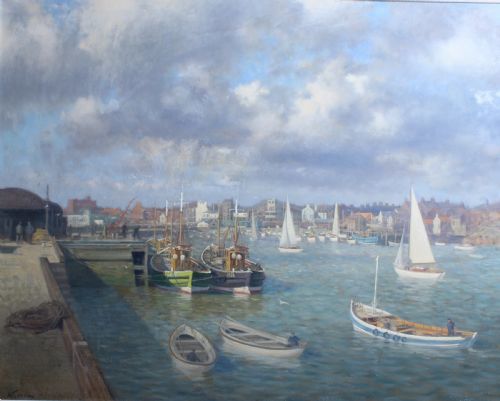
These sail boat artwork pieces capture maritime life across centuries of marine painting, offering a glimpse of historic vessels under canvas on the water.
Sail Boat Artwork
When you search for sail boat artwork, you encounter oil paintings, watercolours, and pencil-signed etchings depicting marine scenes, shipping vessels, and coastal harbours. The selection spans the Georgian and Victorian periods into the mid-twentieth century, recording maritime activity from British and European coasts.
You meet Victorian marine art most frequently, alongside Edwardian watercolours and mid-century oil paintings on canvas or board. These works range from calm harbour views to stormy seas with shipping vessels under full sail.
The subjects extend from local fishing boats off Whitby and the River Thames to Dutch coastal scenes and French open sea vistas. Framed artworks often retain period gilt wood surrounds that complement the maritime subject matter.
Materials and technique
Artists painted these works primarily in oil on canvas or board, and in watercolour on paper, applying pigments to capture the movement of water and light on canvas. Many pieces utilise traditional framing methods, often enclosed in gilt wood or carved frames that match the period of the painting.
Graphic works incorporate pencil-signed etchings and fine art prints on paper, demonstrating the detailed line work typical of maritime illustration. Support materials range from stretched canvas to heavy paper and wood boards, depending on the medium and the era of production.
Sail Boat Artwork Retail Price Guide 2026
Typical asking prices for sail boat artwork among the pieces listed under this phrase on Sellingantiques today, from the lower quarter to the upper quarter. They describe what is for sale here now, not the wider market.
Listings span the eighteenth century to the mid-twentieth century, using oil on canvas, watercolour, and pencil-signed etching.
What separates the work
Quality rests in the handling of light and sea conditions, where skilled painters render the transparency of water and the tension of rigging against stormy skies. The precision of vessel architecture and the atmospheric depth of the coastal background distinguish accomplished marine paintings from simpler topographical records.
The integration of the frame with the canvas, particularly in nineteenth-century gilt wood examples, contributes to the overall integrity of the piece. Works bearing signatures from recognised marine painters demonstrate a documented hand that elevates the visual record.
William Calcott Knell·Stanley Leader·Nicolaas Martinus Wijdoogen·Hans Harlander·James E Aitken·William Lionel Wyllie·Francis Moltino·John Wilson Carmichael·John Moore of Ipswich·William Matthison·Bernard Benedict Hemy·George Stanfield Walters·Walter Goodin·Abraham Hulk I·Elisabeth Bardon·Charles Napier Hemy·Thomas Bush Hardy·Adrian Van Porten·Edward Henry Eugene Fletcher·Fred Waugh·George Shaw·Edward Seago·Stephen J Renard·Frank H Mason
The Sail Boat Artwork Glossary
- Seascape
- A painting, drawing, or other work of art that depicts the sea. These works focus on marine subjects, coastal views, and shipping.
- Impasto
- A technique where paint is laid on an area of the surface in very thick layers. This method allows the texture of the brushstrokes to stand out visibly.
- Etchings
- Prints produced by scratching a design onto a metal plate coated with acid-resistant wax. Acid then bites into the exposed metal lines to hold ink for printing.
- Gilt Wood
- Wood that has been coated with a thin layer of gold leaf or gold paint. This finish is commonly found on antique frames surrounding oil paintings.
Sail Boat Artwork: Frequently Asked Questions
How do I identify the period of a marine painting?
Examine the style of the vessel rigging, the clothing of any figures on the shore, and the construction of the frame. Victorian works often feature heavy gilt wood surrounds and dramatic seas, while twentieth-century pieces adopt looser brushwork.
The materials also offer clues, as nineteenth-century works typically utilise specific canvas preparations and hand-carved frames that differ from later production methods.
What is the difference between an oil painting and a watercolour?
Oils are painted on canvas or wood board using pigment suspended in drying oil, allowing for thick impasto and deep colour blending. Watercolours use water-soluble pigments on paper, creating a more luminous and translucent effect.
Watercolour paintings usually require glass protection within their frames, whereas oil paintings on canvas remain open to the air.
How should I care for a framed antique oil painting?
Keep the artwork away from direct sunlight and sources of heat to prevent the canvas from drying out or cracking. Dust the surface and the gilt frame gently with a dry, soft cloth without applying cleaning liquids.
Maintain a stable room temperature to protect both the wooden stretcher bars and the painted surface from humidity changes.
Where were these maritime scenes usually painted?
Artists often worked directly on the coast, capturing busy commercial harbours, fishing ports like Whitby, and major waterways such as the River Thames. Many painters also travelled to Dutch and French ports to record foreign shipping and coastal life.
Studio finishing was common after initial field sketches and watercolours were completed on location.